



Introduction: Why SaaS Spend Management Matters More Than Ever
By 2026, SaaS will no longer be a supporting layer of business operations—it will be the operational backbone. Most organizations already rely on dozens, sometimes hundreds, of SaaS applications to run finance, sales, HR, IT, engineering, and customer success. This rapid expansion of cloud-based SaaS solutions has delivered flexibility, speed, and scalability, but it has also created a serious financial challenge: uncontrolled SaaS spending.
Unlike traditional software, SaaS is easy to buy, easy to forget, and surprisingly hard to manage at scale. Departments often purchase tools independently, employees keep licenses long after leaving, and renewal dates slip by unnoticed. The result is wasted budget, overlapping tools, and increased security and compliance risks.
That is why SaaS spend management tools have become a strategic necessity rather than an optional add-on. These platforms provide visibility into SaaS usage, automate renewals, track costs, identify waste, and help organizations optimize their cloud and SaaS investments.
Drawing on best practices from modern SaaS management platforms, insights from Binadox’s product documentation Binadox Tools, and proven SaaS distribution and governance principles How is SaaS Software Distributed, this guide explores the TOP-10 SaaS Spend Management Tools for 2026—with a deep look at what makes each solution valuable in a cloud-first world.
What to Look for in a SaaS Spend Management Tool in 2026
By 2026, SaaS spend management tools will no longer be simple subscription trackers. As SaaS stacks grow in size, complexity, and cost, organizations need platforms that go far beyond basic visibility. The best solutions combine financial control, operational governance, security awareness, and cloud cost management in a single system.
When evaluating a modern SaaS spend management platform, businesses should pay close attention to the following criteria.
1. Complete Visibility Across SaaS and Cloud Environments
Modern companies operate in hybrid ecosystems that include SaaS applications, public cloud infrastructure, and sometimes on-prem resources. A future-ready SaaS spend management tool must provide a single source of truth across all these environments.
This includes:
- Discovery of all SaaS applications in use, including shadow IT
- Consolidated spend data from invoices, corporate cards, and bank accounts
- Visibility into cloud providers such as AWS, Azure, and Google Cloud
- Unified dashboards that show SaaS and cloud costs side by side
Without full visibility, organizations risk making decisions based on incomplete or misleading data. Tools that only focus on SaaS subscriptions but ignore cloud infrastructure no longer meet the needs of cloud-first businesses.
2. Deep Usage Analytics, Not Just Cost Tracking
Knowing how much you pay for SaaS is only the first step. In 2026, the real value lies in understanding how SaaS products are actually used.
Advanced SaaS management platforms should provide:
- License-level usage tracking
- Identification of underutilized and unused licenses
- Detection of abandoned accounts (e.g., ex-employees still assigned licenses)
- Feature-level usage insights to identify overpaid plans
This level of analysis allows organizations to rightsize subscriptions, downgrade plans, or eliminate redundant tools altogether. Cost optimization without usage data almost always leads to missed savings.
3. Automated Renewal, Contract, and License Management
One of the most common sources of SaaS overspending is missed renewal dates. Auto-renewals quietly lock companies into contracts they no longer need.
A modern SaaS spend management tool should include:
- A centralized renewals calendar
- Automated alerts before renewal deadlines
- Contract visibility, including pricing terms and billing cycles
- License lifecycle management from onboarding to offboarding
By automating these processes, organizations gain negotiating power, avoid surprise charges, and ensure that SaaS spending aligns with real business needs.
4. Granular Cost Allocation and Financial Reporting
As SaaS adoption expands across departments, regions, and subsidiaries, cost allocation becomes critical—especially for finance teams.
Leading platforms should support:
- Cost allocation by team, department, project, or business unit
- Multi-currency support for global organizations
- Custom tagging and grouping for detailed financial analysis
- Exportable reports for budgeting, forecasting, and audits
This capability turns SaaS spend management into a strategic financial tool, enabling CFOs and finance leaders to connect SaaS investments directly to business outcomes.
5. Security, Compliance, and Access Awareness
Every unused SaaS account is not just wasted money—it’s a security risk. In 2026, SaaS spend management tools are increasingly expected to support SaaS security and governance.
Key features include:
- Visibility into user access and ownership
- Detection of inactive or orphaned accounts
- Support for least-privilege access models
- Integration with identity providers and SSO tools
By aligning spend management with security practices, organizations reduce compliance risks while simultaneously cutting unnecessary costs.
Why These Criteria Matter in 2026
As SaaS software continues to be distributed through cloud-based, subscription-driven models, organizations must actively manage sprawl, waste, and risk. The right SaaS spend management tool acts as a control layer over this distribution model—ensuring visibility, accountability, and optimization at scale.
Companies that invest in robust SaaS spend management platforms today will be better positioned to:
- Reduce operational waste
- Improve financial predictability
- Strengthen security posture
- Maximize value from their SaaS and cloud investments
Binadox
Best for: Companies seeking unified SaaS and cloud cost optimization
Strength: End-to-end visibility, automation, and actionable insights
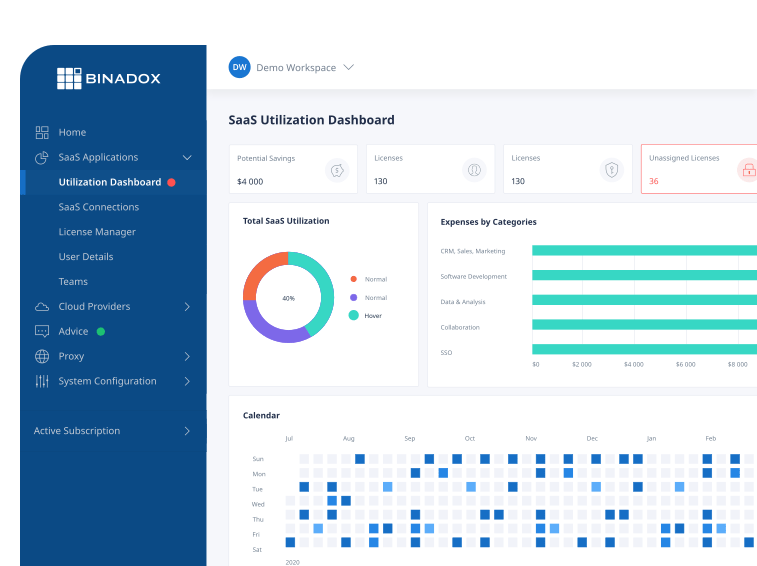
Binadox stands out as one of the most comprehensive SaaS and cloud spend management tools available today. Unlike platforms that focus solely on SaaS subscriptions, Binadox combines SaaS management, cloud cost optimization, and license governance into a single solution.
Key Capabilities
- Centralized tracking of SaaS apps and cloud providers (AWS, Azure, GCP, DigitalOcean)
- Automated SaaS invoice tracking across corporate cards and bank accounts
- License Manager with underutilized and abandoned license detection
- Renewals Calendar to prevent surprise renewals
- Multi-currency cost aggregation and reporting
- Teams, tags, and cost allocation for granular spend analysis
- Optimization recommendations for both SaaS and cloud resources
According to Binadox’s platform overview Demo, organizations using the platform typically reduce SaaS and cloud waste by up to 30%, largely by eliminating unused licenses and improving visibility.
Binadox is especially valuable for companies with complex SaaS stacks, global operations, and growing cloud infrastructure. Its unified approach aligns perfectly with modern cloud and SaaS governance strategies.
Zylo
Best for: Large enterprises with SaaS sprawl
Ideal for: Organizations with decentralized SaaS procurement
Zylo focuses on SaaS discovery and portfolio visibility at enterprise scale. Its core strength lies in identifying all SaaS applications in use across the organization, including shadow IT and department-level purchases that often bypass IT and finance teams.
By integrating with financial systems, SSO providers, and expense tools, Zylo builds a comprehensive inventory of SaaS vendors, contracts, and renewal dates. This allows enterprises to regain control over fragmented SaaS environments.
Key features include:
- Automated SaaS discovery
- Vendor-level spend analysis
- Contract and renewal management
- Insights for SaaS consolidation and vendor rationalization
Zylo excels at answering the question “What SaaS tools are we paying for?”, but offers more limited functionality for deep usage optimization and cloud cost management.cloud cost management capabilities are limited compared to platforms like Binadox.

Zluri
Best for: Security-focused organizations
Ideal for: Regulated industries and compliance-driven environments
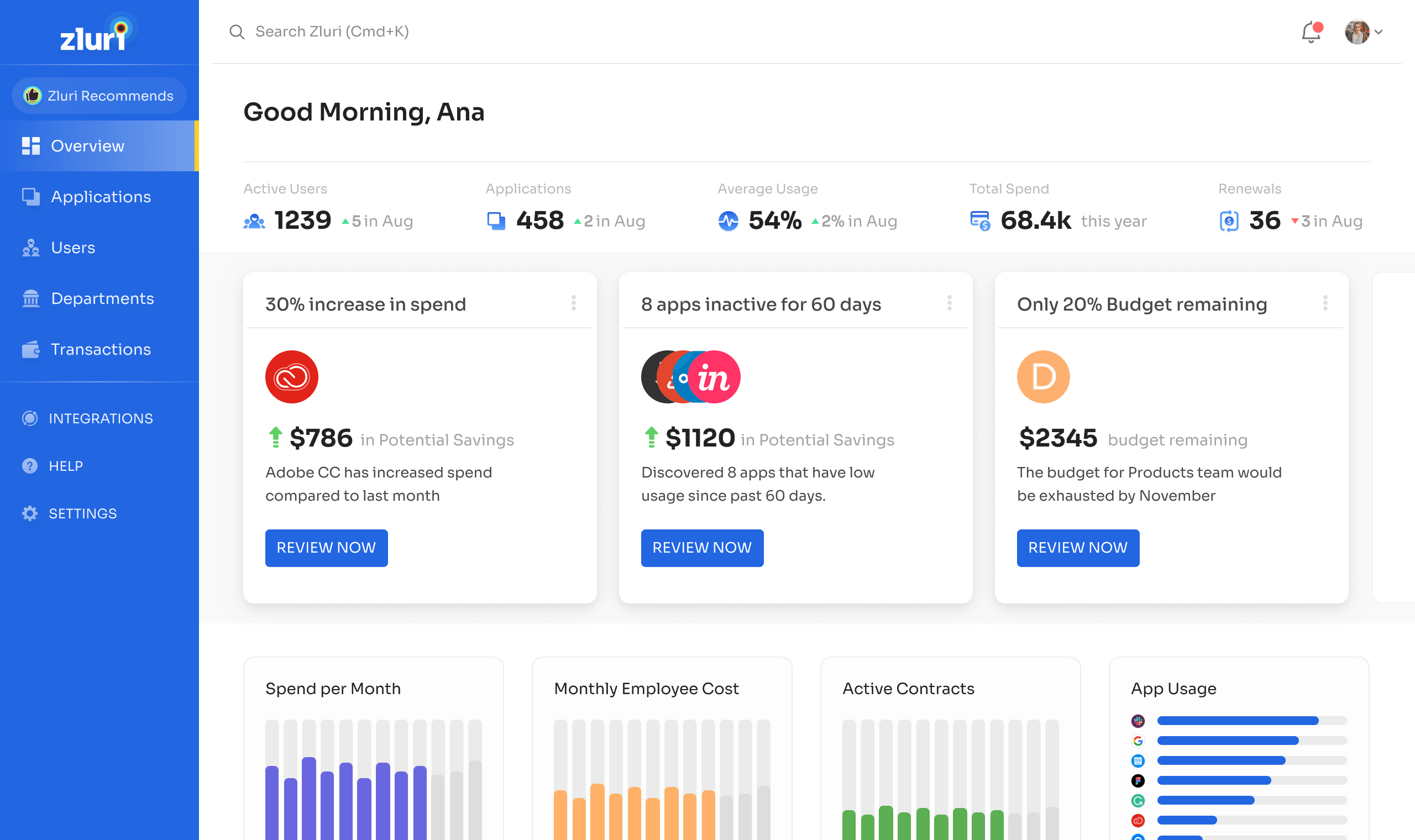
Zluri combines SaaS spend management with SaaS security posture management, making it a strong choice for organizations where governance and compliance are top priorities.
The platform provides detailed visibility into who has access to which SaaS applications, helping IT teams reduce the risks associated with unmanaged accounts and excessive permissions.
Key capabilities include:
- SaaS discovery via SSO and financial data
- User access and permission mapping
- Detection of inactive and orphaned accounts
- License and cost optimization insights
Zluri is particularly suitable for companies that prioritize security, compliance, and access control alongside cost management.
Corma
Best for: IT and finance teams managing SaaS sprawl and license optimization
Ideal for: Fast-growing companies and mid-size teams (50-3000 users) seeking automation and real-time SaaS governance
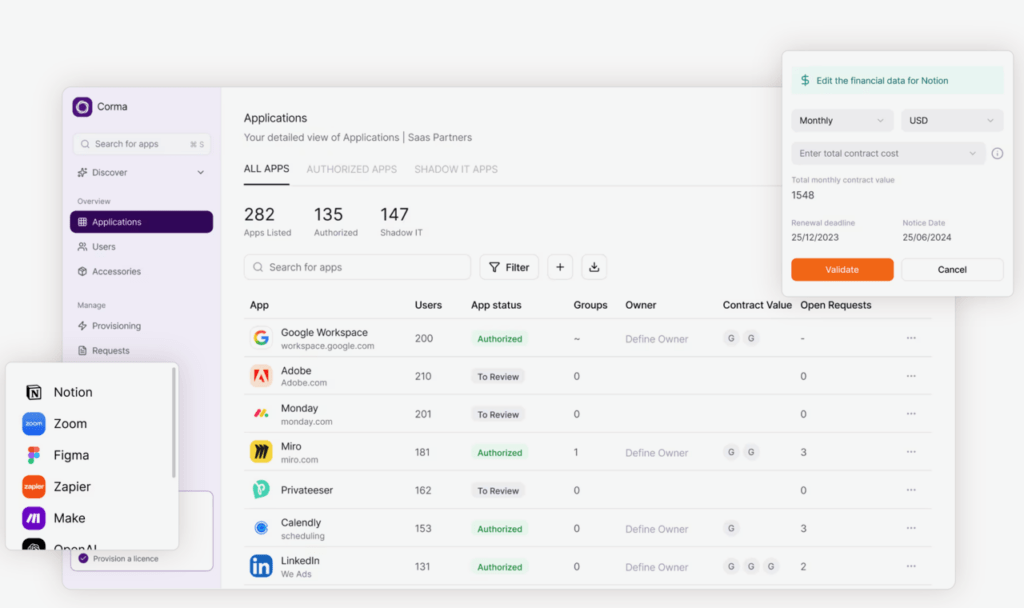
Corma is a modern SaaS spend management platform designed to help organizations regain control over SaaS subscriptions, licenses, and usage. It excels at detecting shadow IT, automating license management, and providing actionable insights to reduce waste and improve security.
Key features include:
- Automated app discovery via browser extensions, SSO, and API integrations
- License and usage analytics to identify inactive or underutilized accounts
- Self-service employee app store for streamlined access requests and approvals
- Automated onboarding/offboarding to eliminate orphaned licenses
- Shadow IT detection and alerts for unapproved SaaS tools
- Integration with identity providers for security and compliance
Corma is a strong option for teams looking to optimize SaaS spend, automate governance, and reduce manual overhead especially in sclaing or mid-size environments.
BetterCloud
Best for: Mid-market and enterprise teams prioritizing security & governance
Ideal for: Organizations needing automation of workflows, security, and spend tracking
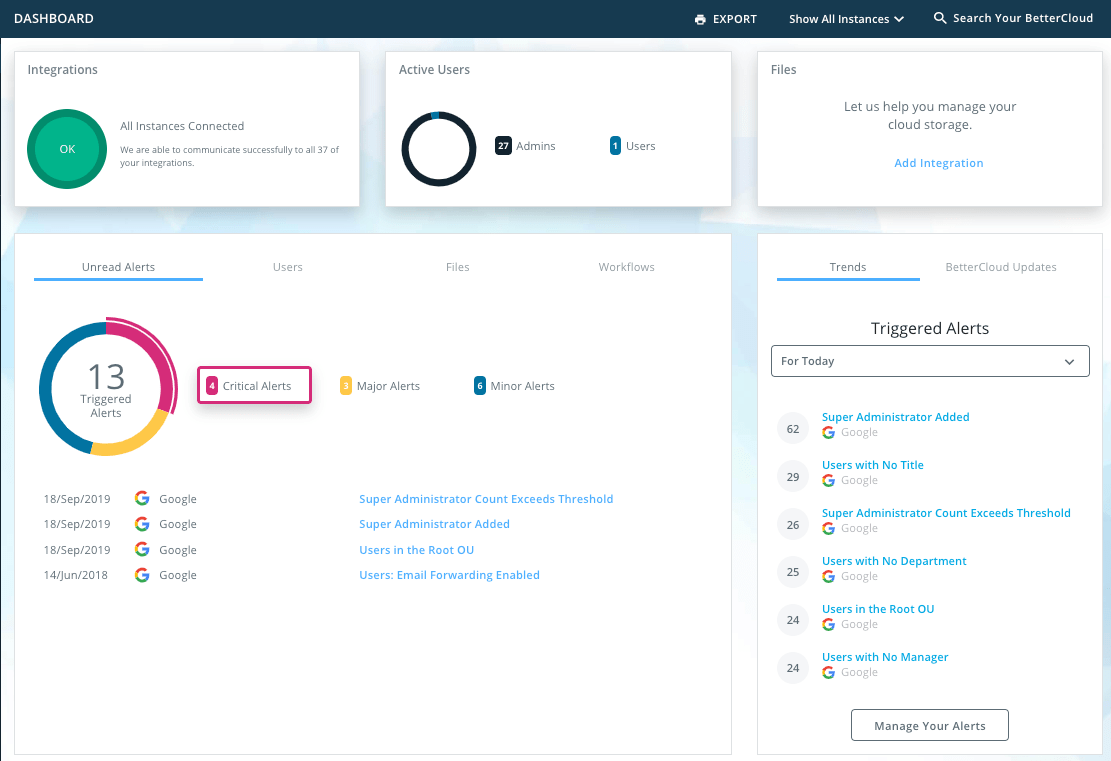
BetterCloud is a widely recognized SaaS management platform that provides centralized visibility into SaaS applications, usage, security posture, and spend insights. Review sources consistently list BetterCloud among top SaaS management options, highlighting its balance of automation, cost control, and governance features.
Key Capabilities:
- Automated workflows for SaaS onboarding, offboarding, and provisioning
- Centralized SaaS app inventory with usage and spend analytics
- Security and policy automation to enforce compliance
- Governance tools that help IT teams reduce risk while optimizing cost
BetterCloud is especially valuable for organizations that want both security and cost control — not just spend visibility.
Productiv
Best for: Measuring SaaS ROI and business impact
Ideal for: Product-driven and data-driven organizations
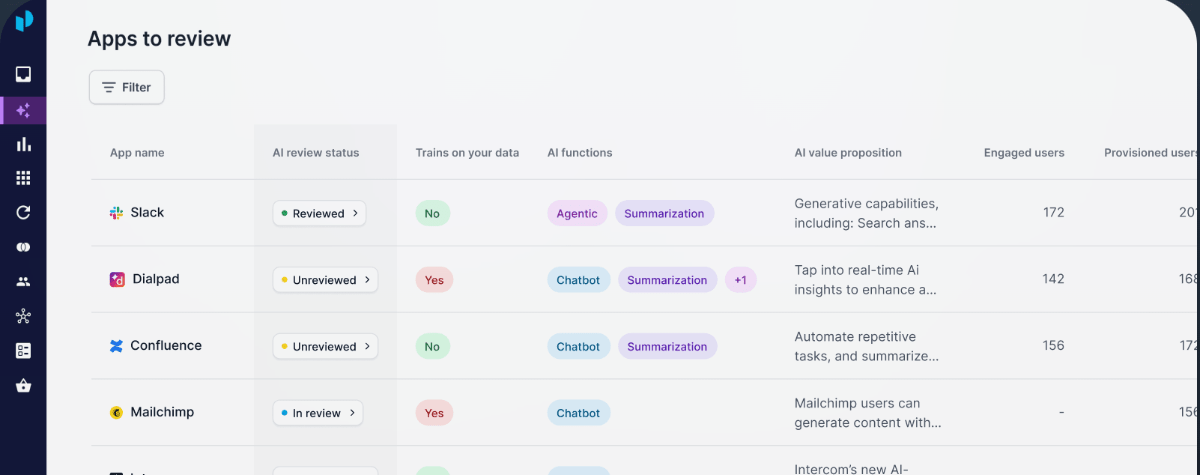
Productiv focuses on understanding the value delivered by SaaS products, not just their cost. The platform analyzes usage patterns across teams and roles to determine which tools truly drive productivity.
Key capabilities include:
- Deep SaaS usage analytics
- ROI and value measurement
- Identification of redundant or low-value tools
- Data-driven SaaS rationalization
Productiv is especially useful for organizations seeking to align SaaS investments with measurable business outcomes.
Vendr
Best for: SaaS purchasing and renewals
Ideal for: Organizations with frequent vendor negotiations
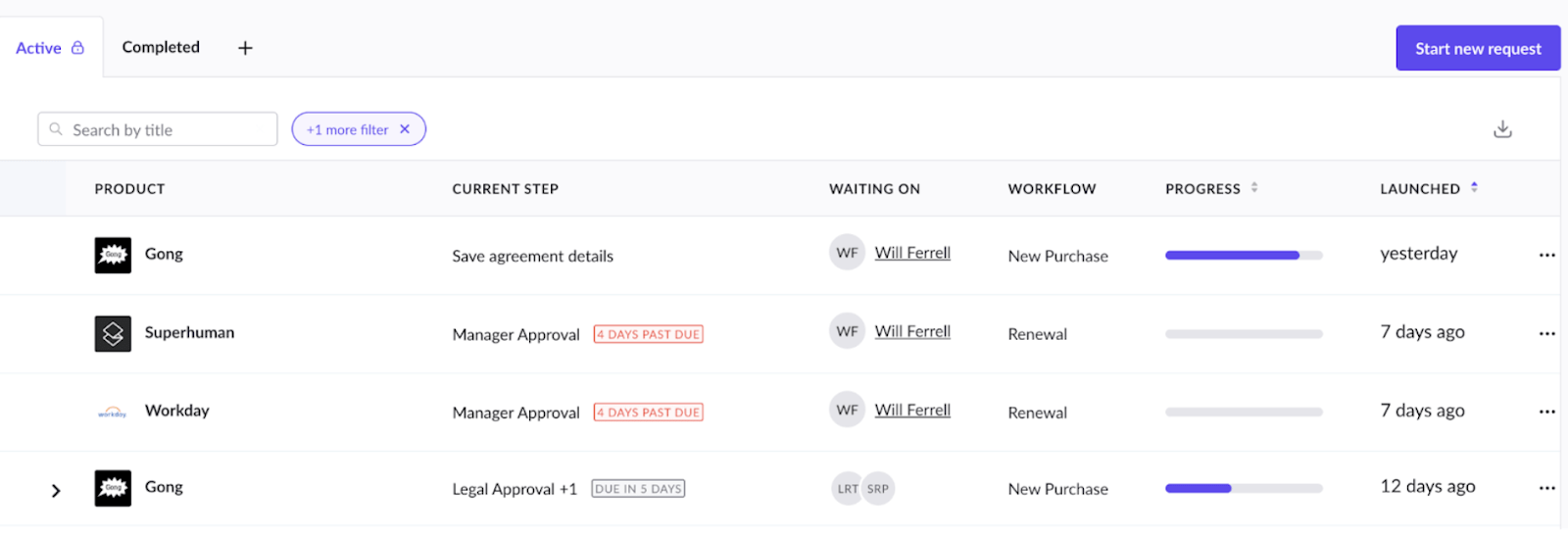
Vendr specializes in SaaS procurement and contract negotiation. Rather than managing day-to-day usage, it helps companies secure better pricing and contract terms from SaaS vendors.
Key features include:
- Vendor pricing benchmarks
- Negotiation support and expertise
- Contract and renewal management
- Procurement process optimization
Vendr is most effective when paired with a broader SaaS management platform that handles usage and operational governance.
Apptio (IBM)
Best for: Large enterprises with complex IT environments
Ideal for: Mature IT financial management teams
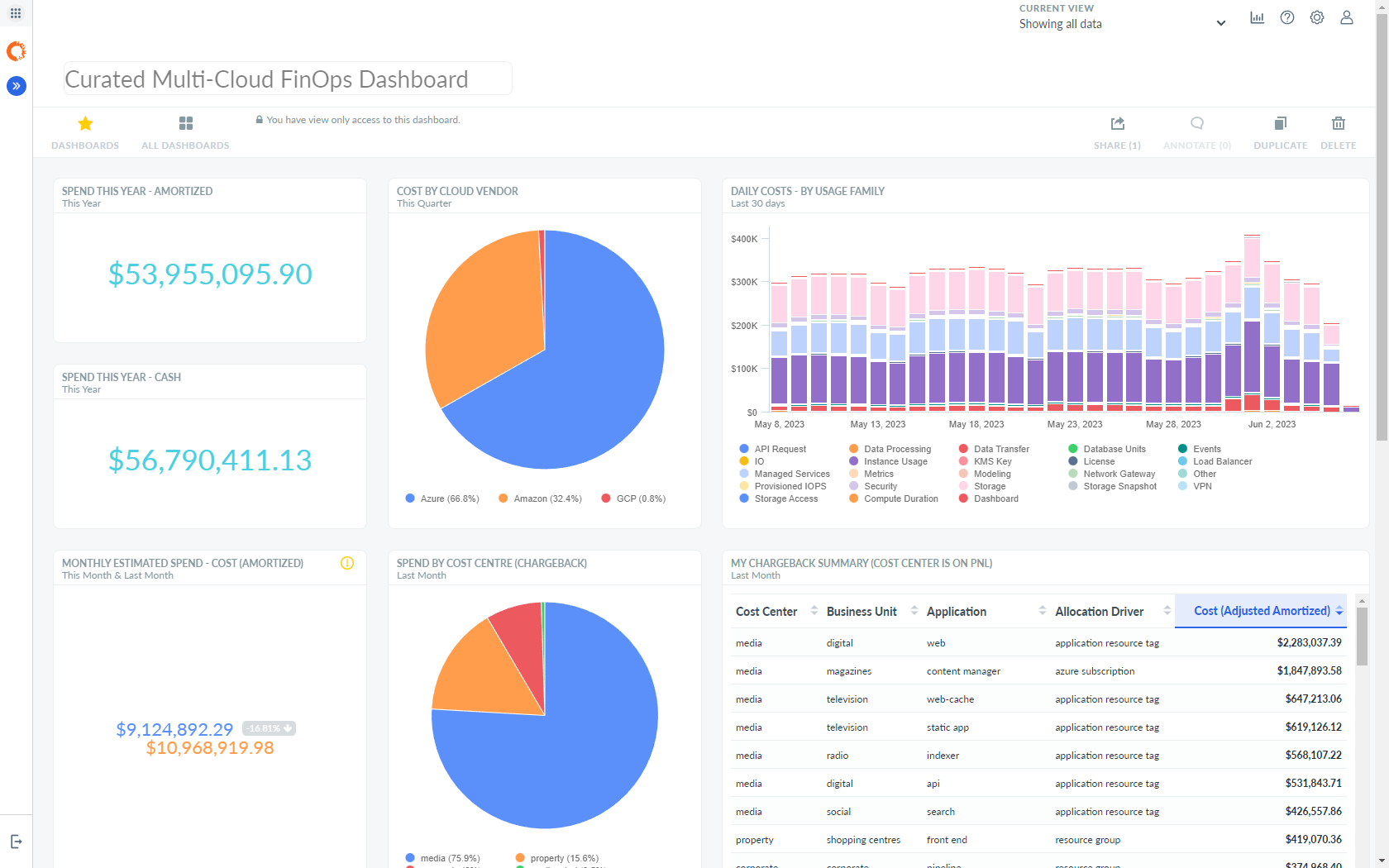
Apptio is a powerful IT financial management platform that extends beyond SaaS to include cloud infrastructure and traditional IT costs. It enables detailed cost modeling, budgeting, and forecasting across the entire IT landscape.
Key capabilities include:
- Advanced IT cost allocation
- Budgeting and forecasting
- SaaS and cloud financial transparency
- Executive-level reporting
Due to its complexity, Apptio is best suited for large organizations with established financial governance processes.
Snow Software
Best for: Organizations managing SaaS and on-prem software
Ideal for: Organizations transitioning from on-prem software to SaaS
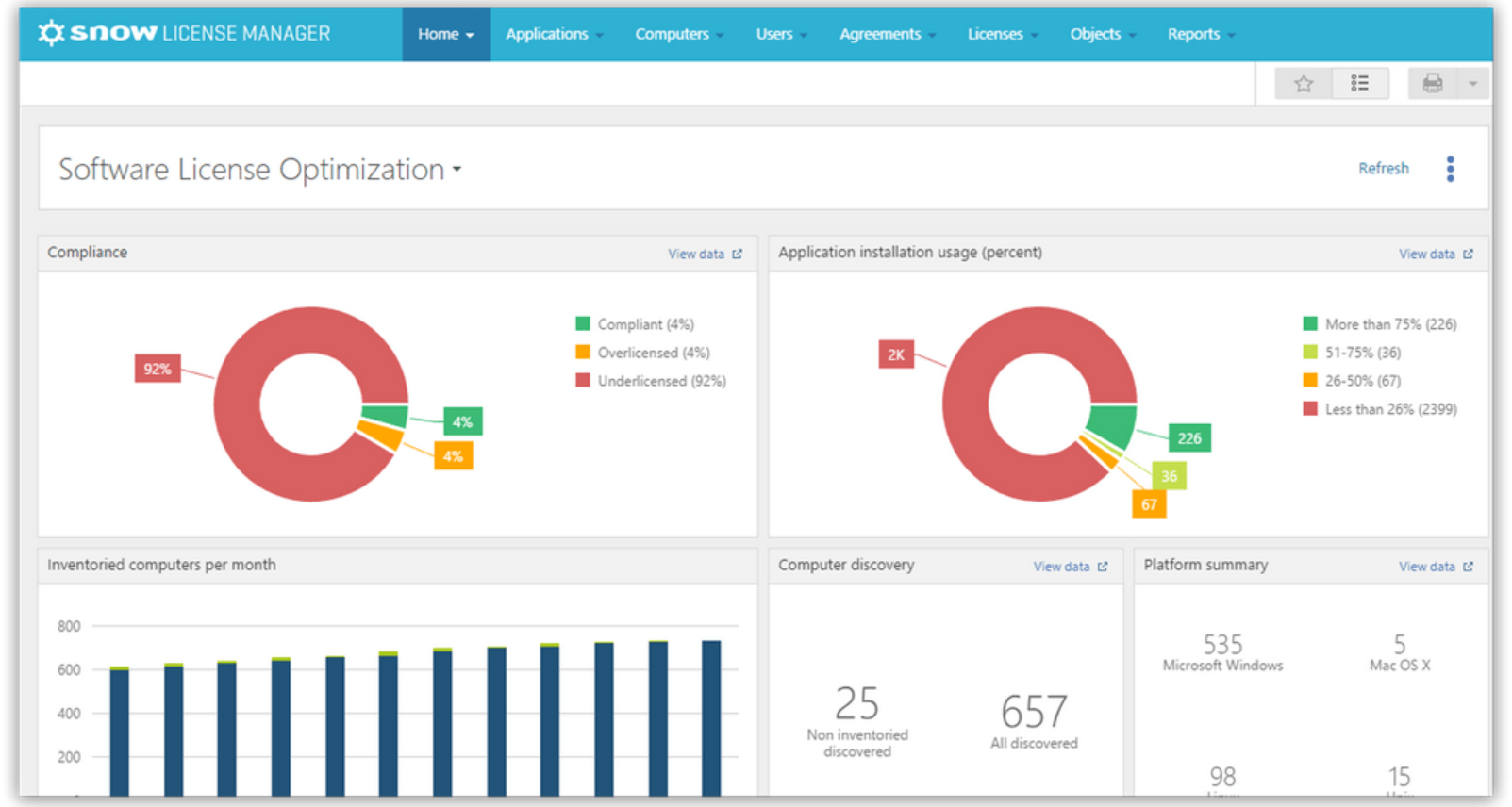
Snow Software (Flexera) bridges the gap between traditional IT asset management and SaaS spend management. It is particularly useful for companies managing a mix of on-prem, licensed software and cloud-based SaaS applications.
Key features include:
- SaaS and on-prem license tracking
- Compliance and audit support
- Usage and entitlement analytics
Snow is a strong option for organizations with legacy software environments that are gradually moving to SaaS.
Sastrify
Best for: Companies focused on procurement and vendor negotiations
Ideal for: Teams that want both spend control and vendor management
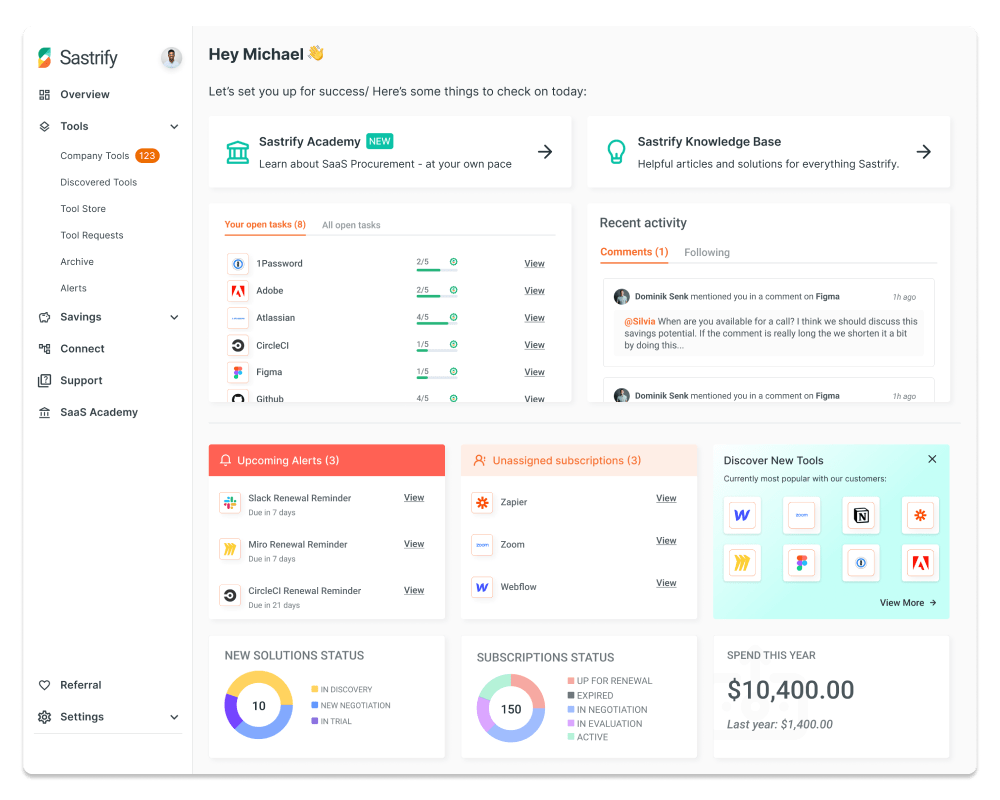
Sastrify is another strong SaaS management and optimization platform that helps companies centralize SaaS contracts, negotiate better pricing, and reduce subscription waste. It has been featured on lists of top SaaS spend management tools.
Key Capabilities:
- Central contract repository for SaaS agreements
- Spend analysis and cost insights across all SaaS tools
- Support for negotiation and vendor consolidation
- Integration with finance and procurement systems
How SaaS Spend Management Tools Support the SaaS Distribution Model
As explained in the SaaS distribution framework How is SaaS Software Distributed, SaaS software is distributed via cloud hosting, internet delivery, subscription pricing, and automatic updates. These characteristics make SaaS incredibly scalable—but also difficult to control financially.
SaaS spend management tools act as the governance layer for this distribution model by:
- Centralizing subscription visibility
- Aligning usage with subscription tiers
- Preventing renewal waste
- Reducing security risks from unmanaged access
Without these tools, the very benefits of SaaS—speed and ease—become liabilities.
Final Thoughts
By 2026, managing SaaS spend effectively will be a core business capability, not just an IT task. Organizations that fail to implement proper SaaS spend management tools will continue to overpay, face security risks, and struggle with financial predictability.
In a world where SaaS is everywhere, visibility, control, and optimization are no longer optional—they are competitive advantages.
 7-day free trial