



An unexpected 300% price increase on an IT support contract renewal can feel like a punch to the gut. Your vendor, who you’ve likely partnered with for years, has suddenly put your budget and operational stability in a difficult position. This scenario, however, is not just a challenge; it’s an opportunity. It forces a thorough re-evaluation of your needs, the market, and the real value you’re receiving. Successful IT support contract negotiation is a critical skill, and a massive price hike is the perfect catalyst to hone it. Instead of a reactive panic, you can take control of the situation with a structured, proactive approach.
Key takeaways
- Start the renewal and negotiation process at least 90-120 days before the contract expires to allow ample time for research and discussion.
- Benchmark your current vendor’s proposed costs against at least two other competitors to create leverage and understand market rates.
- Analyze your ticket history and support utilization to identify services you actually use, eliminating shelfware and negotiating based on real-world needs.
- If a price increase is unavoidable, negotiate for non-price value such as improved Service Level Agreements (SLAs), free training, or extended payment terms.
The Shocking Renewal Notice
The first reaction to a threefold price increase is often sticker shock, followed by frustration. Vendors may justify such a hike with reasons ranging from inflation and increased operational costs to new “value-added” features you didn’t ask for. In some cases, a hardware support cost increase is tied to the age of your equipment, as older hardware becomes more expensive to maintain. Whatever the reason, it’s crucial not to let emotion drive your response.
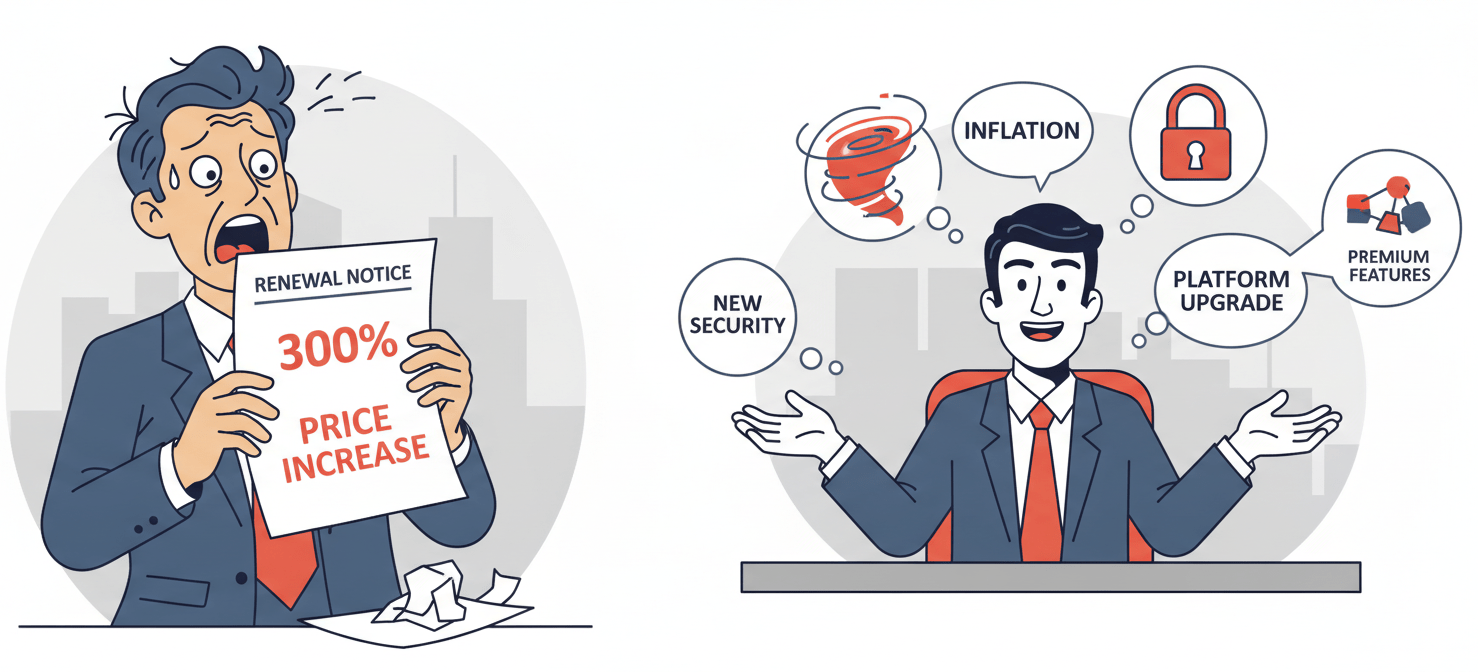
Instead, view this as a business transaction. The vendor has made their opening offer. Now, it’s your turn to formulate a counter-strategy. The immediate goal is to understand the “why” behind the increase. Send a formal request to your vendor asking for a detailed justification for the new pricing structure. This initial step signals that you won’t simply accept the new terms and begins the process of IT support contract negotiation.
Initial Steps for IT Support Contract Negotiation
A successful vendor support renewal begins long before the current contract expires. Passively letting contracts auto-renew can lock your organization into services that no longer fit your needs or budget. The best practice is to start the review process at least three to four months in advance. This timeline provides the necessary space to perform due diligence without being rushed into a decision as the deadline looms.
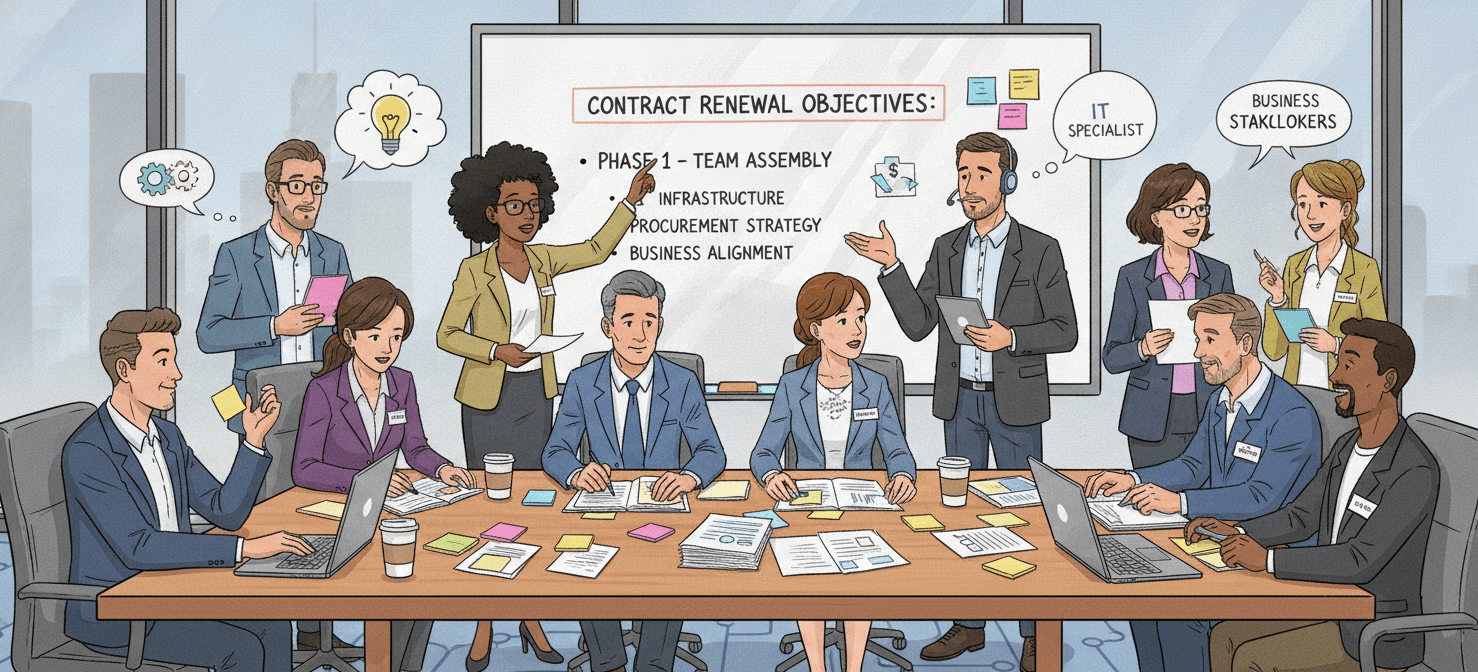
Your first action is to assemble a team. This should include the IT department, procurement specialists, and key stakeholders who rely on the support services. Together, you can define your objectives. Are you primarily focused on cost reduction, or are there service-level improvements you need? Having clear, aligned goals is fundamental to a strong negotiating position. This preparation phase is critical; walking into a negotiation unprepared is a surefire way to lose leverage.
Analyzing Your Current IT Support Contract
Before you can effectively negotiate, you must deeply understand what you’re currently paying for. Dust off the existing contract and review every line item. Pay close attention to the scope of services, Service Level Agreements (SLAs), and any clauses related to termination or changes. Many organizations discover they are paying for support on hardware that is no longer in use or for software licenses that are redundant.

Audit Your Actual Usage
A powerful tool in your negotiation arsenal is your own data. Analyze your support ticket history for the past year. What were the most common issues? How were the response and resolution times? Did the vendor consistently meet their SLA targets? This internal audit provides a clear picture of the value you’ve received and helps identify areas where the service may be lacking. If the data shows you only use a fraction of the contracted services, you have a strong argument for a more tailored, and less expensive, agreement.
Researching Alternatives and Gathering Quotes
Your strongest leverage in any negotiation is the ability to walk away. Even if you are satisfied with your current provider, you must explore alternatives. Research at least two other vendors that offer comparable services. This process, known as benchmarking, provides a clear view of current market rates and strengthens your negotiating position. When a vendor knows you have other viable options, they are far more likely to be flexible on pricing.
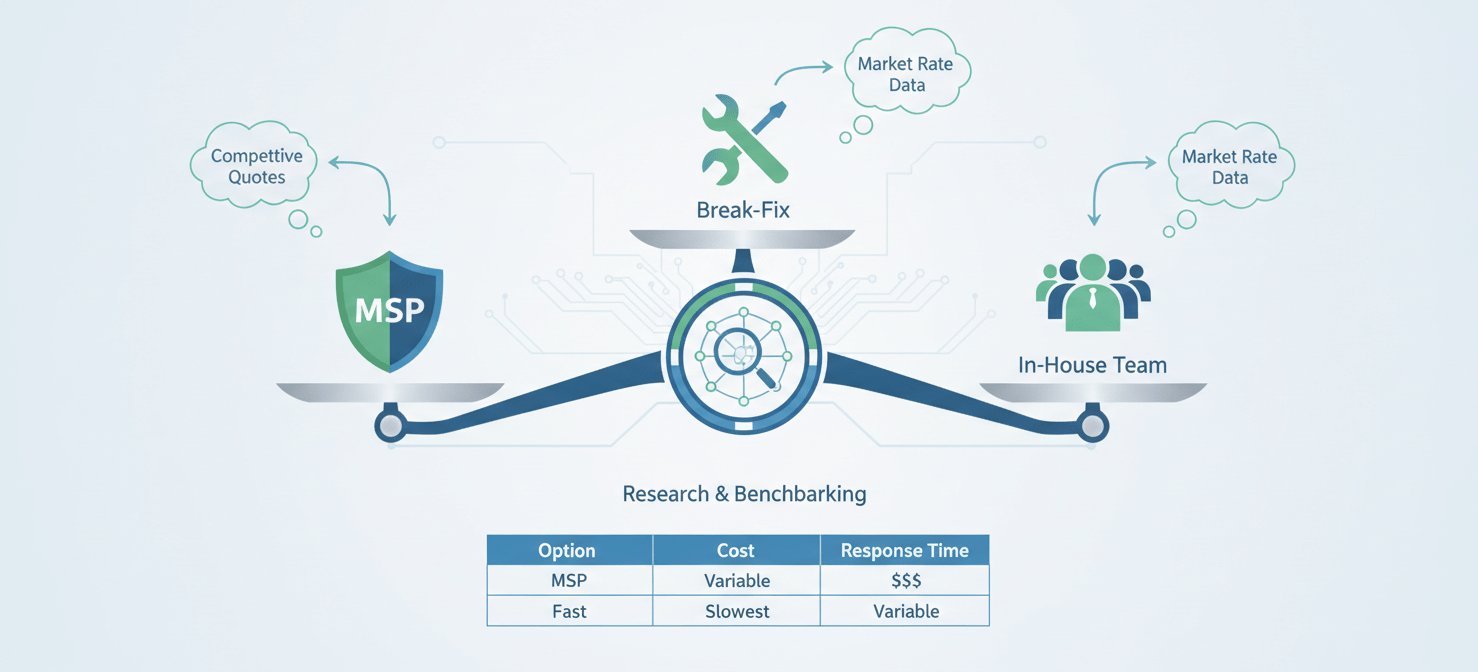
There are several types of IT support models to consider:
- Managed Service Providers (MSPs): These firms take over your entire IT department for a fixed monthly fee, offering proactive maintenance and support.
- Break-Fix Services: With this model, you pay an hourly rate for a technician to fix problems as they arise. While seemingly cheaper, it can lead to higher costs over time as it’s a reactive approach.
- In-House Support: For some companies, hiring an internal IT team may be a cost-effective long-term solution, though it comes with its own set of management and overhead costs.
Obtain formal quotes from these alternatives. These documents are not just for comparison; they are tactical tools you can use in your discussion with the incumbent vendor.
Negotiation Tactics and Strategies
With your analysis and research complete, you are ready to engage with your current vendor. Schedule a formal meeting and present your findings in a calm, data-driven manner. Start by stating your desire to continue the partnership but express that the proposed price hike is not sustainable for your business.
Focus on Value, Not Just Price
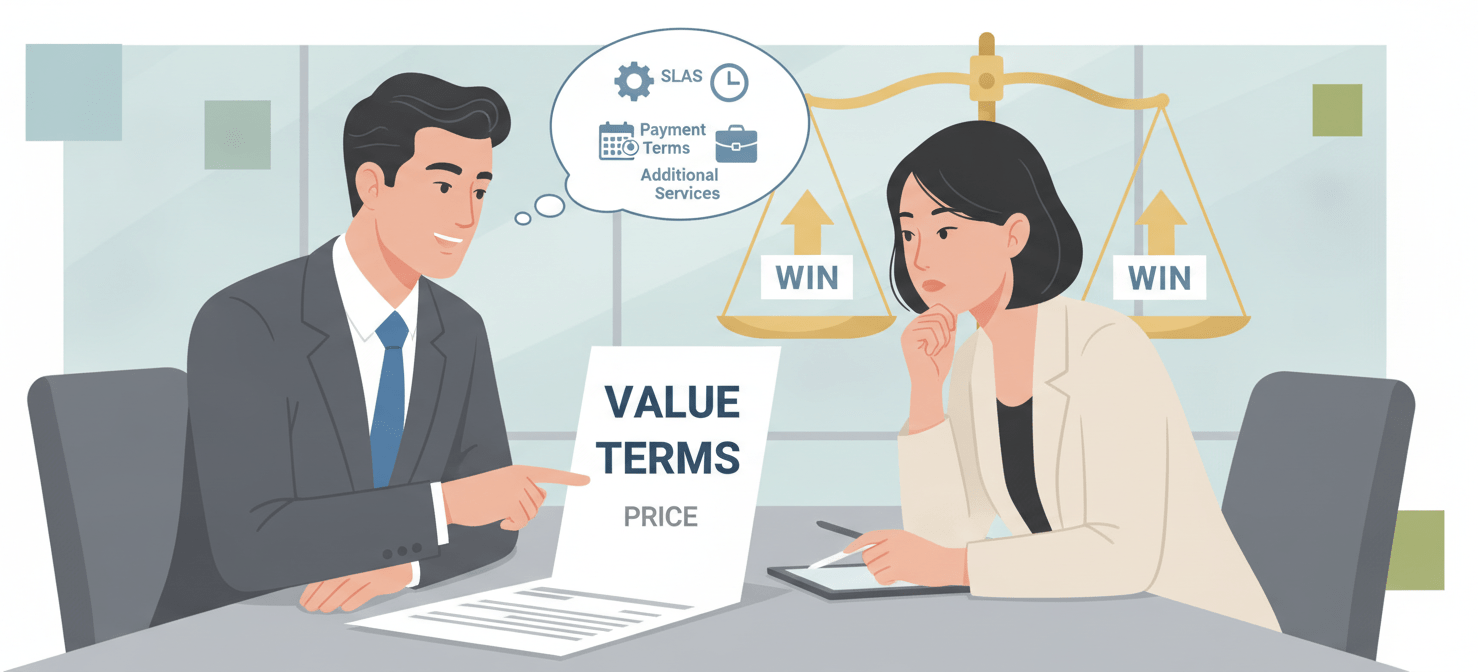
If the vendor is unwilling to lower the price significantly, shift the negotiation to non-price value. Can they offer better payment terms, such as moving from Net-30 to Net-60? Could they include additional services, like enhanced security monitoring or more frequent strategic reviews, at no extra cost? Another key area is the SLA; negotiate for faster resolution targets rather than just response times to ensure issues are fixed more quickly.
Be Prepared to Compromise (or Walk Away)
Negotiation is a two-way street. Know your absolute maximum budget and be clear about what you are willing to concede. Perhaps you can agree to a longer contract term in exchange for a lower annual rate. However, you must also be genuinely prepared to switch providers if the vendor is unwilling to meet your essential requirements. Hesitation to walk away removes your most significant piece of leverage.
Conclusion
Facing a 300% price increase from a trusted IT vendor is a serious challenge, but it doesn’t have to end with you reluctantly signing an overpriced check. By treating the renewal as a strategic project rather than a routine administrative task, you can turn the situation to your advantage. A thorough analysis of your needs, diligent market research, and a well-planned approach to IT support contract negotiation can lead to a more favorable outcome. It may result in a significantly reduced price from your current vendor, a new partnership with a provider that better fits your needs and budget, or at the very least, a contract that delivers far more value for your investment. In the end, a vendor’s overreach can become the catalyst for a smarter, more cost-effective IT strategy.

To proactively manage your IT contracts and avoid future price shocks, explore how Binadox can empower your negotiation strategy; you can start by trying Binadox free to experience its capabilities, or connect with our team to book a demo for a personalized walkthrough.
 7-day free trial