



As an engineering leader, you own the engine of innovation. But that engine runs on fuel, and in the cloud, the fuel gauge can be notoriously difficult to read. When cloud bills escalate without clear drivers, it strains budgets, slows momentum, and creates friction between engineering and finance. The solution isn’t to pump the brakes on development. Instead, it’s about handing the fuel card and the trip computer to the drivers—your engineers. This is the core of cloud cost ownership: a cultural shift that embeds financial accountability directly within the teams that build and run services.
When engineers see the cost implications of their architectural decisions not as a penalty, but as another metric to be optimized—alongside latency, uptime, and scalability—they build more efficient, resilient, and profitable systems. This isn’t about turning developers into accountants. It’s about empowering them with the right data at the right time to make smarter, cost-aware decisions from the first line of code.
Key takeaways:
- Shift Accountability Left: Empowering engineers with cost visibility can make them better owners of their services. A 2024 survey found that when engineering has some level of ownership, 81% of organizations feel their cloud costs are “about where they should be.”
- Visibility Precedes Control: You cannot control what you cannot see. The first step is always to implement granular, team-based cloud cost reporting by breaking down shared infrastructure costs.
- Make Cost a Feature: Integrate cost metrics into the software development lifecycle, from design reviews to CI/CD pipelines, treating it like any other non-functional requirement.
- Follow a 3-Step Framework: Implement a phased approach focusing on Visibility, Accountability, and then Optimization to build a sustainable cost-aware culture.
Why Cloud Cost Ownership Matters Now
For years, the primary directive for engineering teams was to move fast and build scalable products. Cloud infrastructure was a utility that enabled this speed, and its cost was a line item managed centrally by finance or a dedicated infrastructure team. However, this model is showing its cracks.

With worldwide public cloud spending projected to hit nearly $679 billion in 2024, the scale of this expenditure demands a more decentralized approach to governance. A recent survey highlighted that over 75% of organizations believe 21-50% of their cloud spend is wasted. This isn’t just a financial leak; it’s a drag on engineering efficiency and a source of organizational friction.
When costs are opaque, engineers are incentivized to overprovision resources to ensure performance and reliability, as there is no direct feedback loop on the financial impact. This leads to several negative outcomes:
- Budget Overruns: Unpredictable spending creates tension with finance and can lead to reactive, across-the-board cost-cutting mandates that stifle innovation.
- Inefficient Architectures: Without cost data, teams cannot perform a cost-benefit analysis of different architectural patterns. A service that is technically elegant might be financially unsustainable.
- Lack of Accountability: If no one team owns the cost of a feature or service, no one is responsible for optimizing it. Shared resources become a “tragedy of the commons,” where consumption is high and accountability is low.
Developer cost accountability reframes this dynamic. It aligns engineering incentives with business objectives, making cost a key performance indicator alongside system health and feature velocity.
Step 1: Visibility—Who Owns What?
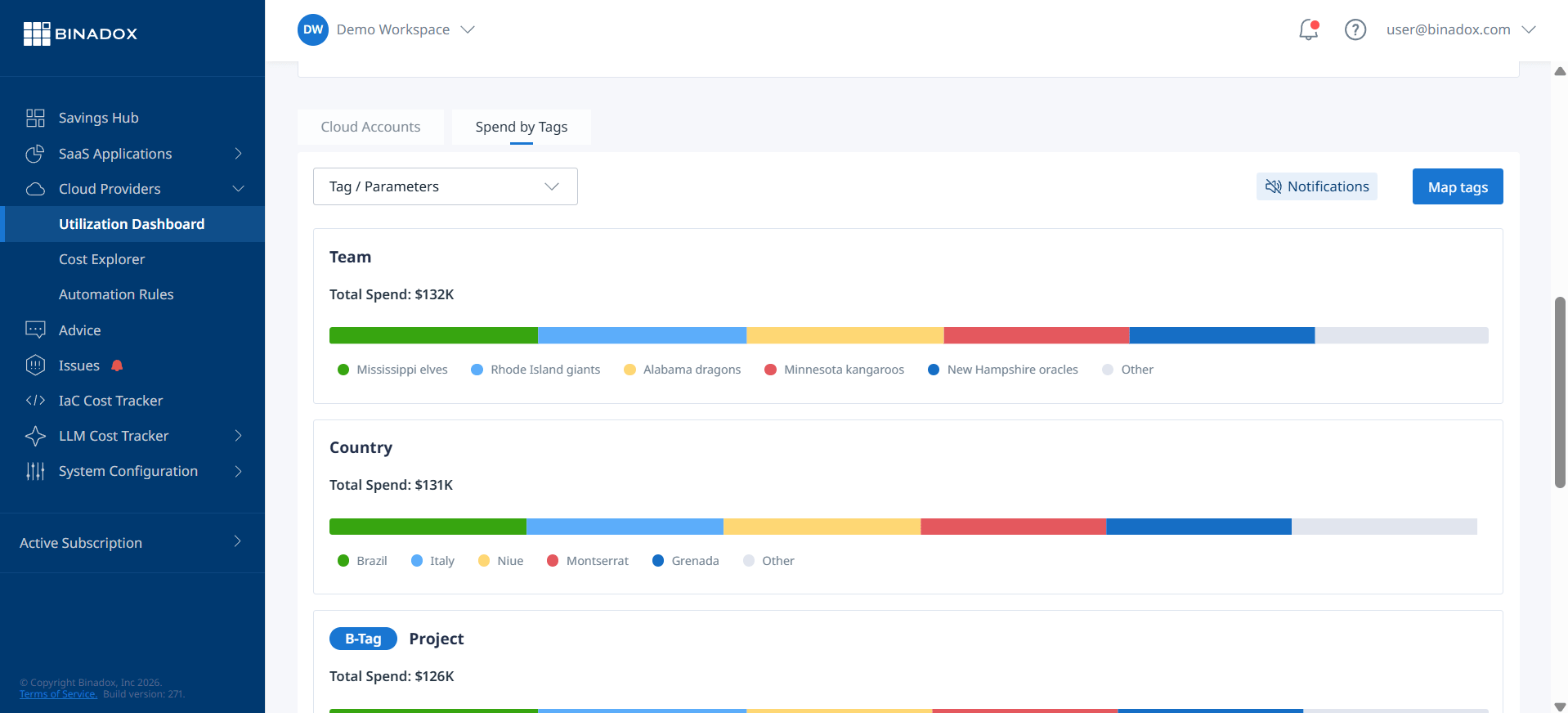
The foundation of cloud cost ownership is visibility. Your engineers cannot own what they cannot see. The goal is to move from a single, monolithic cloud bill to a detailed breakdown that attributes every dollar of spend to a specific team, project, or feature.
Implement a Consistent Tagging and Labeling Strategy
Your cloud provider’s primary mechanism for cost allocation is resource tagging. A tag is a simple key-value label you assign to resources like virtual machines, databases, and storage buckets. When activated as “cost allocation tags,” these labels appear as filterable columns in your billing reports, allowing you to group costs by owner.
To make this effective, you need a clear, enforceable tagging policy.
- Define Mandatory Tags: Establish a minimum set of required tags for all provisioned resources. Common keys include
team,project,service, andenvironment(e.g., prod, staging). - Automate Enforcement: Use policy-as-code tools to enforce your tagging strategy. For example, Azure Policy or AWS Service Control Policies (SCPs) can prevent the creation of non-compliant resources. This shifts enforcement from a manual review process to an automated guardrail.
- Handle Shared Costs: Some costs, like shared Kubernetes clusters or data transfer fees, are difficult to attribute via tags alone. Use cost allocation tools that can distribute these costs proportionally based on consumption metrics.
Demystifying Kubernetes Costs
Kubernetes presents a unique challenge because a single cluster bill can hide the costs of dozens of different services run by multiple teams. Standard cloud provider tools often see the cluster’s worker nodes, not the individual pods or namespaces inside.
To achieve team-based cloud cost reporting for containers, you must look inside the cluster.
- Namespaces and Labels: Use Kubernetes namespaces to create logical boundaries for teams or applications. Then, apply Kubernetes labels to pods to identify the owning team or service.
- Cost Allocation Models: Kubernetes cost tools typically use one of two models to assign costs:
- Requests-based allocation: Costs are divided based on the CPU and memory resources a pod requests. This aligns with how the Kubernetes scheduler makes decisions.
- Usage-based allocation: Costs are based on the actual CPU and memory a pod consumes. This is more precise but can be harder to predict.
For most internal accountability (showback) purposes, requests-based allocation is the practical starting point.
Step 2: Accountability—Connecting Costs to Actions
With visibility in place, the next step is to create accountability. This means establishing clear feedback loops that connect engineering actions to financial outcomes. The goal is not to punish teams for spending money but to ensure that spending is deliberate and efficient.
Establish Team-Based Reporting and Reviews
Raw cost data is overwhelming. You need to translate it into actionable insights tailored to your engineering teams.
- Role-Specific Dashboards: Create dashboards that show each team their specific costs, trends, and key drivers. Filter out the noise of the total cloud bill and focus on the resources they directly control.
- Weekly Cost Reviews: Incorporate a brief cost review into regular team meetings or sprint reviews. Discuss spending trends, identify anomalies, and celebrate optimization wins. This normalizes the conversation around cost and makes it a regular part of the engineering cadence.
- Budgeting and Forecasting: Work with team leads to set realistic budgets for their services. Budgets should not be rigid caps but rather guideposts that trigger conversations when spending deviates from the forecast. Tools like Google Cloud budgets and alerts or Azure Cost Management can automate notifications when spending approaches a threshold.
Introduce Showback Before Chargeback
There are two primary models for developer cost accountability:
- Showback: You show teams the cost of the resources they consume without any actual budget transfer. The goal is to raise awareness and encourage voluntary optimization.
- Chargeback: An internal accounting process where the cost of cloud resources is formally charged to the budget of the consuming department.
Always start with showback. It builds the cultural muscle of cost awareness without the friction and complexity of internal billing. Once your cost allocation is mature and widely trusted, you can consider a formal chargeback model if your organizational structure requires it.
Step 3: Optimization—Empowering Teams to Act
Visibility and accountability are prerequisites, but the ultimate goal is optimization—empowering your teams to build more cost-efficient services. This is where cloud cost ownership delivers its highest ROI.
Integrate Cost into the Development Lifecycle
Shift cost awareness “left” by making it a consideration from the very beginning.
- Architectural Design Reviews: Require cost estimates for new features or services during the design phase. Use tools like the AWS Pricing Calculator or Google Cloud Pricing Calculator to model the expected costs of different architectural choices.
- CI/CD Integration: Integrate cost estimation tools into your CI/CD pipeline to provide developers with feedback on the cost implications of their code changes before they reach production.
- Define Cost-Based KPIs: Establish and track metrics that connect cloud spend to business value. Examples include:
- Cost per active user
- Cost per transaction
- Idle resource cost as a percentage of total spend
Provide Actionable Recommendations
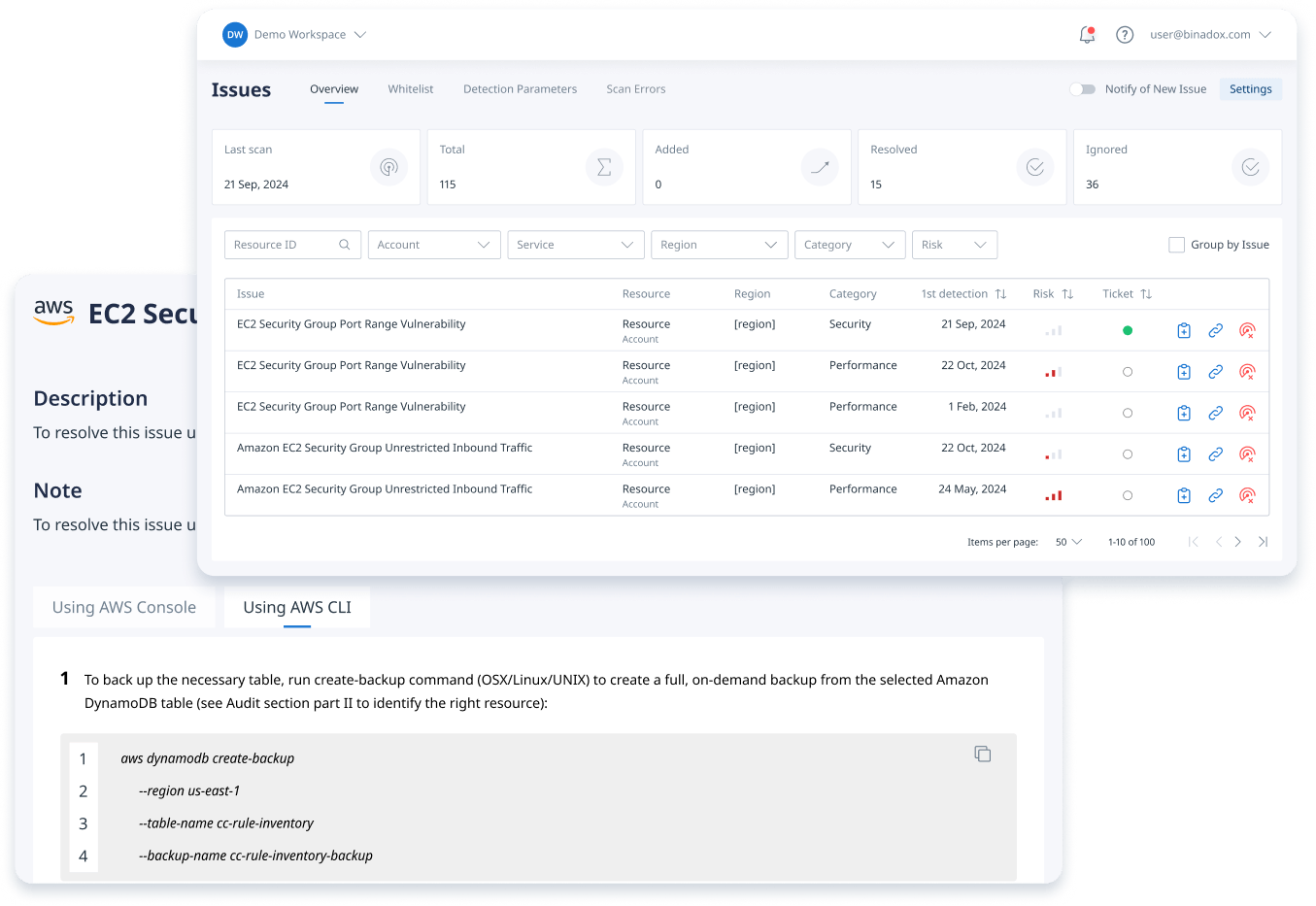
Don’t just show teams their spending; give them clear, actionable guidance on how to reduce it. Cloud providers offer native tools that can automatically identify optimization opportunities.
- Rightsizing: Use tools like AWS Compute Optimizer or Azure Advisor to identify overprovisioned virtual machines and databases. These services analyze utilization metrics and recommend more appropriately sized—and cheaper—alternatives.
- Idle and Unused Resources: Regularly scan for and decommission “zombie” resources like unattached storage volumes, idle load balancers, and forgotten test environments. A recent report noted that 83% of container costs were associated with idle resources.
- Leverage Modern Services: Encourage teams to adopt newer, more efficient technologies. For example, migrating from previous-generation EC2 instances to current-generation instances can often provide better performance at a lower cost.
Sustaining a Culture of Cloud Cost Ownership
Fostering cloud cost ownership is not a one-time project; it’s an ongoing cultural practice. As a leader, your role is to create the systems and incentives that make this behavior sustainable.
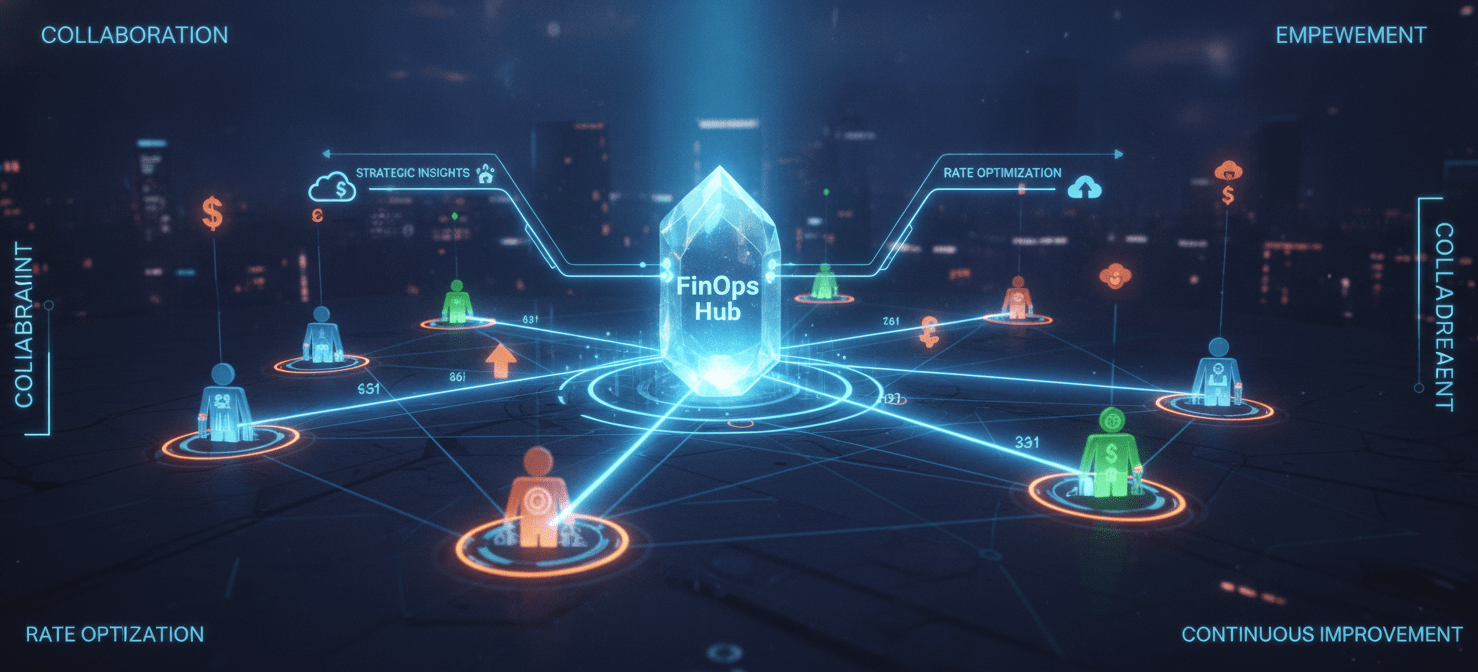
First, centralize rate optimization while decentralizing usage optimization. A central FinOps or Cloud Business Office team should manage enterprise-wide commitments like AWS Savings Plans or Google Cloud Committed Use Discounts. This allows you to take advantage of economies of scale while letting engineering teams focus on what they control best: the efficiency of their own applications.
Next, celebrate wins and share best practices. When a team successfully reduces the cost of a service without impacting performance, publicize that success. This creates positive reinforcement and provides a blueprint for other teams to follow.
Finally, provide ongoing education. The cloud landscape changes constantly, with new services, features, and pricing models introduced regularly. Ensure your teams have the training and resources they need to stay current on cost optimization best practices.
Ultimately, building a culture of cloud cost ownership transforms your engineering organization from a cost center into a profit driver. It aligns technical decisions with financial realities, reduces waste, and frees up capital to reinvest in innovation. The bill will still arrive every month, but it will no longer be a surprise. Instead, it will be a predictable, well-understood reflection of the value your team delivers.
To truly transform your engineering organization into a profit driver by aligning technical decisions with financial realities, you can easily create your free Binadox account to begin your journey, or book a demo to explore its comprehensive capabilities.
 7-day free trial