




The shift to the cloud offers incredible flexibility and scalability, but it also introduces a significant financial challenge: variable, consumption-based pricing. Unlike traditional IT with its fixed, upfront costs, cloud spending can fluctuate dramatically. This variability often leads to a painful and all-too-common problem for many organizations: cloud budget overruns. When invoices arrive significantly higher than anticipated, it puts pressure on finance teams, slows down engineering velocity, and can undermine the business case for the cloud itself. Effectively managing this new financial model requires a proactive approach that combines accurate forecasting with diligent cost management.
Key takeaways
- Waste is a major driver: A significant portion of cloud spending, estimated to be around 32%, is wasted on idle or overprovisioned resources.
- Collaboration is essential: Effective cloud financial management, or FinOps, requires breaking down silos between finance, engineering, and business teams to create shared accountability.
- Forecasting requires new methods: Traditional, static budgeting doesn’t work for the cloud’s variable model; instead, teams should use methods like trend-based and driver-based forecasting.
- Proactive management is key: Implementing the 6 core principles of FinOps can help teams move from reacting to bills to proactively managing cloud value.
Why Cloud Costs Are So Hard to Predict
The core reason cloud costs spiral out of control is the fundamental shift from a fixed to a variable spending model. Traditional IT procurement involves predictable capital expenditures. In contrast, the cloud operates on a pay-as-you-go basis, where costs are driven by real-time usage. This creates several distinct challenges.
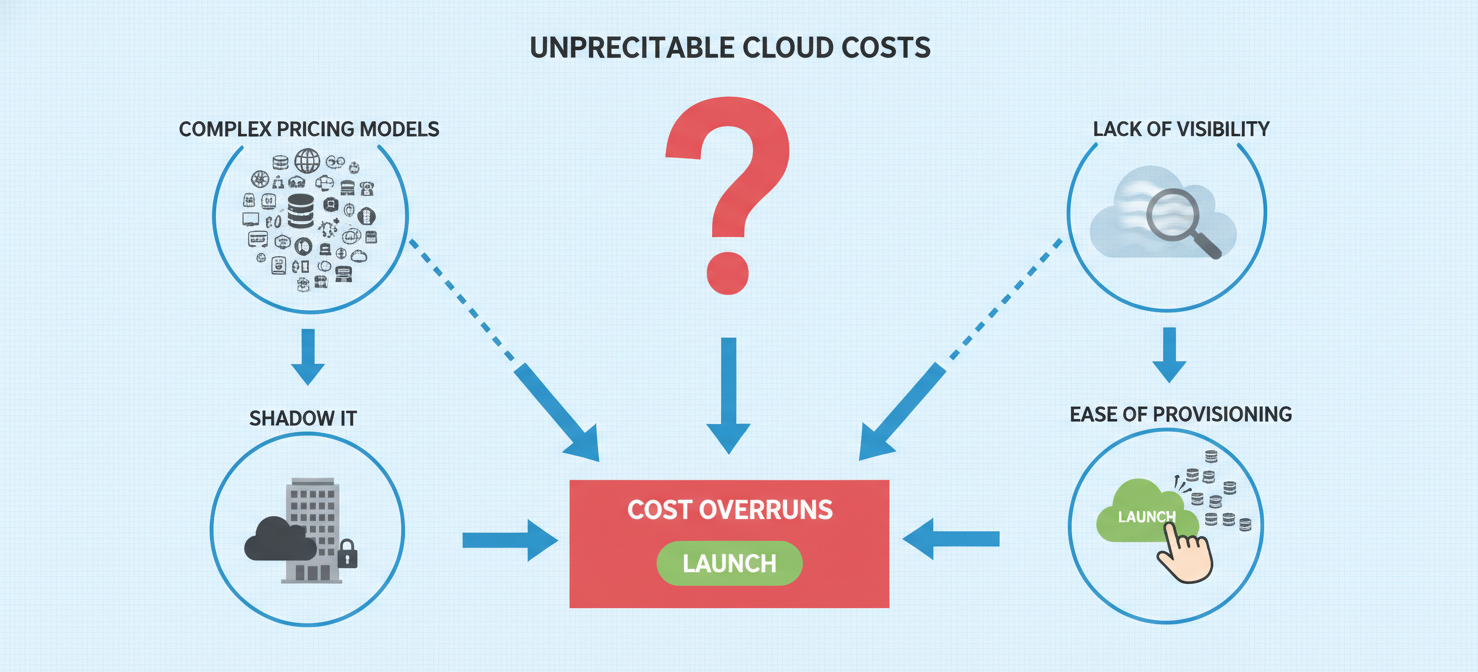
First, the sheer complexity of cloud provider pricing is a major hurdle. Vendors offer thousands of services, each with unique pricing models based on metrics like compute time, storage tiers, data transfer, and API calls. This complexity makes it difficult for teams to understand the cost implications of their architectural decisions.
Second, there is often a lack of visibility and accountability. Without proper resource tagging and cost allocation, it becomes nearly impossible to attribute spending to specific teams, projects, or products. This leads to “shadow IT,” where resources are provisioned without centralized oversight, and orphaned resources that continue to incur charges long after they are needed.
Finally, the ease of provisioning resources can be a double-edged sword. Developers can spin up new instances in minutes, but they may forget to de-provision them when a project is finished. This leads to uncontrolled sprawl and overprovisioned resources, which are significant sources of wasted spend.
Step 1: Establish Visibility and Accountability
You cannot control what you cannot see. Therefore, the first step in tackling cloud budget overruns is to gain clear visibility into where your money is going. This is the foundational “Inform” phase of the FinOps lifecycle. The goal is to create a single source of truth for all cloud spending and to ensure every dollar is accounted for.
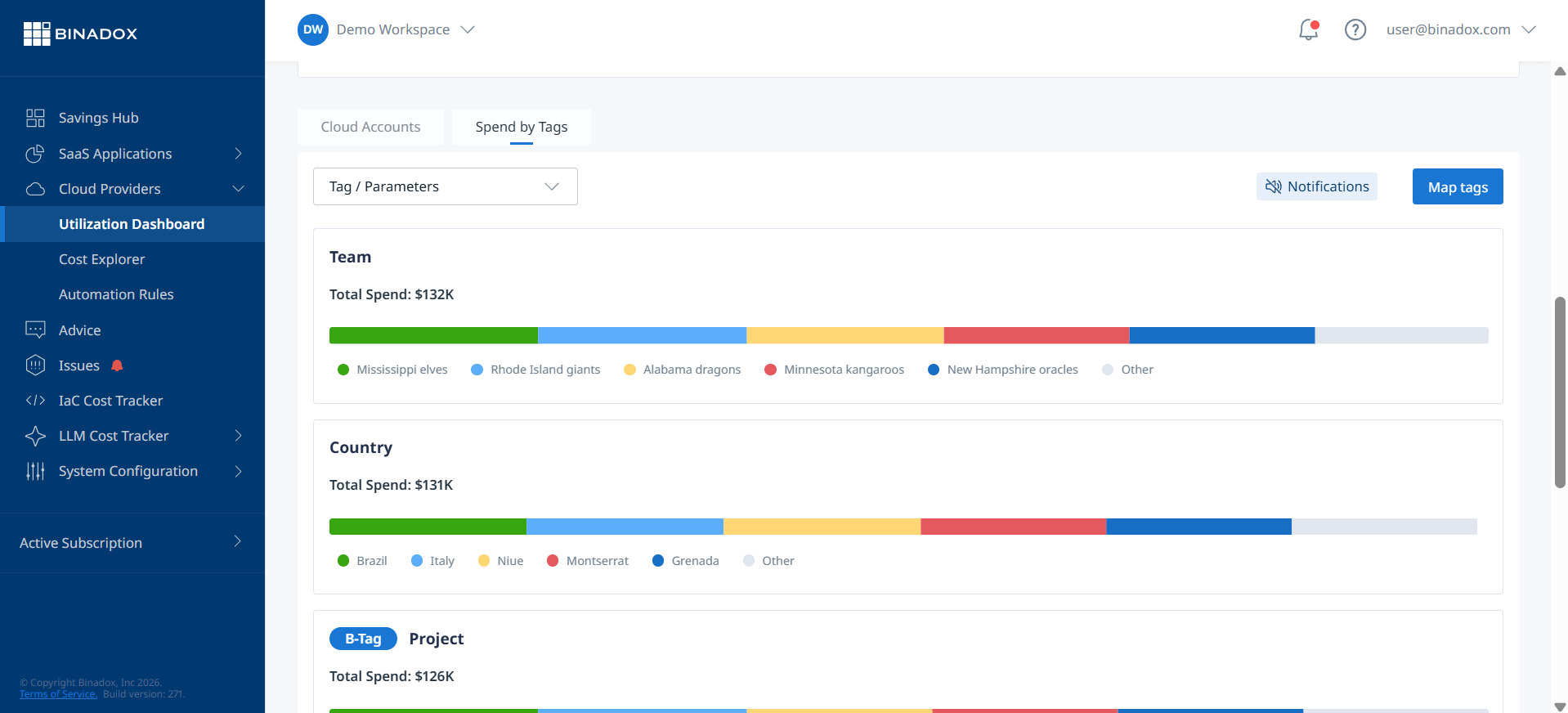
Implement a Comprehensive Tagging Strategy
A robust tagging strategy is the bedrock of cloud cost accountability. By tagging every resource with relevant information—such as the owner, team, project, cost center, and environment—you can begin to allocate costs accurately. This allows you to answer critical questions like, “How much is the marketing team’s new application costing us?” or “What is the cost of our development environment versus production?”
Foster a Culture of Shared Ownership
Once you have visibility, the next step is to drive accountability. This involves a cultural shift where engineering teams take ownership of their cloud usage. FinOps is a collaborative practice that brings together finance, technology, and business teams to make decisions based on business value. When engineers can see the cost impact of their decisions in near real-time, they are empowered to make more cost-conscious choices without sacrificing performance or speed. This shared responsibility is a core principle of a successful FinOps practice.
Step 2: Implement a Forecasting Framework
With visibility and accountability established, you can move from a reactive to a proactive stance by implementing a robust forecasting framework. Static, annual budgets are ill-suited for the dynamic nature of the cloud. Instead, you need a more dynamic approach that can adapt to changing business needs and usage patterns.
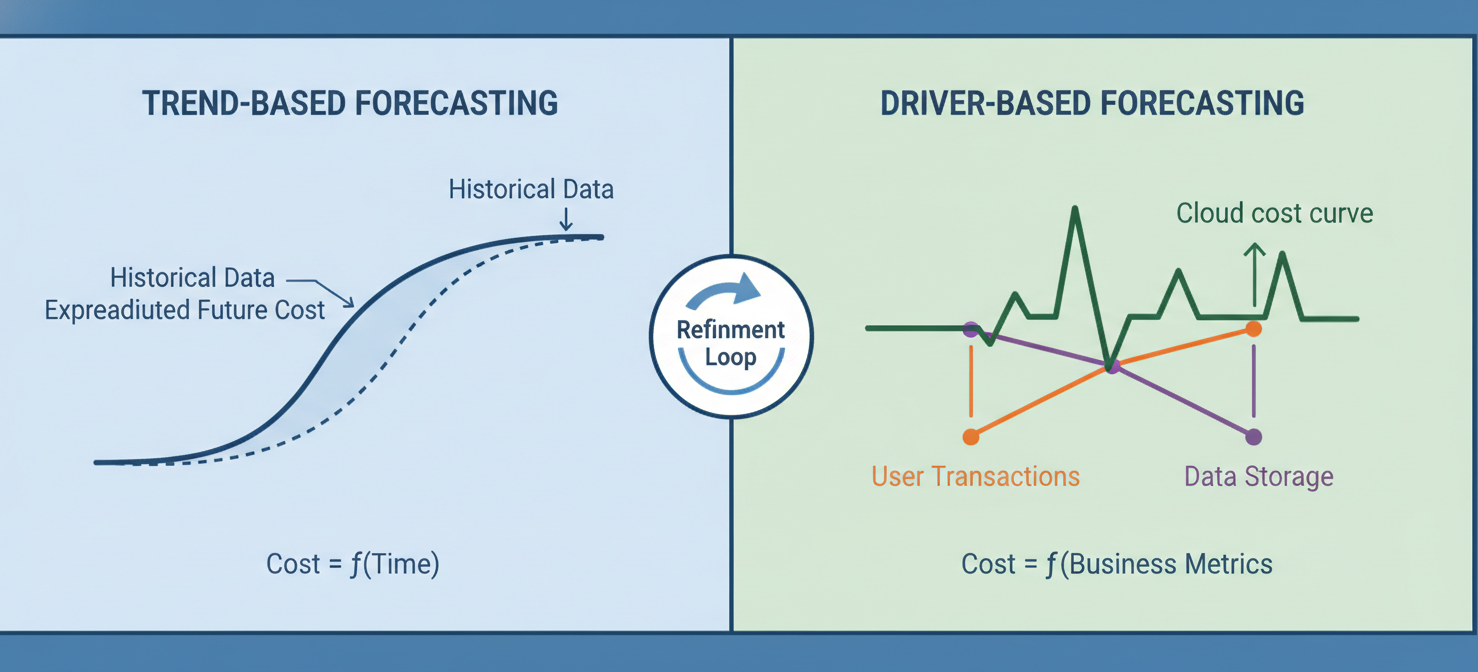
There are two primary methods for cloud cost forecasting:
- Trend-based forecasting: This method uses historical cost and usage data to project future spending. Tools like AWS Cost Explorer can provide basic trend-based forecasts. This approach works well for stable workloads but can be inaccurate if significant changes are planned.
- Driver-based forecasting: This is a more sophisticated method that connects cloud spending to business metrics. For example, an e-commerce company might forecast its cloud costs based on the projected number of customer transactions. This approach provides a more accurate and defensible forecast because it is tied directly to business value.
The most effective forecasting combines both methods. You can use trend-based analysis for your baseline costs and then layer on driver-based adjustments for new projects, migrations, or expected growth. Regular reviews of your forecast against actual spending are crucial to identify variances and refine your models over time.
Step 3: Proactive Cloud Cost Management and Optimization
Forecasting provides a map, but proactive management ensures you stay on course. This is the “Optimize” phase of the FinOps lifecycle, where your team actively works to improve efficiency and reduce waste. The goal is not simply to cut costs, but to maximize the business value derived from every dollar spent in the cloud.
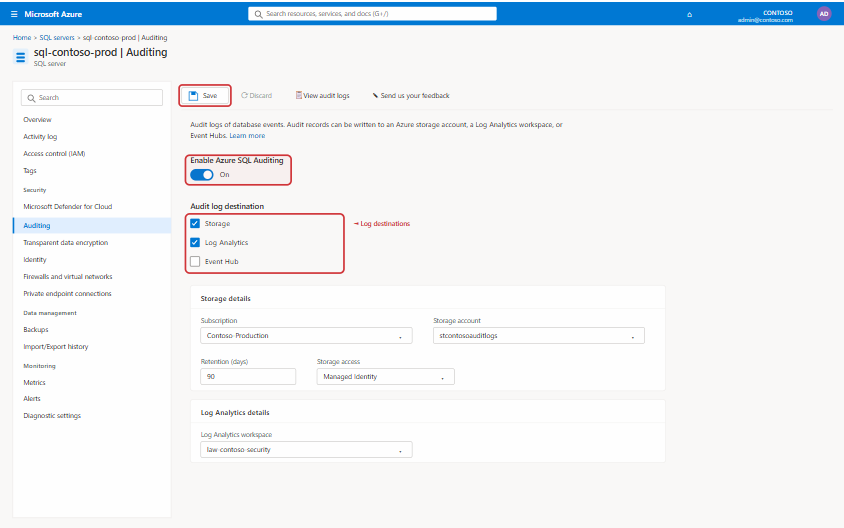
Common optimization strategies include:
- Rightsizing resources: This involves analyzing usage patterns and adjusting compute instances and storage volumes to match actual demand, eliminating overprovisioning.
- Shutting down idle resources: A surprising amount of waste comes from resources that are running but not being used, such as development or test environments left on overnight or on weekends.
- Leveraging commitment-based discounts: For predictable workloads, using Reserved Instances (RIs) or Savings Plans can offer significant discounts compared to on-demand pricing.
- Using autoscaling: Autoscaling automatically adjusts the number of compute resources based on real-time demand, ensuring you only pay for what you need during peak and off-peak times.
- Optimizing storage: This includes using tiered storage to move less frequently accessed data to cheaper storage classes and implementing lifecycle policies to automatically delete old data.
How to Handle Inevitable Cloud Budget Overruns
Even with the best forecasting and management, variances will happen. A key product launch might be more successful than anticipated, leading to a spike in usage. This is often a “good” overrun, as it’s tied to business growth. The key is how your team responds.
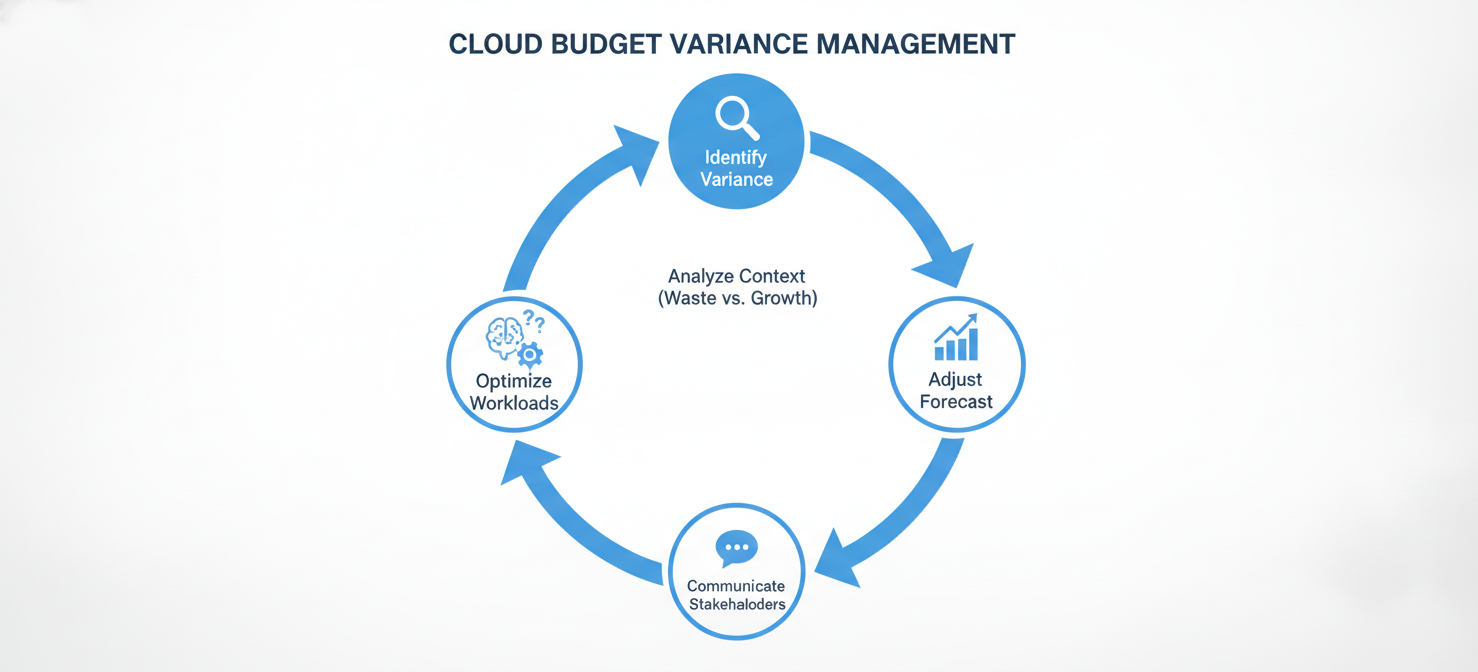
When a budget variance occurs, the first step is to analyze it in context. Was the overspend driven by waste, or was it the result of increased business activity? A variance analysis should be a collaborative process, not an exercise in blame.
Next, use the insights from your analysis to inform your next steps. This could involve:
- Optimizing the relevant workloads: If the variance was caused by inefficiency, prioritize optimization efforts in that area.
- Adjusting the forecast: If the overspend was driven by legitimate growth, update your forecast to reflect the new baseline.
- Communicating with stakeholders: Keep finance and business leaders informed about why the variance occurred and what actions are being taken.
By establishing a clear process for handling variances, you can turn unexpected overruns into valuable learning opportunities that improve the accuracy of future forecasts.
Conclusion
Navigating the complexities of cloud financials is a continuous journey, not a one-time fix. The dynamic nature of the cloud means that cost management must be an ongoing discipline embedded in your organization’s culture. By establishing clear visibility, fostering a culture of accountability, implementing a dynamic forecasting framework, and proactively optimizing resources, you can gain control over your cloud spending. Ultimately, the goal is to transform the conversation from one focused solely on cost-cutting to one centered on maximizing business value. A well-managed cloud budget isn’t about spending less; it’s about spending smarter, and avoiding the unpleasant surprise of significant cloud budget overruns.
If you’re ready to transform your cloud financial management from reactive to strategic, you can experience the benefits firsthand with a free trial of our solution, or get a personalized walkthrough by booking a demo with our experts.
 7-day free trial