




An unexpected email arrives from a critical software vendor: your subscription price is increasing, effective next renewal. For many teams, this triggers a scramble. Budgets are tight, and a sudden cost hike can disrupt financial planning and strain resources. In an environment where SaaS prices are rising significantly faster than general inflation, knowing how to handle SaaS price increases is a crucial skill for any business. This isn’t just about pushing back on one vendor; it’s about implementing a sustainable strategy for managing your entire software portfolio.
Key takeaways
- Start early: Begin renewal discussions at least 90-180 days before the contract end date to build leverage and explore alternatives.
- Audit everything: Before negotiating, conduct a thorough audit of your SaaS stack to understand usage, identify redundant tools, and calculate the true ROI of each platform.
- Negotiate beyond price: Focus on contract terms like renewal price caps (ideally 3-5%), payment schedules, and service-level agreements (SLAs) to secure long-term value.
- Always have a backup plan: Identify your Best Alternative to a Negotiated Agreement (BATNA) to strengthen your negotiating position and show you’re prepared to walk away.
Understanding the “Why” Behind SaaS Price Hikes
SaaS vendors increase prices for several reasons, and understanding their motivation is the first step in forming a response. Often, it’s not arbitrary. In recent years, SaaS inflation has consistently outpaced the general consumer price index, sometimes by more than four times.
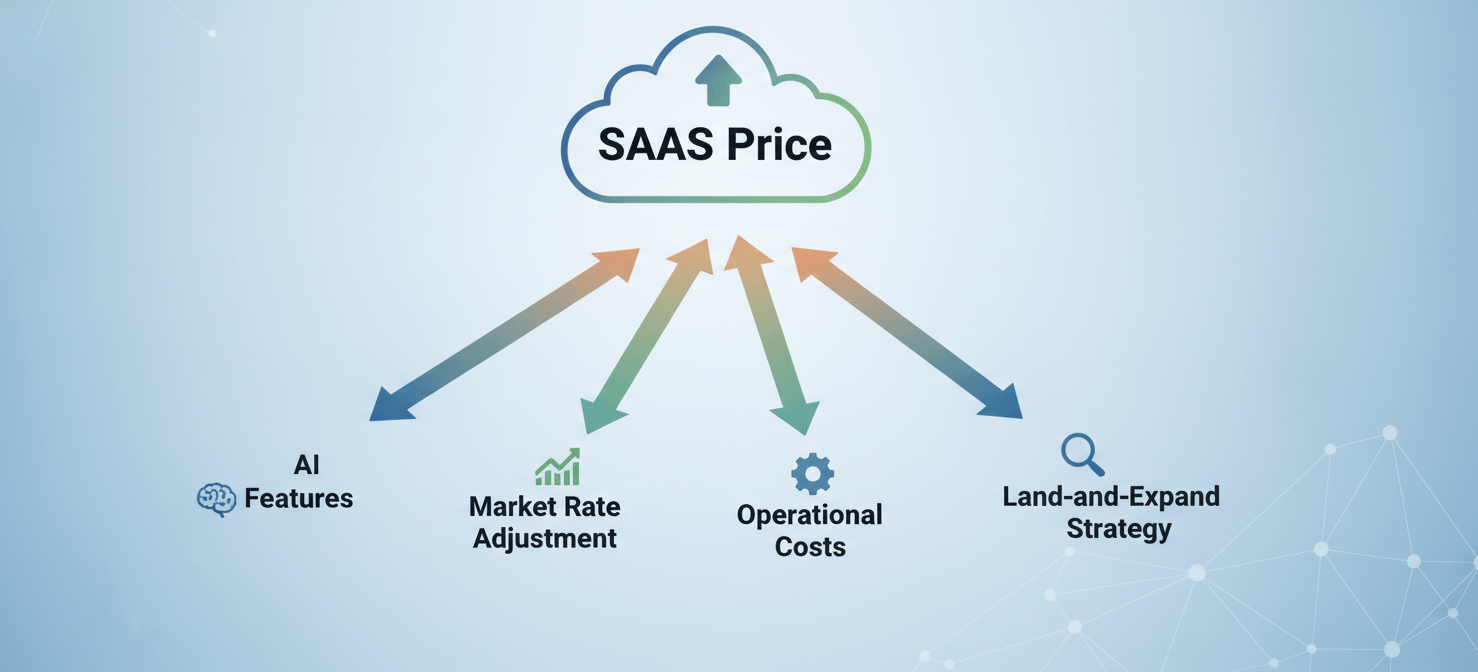
One major driver is the bundling of new features, particularly those involving artificial intelligence. Vendors invest heavily in R&D and pass those costs along, often forcing customers into higher-priced tiers that include AI functionalities, whether they use them or not. Another common reason is a simple adjustment for market rates or to cover their own rising operational costs.
Some vendors use a “land-and-expand” strategy. They offer a steep introductory discount to get you on board, only to significantly raise the price at the first renewal. This tactic relies on the high switching costs—the time, money, and effort required to migrate to a new platform—to lock customers in. Finally, some contract clauses explicitly permit vendors to increase prices with minimal notice, making it critical to review terms carefully before signing.
Your Immediate First Steps After a Price Increase Notification
Receiving a price hike notification can be jarring, but a calm, methodical response is more effective than a panicked one. Your immediate actions in the first few days can set the stage for a successful negotiation or a smooth transition to an alternative.
Step 1: Review Your Contract and Usage Data
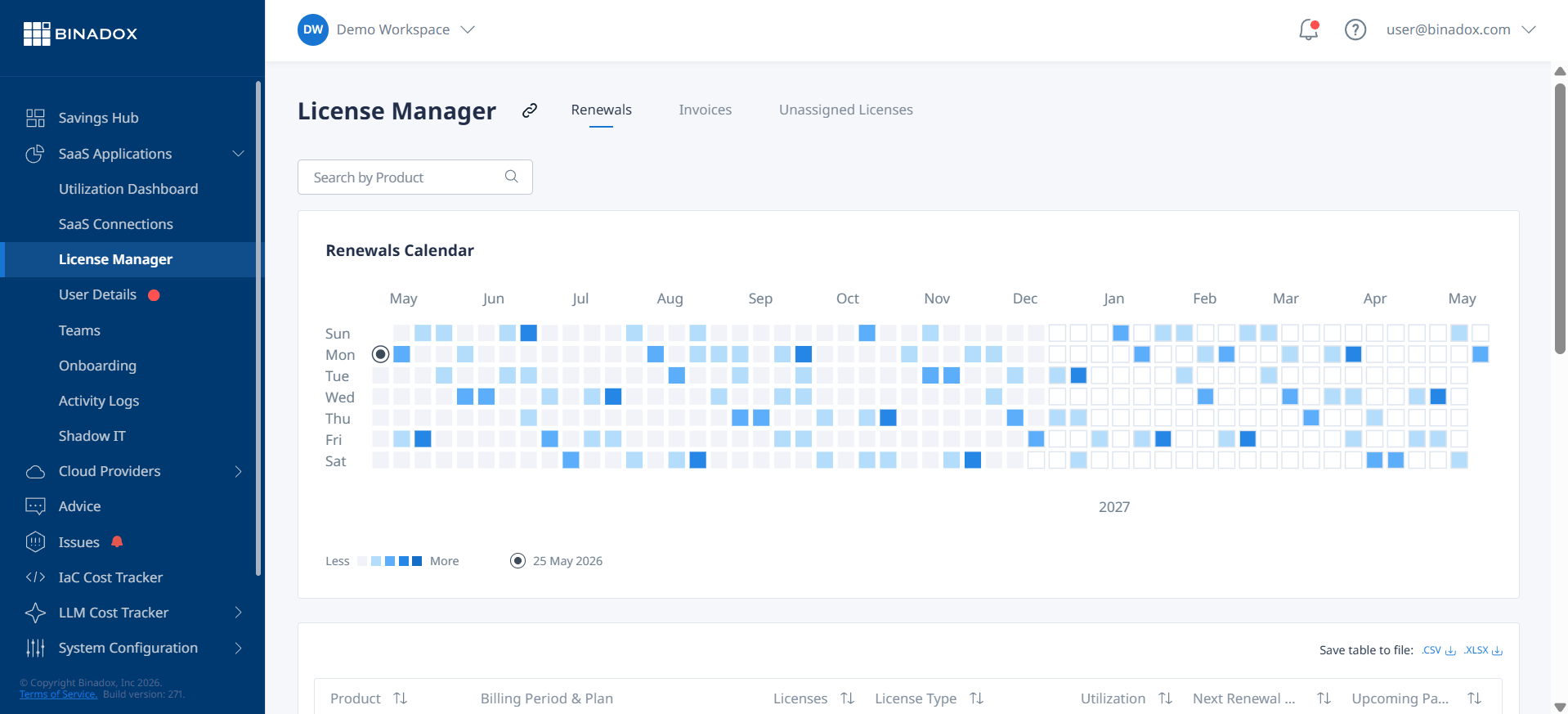
Before contacting the vendor, pull up your current contract. Scrutinize the terms related to renewals, price increases, and termination. Many agreements contain auto-renewal clauses that lock you in if you don’t provide notice within a specific window, often 30 to 90 days before the end of the term. Look for any language that caps price increases; some contracts limit annual uplifts to a certain percentage or tie them to an economic indicator like the Consumer Price Index (CPI).
Next, dive into your usage data. How critical is this tool to your daily operations? How many licenses are actively being used versus sitting idle? A SaaS management platform or internal audit can reveal if you’re overpaying for unused seats. Understanding your team’s actual adoption and engagement levels provides powerful data for negotiating a lower price or right-sizing your subscription.
Step 2: Assess the Tool’s ROI and Business Impact
Quantify the value the software brings to your organization. A return on investment (ROI) analysis helps determine if the tool’s benefits justify its new, higher cost. Calculate ROI by comparing the net profit or value gained from the tool against its total cost. This includes not just the subscription fee but also implementation, training, and maintenance costs.
Consider both quantitative and qualitative benefits. Does the software increase revenue, improve productivity, or reduce operational costs? For example, a project management tool that saves each team member five hours per week has a clear, quantifiable impact. This value-based assessment is crucial for deciding whether to absorb the cost, negotiate, or seek alternatives.
How to Handle SaaS Price Increases Through Negotiation
Armed with data on your contract, usage, and ROI, you are now prepared to engage the vendor. Most SaaS providers expect to negotiate and often build a buffer into their pricing for this reason. A strategic approach to managing SaaS cost inflation can often lead to a more favorable outcome.

Building Your Negotiation Strategy
First, define your goals. Are you aiming for a complete reversal of the price hike, a smaller increase, or better terms on a multi-year deal? Next, identify your “Best Alternative to a Negotiated Agreement” (BATNA). This means researching competing products, getting quotes, and understanding the costs and timeline of a potential migration. Your BATNA is your walk-away point; if the vendor knows you have a viable alternative, your negotiating power increases significantly.
Timing is also critical. Sales representatives have quotas, and they are often more flexible toward the end of a quarter or fiscal year. Starting the conversation well in advance of your renewal deadline prevents you from negotiating under pressure.
Key Levers to Pull in SaaS Renewals
When negotiating SaaS renewals, don’t focus solely on the subscription fee. Several other contract elements can be adjusted to create value.
- Renewal Price Caps: One of the most important protections is a cap on future price increases. Negotiate a clause that limits annual uplifts to a fixed percentage (e.g., 3-5%) or ties it to inflation.
- Payment Terms: Ask about discounts for annual prepayment versus monthly billing. If cash flow is a concern, you might prefer the flexibility of quarterly payments even without a discount.
- License True-Downs: For usage-based contracts, negotiate the right to “true-down” or reduce your license count during the contract term if your needs change.
- Multi-Year Agreements: Vendors often offer significant discounts for longer commitments. This can be a good option for business-critical tools, but only if you have a price cap in place to prevent a massive hike at the end of the term.
When to Switch Vendors (And How to Do It Smoothly)
Sometimes, a vendor won’t budge on a price increase that your budget cannot accommodate. In other cases, the price hike may simply be the final push your team needs to explore a better-fitting or more cost-effective solution. If negotiation fails, it’s time to activate your BATNA and prepare for a switch.

A successful migration requires careful planning. Start by creating a detailed project plan that outlines every step, from data export to employee training. Involve key stakeholders from different departments to ensure all needs are considered. Run a pilot program with a small group of users to identify potential issues before a full rollout.
Communicate clearly with your team throughout the process. Explain the reasons for the switch, highlight the benefits of the new tool, and provide ample training and support. While switching vendors can be disruptive, it can also lead to better features, improved workflows, and significant long-term cost savings.
Conclusion
Facing a sudden price hike from a SaaS vendor is an increasingly common challenge, but it doesn’t have to be a budget-breaker. By understanding the vendor’s motives, thoroughly analyzing your own usage and the tool’s value, and preparing a data-driven negotiation strategy, you can effectively manage these situations. The key is to be proactive, not reactive. A well-executed plan for how to handle SaaS price increases involves auditing your tools, negotiating smartly, and being ready to walk away if the terms are no longer favorable. Ultimately, this disciplined approach to vendor management protects your budget and ensures your software stack continues to serve your business goals, not just the vendor’s bottom line.
To proactively manage your SaaS portfolio and effectively counter price increases, consider how a dedicated platform can help; you can easily try Binadox free to see its capabilities, or if you prefer a guided tour, book a demo to explore its full potential for cost control.
 7-day free trial