



Chargebacks are a frustrating and costly reality for SaaS businesses. They’re not just reversed transactions; they represent a direct hit to your revenue, an increase in administrative costs, and a potential threat to your relationship with payment processors. While it’s impossible to eliminate them entirely, a strategic approach to preventing chargebacks can significantly reduce their frequency and protect your bottom line. This guide offers a proactive framework for understanding the root causes of disputes and implementing effective, preventative measures.
Key takeaways
- Clarity is King: Most preventable chargebacks stem from customer confusion. Clear billing descriptors, transparent policies, and proactive communication can stop disputes before they start.
- Smarter Subscriptions: The journey from free trial to paid subscription is a major chargeback trigger. Sending renewal reminders 5-7 days before billing can cut these disputes by over 40%.
- Technology as a Shield: Use fraud detection tools and automated dunning management to identify high-risk transactions and recover failed payments before they escalate into chargebacks.
- Make It Easy: A difficult cancellation process is a direct path to a chargeback. Ensure your cancellation flow is simpler for the customer than disputing the charge with their bank.
Understanding the “Why” Behind SaaS Chargebacks
Before you can effectively fight chargebacks, you need to understand why they happen. Unlike e-commerce, where disputes often involve physical goods, SaaS chargebacks are rooted in the nature of digital services and recurring billing.
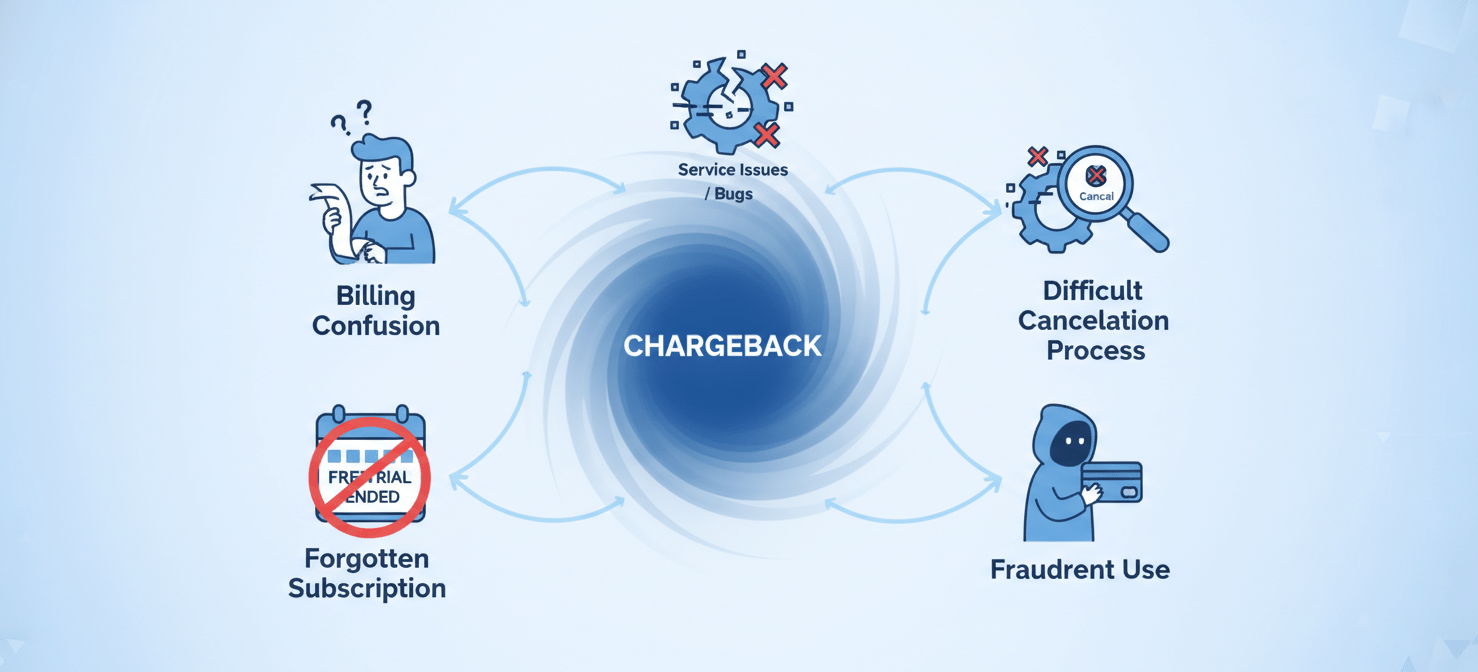
The most common reasons for SaaS chargebacks include:
- Unrecognized Transactions: The customer sees a charge on their statement from a company name they don’t recognize and assumes it’s fraudulent. This is often due to an unclear billing descriptor.
- Forgotten Subscriptions: A customer signs up for a service, perhaps with a free trial, and forgets to cancel before the paid subscription begins. When the charge appears, they dispute it. This is the single largest driver of SaaS disputes.
- Service Dissatisfaction: The customer feels the service didn’t work as advertised, experienced technical issues, or didn’t get the value they expected.
- Cancellation Confusion: The customer believes they canceled their subscription but continues to be billed. This often happens when the cancellation process is unclear or difficult.
- True Fraud: A stolen credit card is used to purchase a subscription. While less common than other reasons, it’s still a significant factor.
- Friendly Fraud: This occurs when a customer disputes a legitimate charge, either intentionally to get a service for free or out of misunderstanding. First-party fraud, which includes friendly fraud, now accounts for a significant portion of all reported fraud.
Understanding these triggers is the first step. The next is to build a system that addresses them head-on.
Crystal-Clear Communication and Billing
Confusion is the enemy of a low chargeback rate. When customers are surprised or confused by a charge, their first call is often to their bank, not to your support team. Proactive and clear communication is your best defense.
Optimize Your Billing Descriptor
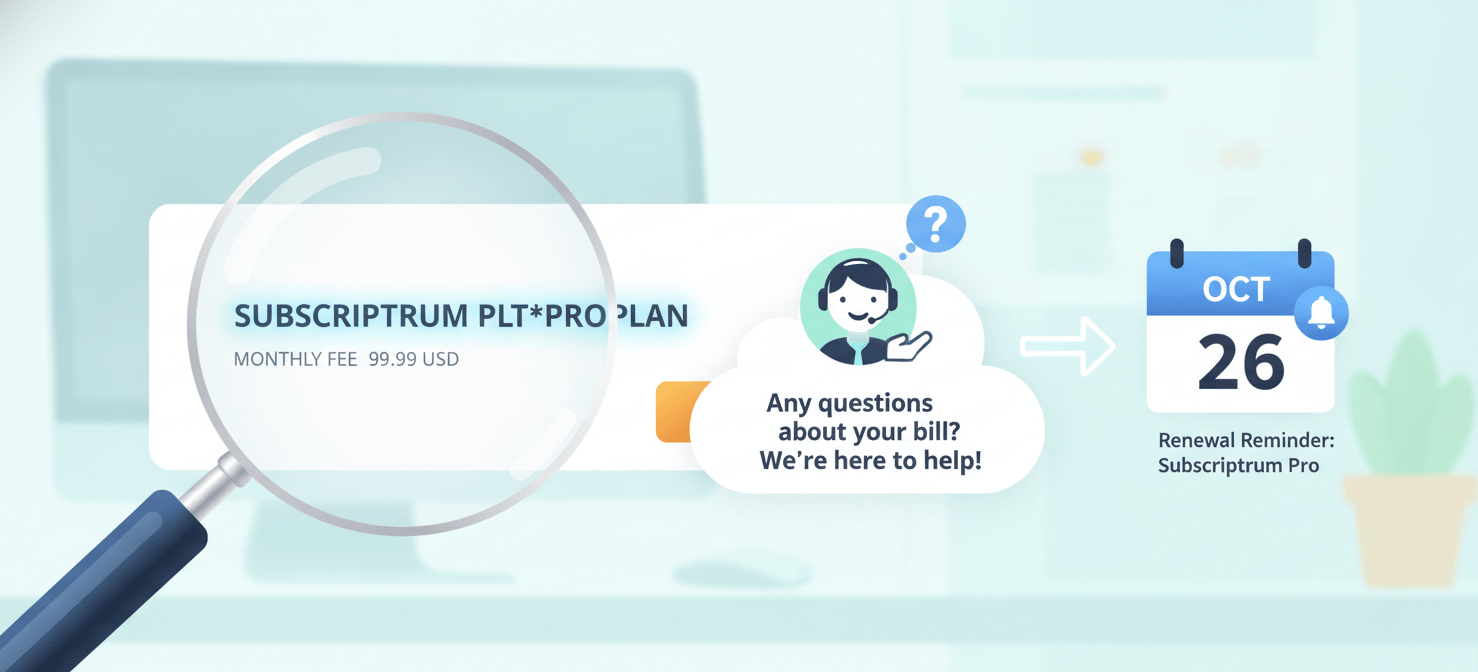
Your billing descriptor—the short text that appears on a customer’s credit card statement—is one of the most critical tools for preventing chargebacks. An unclear descriptor is a primary cause of disputes.
Best Practices:
- Use Your Product Name: Don’t use your legal entity name if customers know you by your product name. If your company is “Acme Corp” but your product is “DataSync Pro,” use the latter.
- Include a URL or Phone Number: Adding a customer service phone number or a URL to your descriptor gives customers a direct path to you for questions.
- Keep it Simple: Avoid jargon and abbreviations. The goal is instant recognition.
Transparent Pricing and Policies
Surprises lead to disputes. Ensure your pricing, terms of service, and refund policies are easy to find and understand before a customer makes a purchase.
- Accessible Refund Policy: While not always legally required for SaaS, a clear refund policy builds trust. Outline the exact circumstances under which a customer can get a refund and how to request one. Place links to it in your website footer and on the checkout page.
- Proactive Renewal Notices: Forgetting about an upcoming renewal is a major reason for disputes, especially for annual subscriptions. Send an email reminder 5-7 days before any recurring charge. This email should clearly state the amount, the charging date, and provide a simple link to manage or cancel the subscription.
Smart Subscription and Trial Management
The transition from a free trial to a paid subscription is a high-risk moment for chargebacks. Many users sign up, forget, and then dispute the first charge. Managing this process carefully is essential for SaaS chargeback prevention.
The Free Trial-to-Paid Conversion
Free trials are a powerful growth tool, but they are also a significant source of disputes.
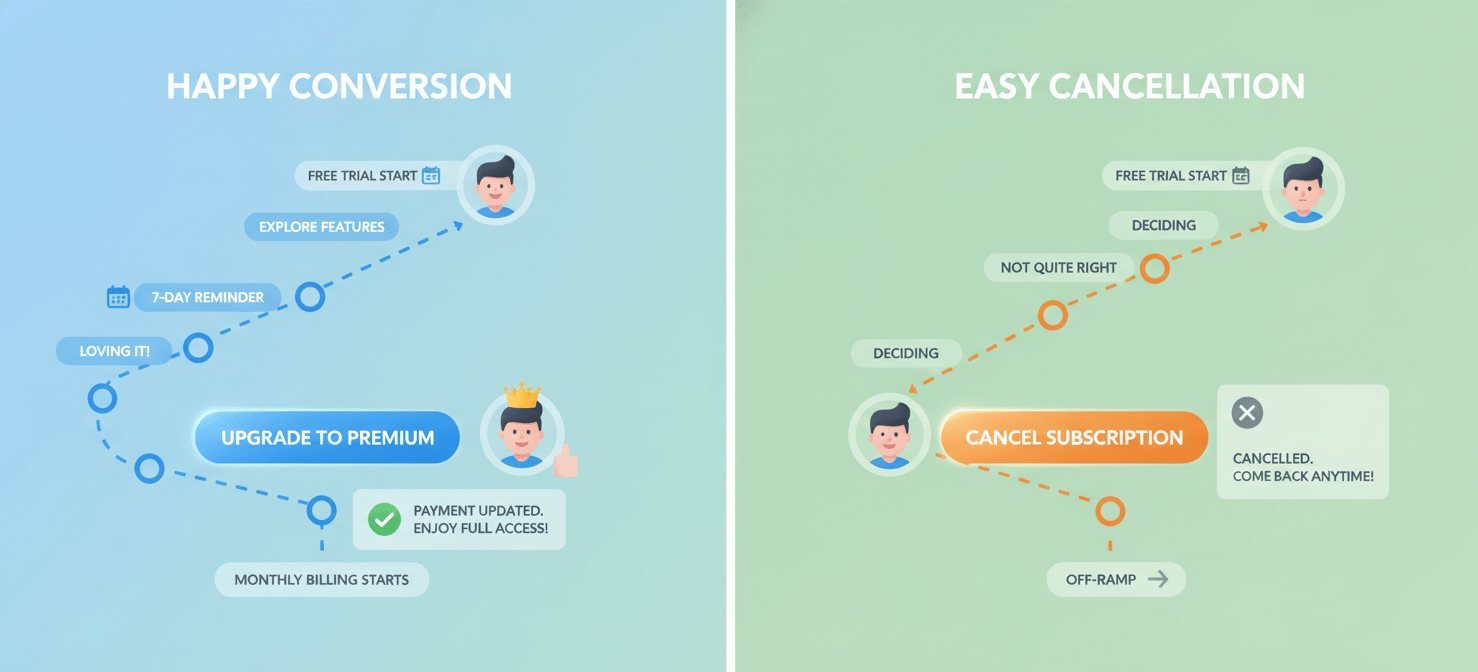
- Require a Card Upfront (Carefully): Asking for a credit card for a free trial can increase conversion rates for those who sign up, but it also increases the risk of forgotten subscriptions. If you do, you must be exceptionally clear about when the trial ends and when billing begins.
- Send Explicit Conversion Notices: Before a trial converts to a paid plan, send a dedicated email. This is not just a courtesy; it’s a core part of any strategy to reduce your chargeback rate. State the exact date and amount of the first charge.
- Make Cancellation Effortless: If a user wants to cancel during their trial, make it obvious and easy. A difficult cancellation process encourages users to solve the problem with a chargeback instead.
Dunning Management and Involuntary Churn
Not all failed payments are intentional. Involuntary churn, caused by issues like expired cards or temporary bank declines, can account for 20-40% of all churn. An effective dunning process—the practice of communicating with customers to collect overdue payments—is crucial.
- Automate Smart Retries: Before contacting the customer, automatically and silently retry the failed payment. Many soft declines are temporary, and retries alone can recover a significant percentage of failed payments.
- Empathetic Communication: Your dunning emails should be helpful, not threatening. Start with a soft tone, explain the issue, and provide a simple, one-click link to update payment details.
- Pre-Dunning: Proactively notify customers before their card on file expires. This prevents payment failures from happening in the first place.
Leveraging Technology for Preventing Chargebacks
Modern payment technology offers powerful tools for preventing chargebacks by stopping fraudulent transactions and providing early warnings for potential disputes.

Fraud Detection and Prevention
Implementing layers of security at checkout can filter out bad actors before a transaction ever occurs.
- Use AVS and CVV Checks: Address Verification Service (AVS) and Card Verification Value (CVV) checks are basic but essential tools for verifying the cardholder’s identity.
- Implement 3D Secure: Tools like 3D Secure (e.g., Verified by Visa, Mastercard SecureCode) add an extra layer of authentication, shifting the liability for fraudulent chargebacks from you to the card-issuing bank.
- AI and Machine Learning: Advanced fraud detection platforms use machine learning to analyze thousands of data points in real-time, scoring transactions for risk and blocking those that are likely fraudulent.
Chargeback Alert and Deflection Services
Several services work directly with card issuers to intercept disputes before they become formal chargebacks.
- Prevention Alerts: Services from companies like Verifi and Ethoca provide alerts when a customer initiates a dispute with their bank. This gives you a window to issue a refund and prevent the dispute from becoming a chargeback, which helps protect your merchant account health.
- Pre-Dispute Deflection: Newer tools can share transaction details directly with the card issuer’s call center or banking app. When a customer questions a charge, the bank can show them your detailed information, often clearing up the confusion and deflecting the dispute entirely.
Building a Robust Dispute Resolution Process
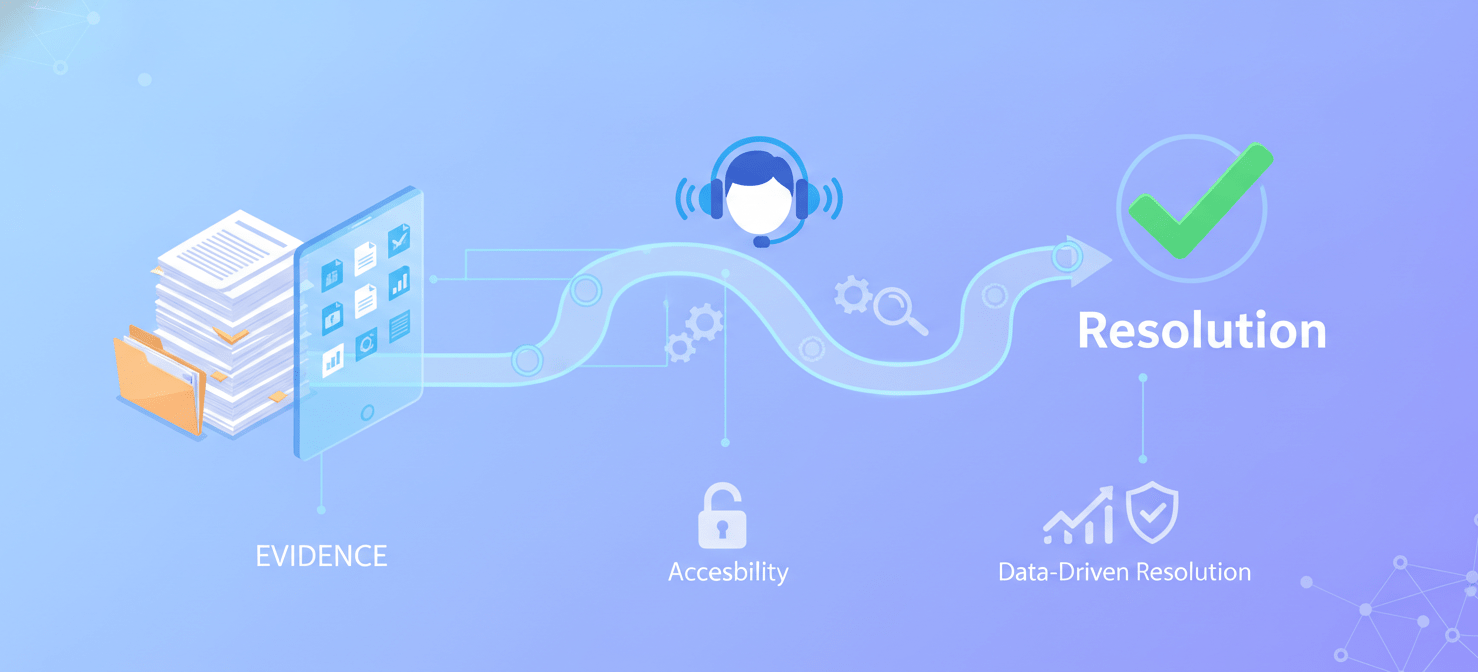
Even with the best prevention strategies, some chargebacks will still occur. How you respond is critical. A well-organized process for managing disputes can help you recover revenue and gather data to improve your prevention efforts.
Make Support Highly Accessible
When customers have a problem, they should think of contacting you first, not their bank.
- Prominent Contact Info: Your support email, phone number, and help center should be easy to find on your website, in your app, and in your transaction-related emails.
- Fast Response Times: Acknowledge support requests quickly, even if a full resolution takes more time. Customers who feel ignored are more likely to escalate their issue to a chargeback.
Respond to Every Dispute with Evidence
Ignoring chargebacks is a costly mistake. Many disputes, especially those related to friendly fraud, are winnable if you provide the right evidence.
- Gather Compelling Evidence: For SaaS, strong evidence includes server logs showing the customer accessed the service, IP address logs matching the customer’s location, email communications, and records of prior payments.
- Tailor Evidence to the Reason Code: Each chargeback has a specific reason code (e.g., “Cancelled Recurring Transaction,” “Product Not as Described”). Your response should directly address that reason with relevant proof.
- Track Your Win Rate: Monitor which types of disputes you are winning and losing. This data provides valuable insights into weaknesses in your customer communication, product, or billing processes.
Conclusion
Chargebacks are an unavoidable part of the SaaS landscape, but they don’t have to be an uncontrollable drain on your resources. By shifting from a reactive to a proactive mindset, you can build a comprehensive strategy for preventing chargebacks. It begins with demystifying your billing and communicating with absolute clarity. It continues with intelligent subscription management that guides users smoothly from trial to paid, and it’s reinforced by technology that spots fraud and intercepts disputes before they escalate. Ultimately, making it easier for a customer to talk to you than to their bank is the foundation of a successful SaaS chargeback prevention program. The goal isn’t just to fight disputes—it’s to create a customer experience so clear and fair that most chargebacks never happen in the first place.
To achieve this level of clarity and fairness, empowering your operations with the right tools is essential. You can explore Binadox with a free trial to see how it streamlines subscription management, or connect with our experts to arrange a personalized demo and discuss your specific prevention strategy.
 7-day free trial