



Getting leadership to approve IT security spending can be a significant challenge. Executives often view security as a cost center rather than a strategic investment. However, with cyber threats growing more sophisticated, you need the right resources to protect your organization’s assets, reputation, and bottom line. The key is to frame the conversation in a language that leadership understands: business risk and financial impact. This article will provide a practical framework to help you justify IT security spending and get the buy-in you need.
Key takeaways
- Frame cybersecurity not as an IT expense, but as a critical form of business risk management.
- Translate technical risks into clear business impacts, focusing on financial, operational, and reputational consequences.
- The average cost of a data breach has surged to $4.88 million, a 10% increase from the previous year.
- Use a risk-based approach, like the NIST Cybersecurity Framework, to identify and prioritize your most critical needs.
Understand Your Audience
Before you build your proposal, you must first understand your audience. The board and C-suite executives are primarily concerned with revenue, growth, and competitive advantage. They think in terms of risk management, regulatory compliance, and return on investment (ROI). A presentation filled with technical jargon about vulnerabilities and exploits will likely fail.
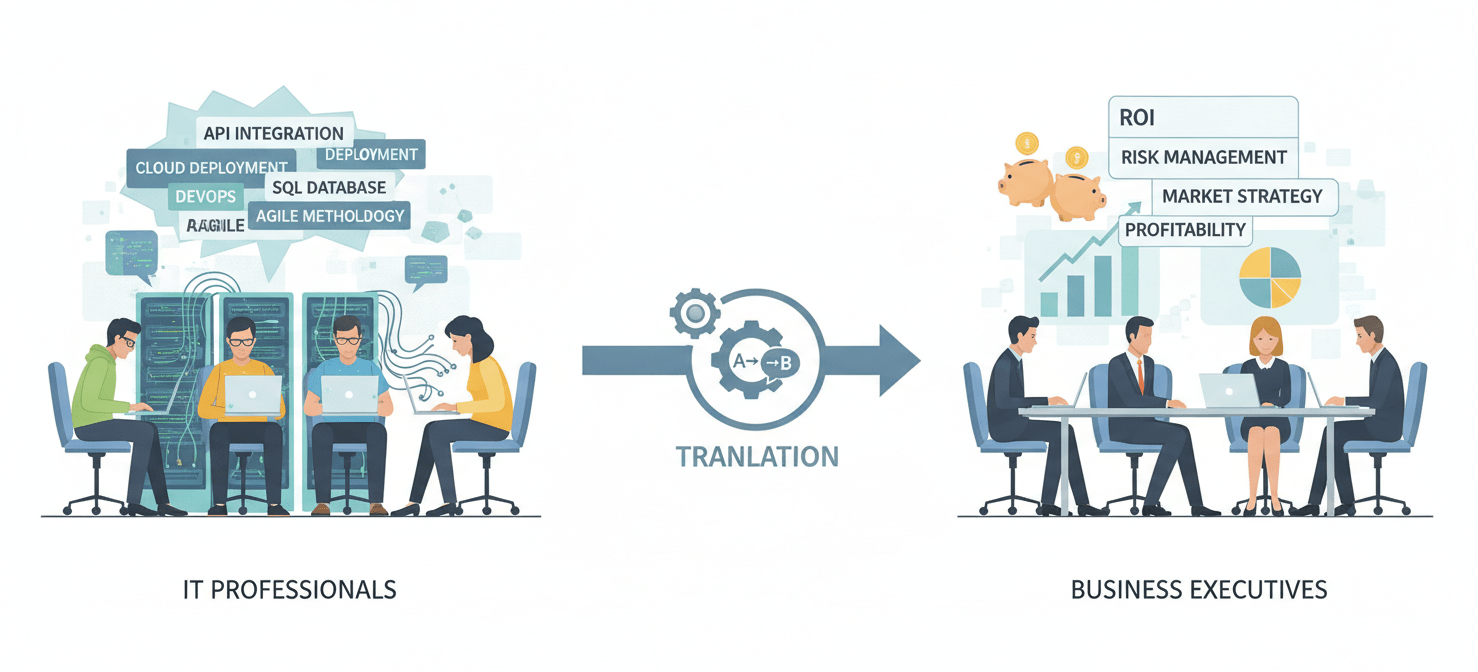
Instead, you need to connect security initiatives directly to business objectives. Your task is to translate complex technical requirements into a compelling business case. For example, instead of requesting funds for an “endpoint detection and response tool,” explain how it “reduces the risk of a ransomware attack that could halt operations and cost millions in lost revenue.”
Align with Business Goals
Work with other department leaders to understand their priorities and how security can enable their success. Show how a strong security posture can be a competitive advantage, helping to win and retain customers who value data privacy and security. When you frame your budget request as a way to protect revenue and enable growth, you shift the perception of security from a cost center to a business enabler.
Focus on Risk, Not Just Technology
A successful IT budget proposal justification is built on a foundation of risk assessment. Rather than presenting a shopping list of tools, you should present a clear picture of the organization’s risk exposure and a strategic plan to mitigate it.
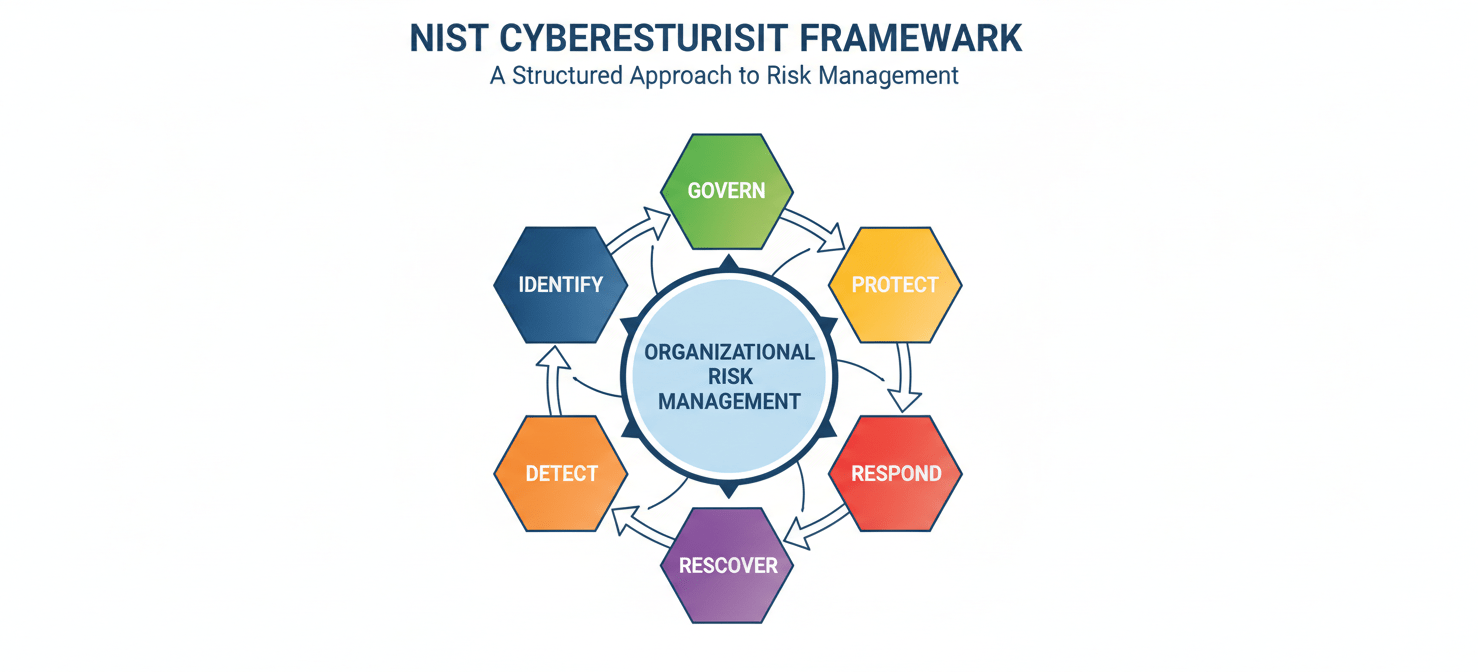
A widely adopted approach for this is the NIST Cybersecurity Framework, which provides a structured way to manage and reduce cybersecurity risk. The framework is built around six core functions: Govern, Identify, Protect, Detect, Respond, and Recover.
Conduct a Thorough Risk Assessment
Start by identifying your organization’s most critical assets, such as customer data, intellectual property, and operational systems. Next, analyze the threats and vulnerabilities that could impact these assets. This process helps you prioritize your spending on the areas of greatest risk. Presenting the results of a comprehensive risk assessment provides leadership with an evidence-based view of the current security posture and highlights the most urgent needs.
How to Justify IT Security Spending with Financials
Ultimately, your budget request needs to make financial sense. Leadership wants to see a return on investment, but for cybersecurity, the “return” is often the loss that was avoided. Quantifying this can be challenging, but it is essential for making the business case for cybersecurity.
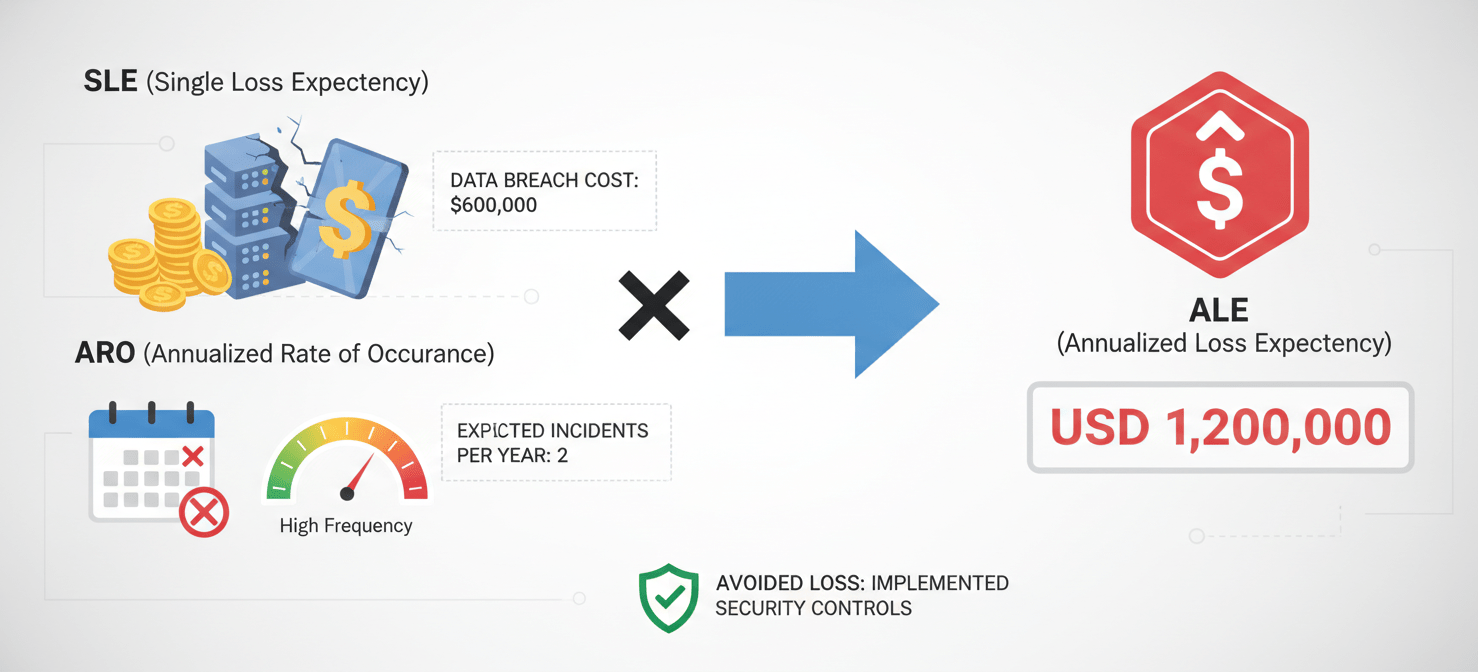
One effective method is to calculate the Annualized Loss Expectancy (ALE). This formula helps to put a dollar value on risk.
- Single Loss Expectancy (SLE): The total cost of a single incident. This includes direct costs like remediation and regulatory fines, as well as indirect costs like business disruption and reputational damage.
- Annualized Rate of Occurrence (ARO): The probability of a specific threat occurring in a year.
- ALE = SLE x ARO
By calculating the ALE for different risk scenarios, you can demonstrate the potential financial impact of inaction. For instance, the average cost of a data breach is now $4.88 million globally and $9.36 million in the United States. For healthcare organizations, this figure can exceed $9.7 million. You can then show how your proposed security investments will reduce the ALE, demonstrating a clear Return on Security Investment (ROSI).
Show, Don’t Just Tell
To make your case even more compelling, use data, real-world examples, and clear metrics. Abstract warnings about cyber threats are less effective than concrete evidence.
Leverage Industry Benchmarks and Case Studies
Compare your organization’s security spending and posture to industry benchmarks. This provides context and can show if you are under-investing compared to your peers. Use recent, high-profile data breaches in your industry as powerful examples of what can happen when security is neglected. Explain how the proposed investments would prevent a similar incident at your organization.
Use Clear, Business-Relevant Metrics
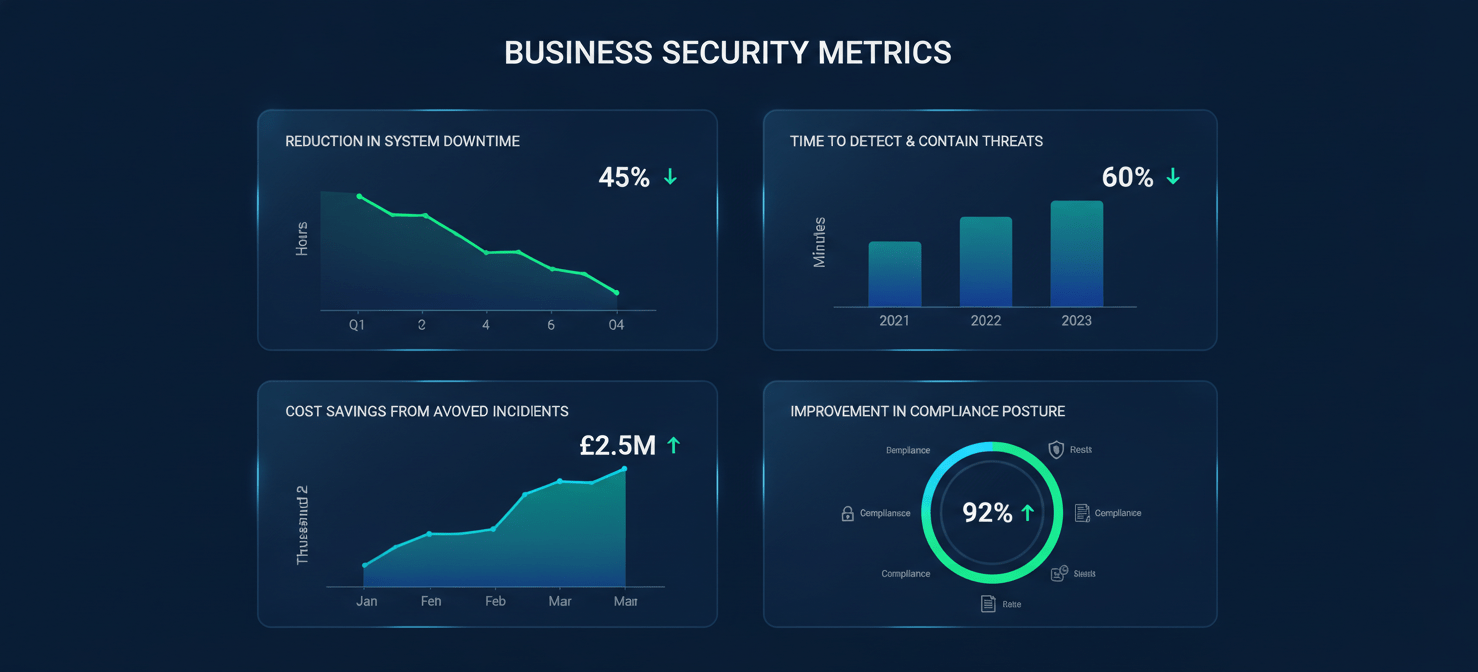
Present metrics that resonate with a business audience. Instead of focusing on the number of blocked malware attempts, report on metrics like:
- Reduction in system downtime.
- Time to detect and contain threats.
- Cost savings from avoided incidents.
- Improvement in compliance posture.
Tracking and reporting on these metrics over time demonstrates the value and effectiveness of the security program, building trust and making future budget conversations easier.
Conclusion
Securing the necessary budget for IT security requires a strategic shift in communication. You must move the conversation away from technical details and toward business outcomes. By understanding your audience, focusing on risk, and quantifying the financial impact, you can effectively justify IT security spending. Remember to present a clear, data-driven narrative that frames security not as an expense, but as a fundamental investment in the organization’s resilience and long-term success. After all, failing to invest in security is a gamble, and the stakes are simply too high to leave to chance.
To effectively implement these strategies and protect your organization’s future, consider exploring how Binadox can streamline your security operations, or perhaps you’d prefer to discuss your specific needs with an expert.
 7-day free trial