



Software is essential for modern business, but its cost is a moving target. Price increases are a fact of life, yet many organizations react to them with surprise, leading to budget overruns and strained vendor relationships. Effectively managing software price increases requires a proactive, strategic approach, not a last-minute scramble. This guide provides a comprehensive framework for anticipating, negotiating, and controlling your software expenditures to ensure you get maximum value from your investments without breaking the bank.
Key takeaways
- Proactive Management is Crucial: Start renewal conversations at least 90-180 days before the opt-out date to gain significant negotiation leverage.
- Data is Your Best Ally: Conduct regular audits of software usage to identify underutilized licenses; this data is your strongest tool in negotiations.
- Negotiate Renewal Caps Upfront: Always include contract language that limits future price increases to a specific percentage or ties them to a standard index.
- Understand the Market: Research competitor pricing to benchmark your current vendor’s rates and justify your negotiation position.
The Inevitable Reality of Software Price Hikes
Software vendors increase their prices for a variety of reasons. Understanding these factors can help you anticipate changes and better prepare for negotiations. Often, these increases are not arbitrary but are driven by broader economic and business pressures.
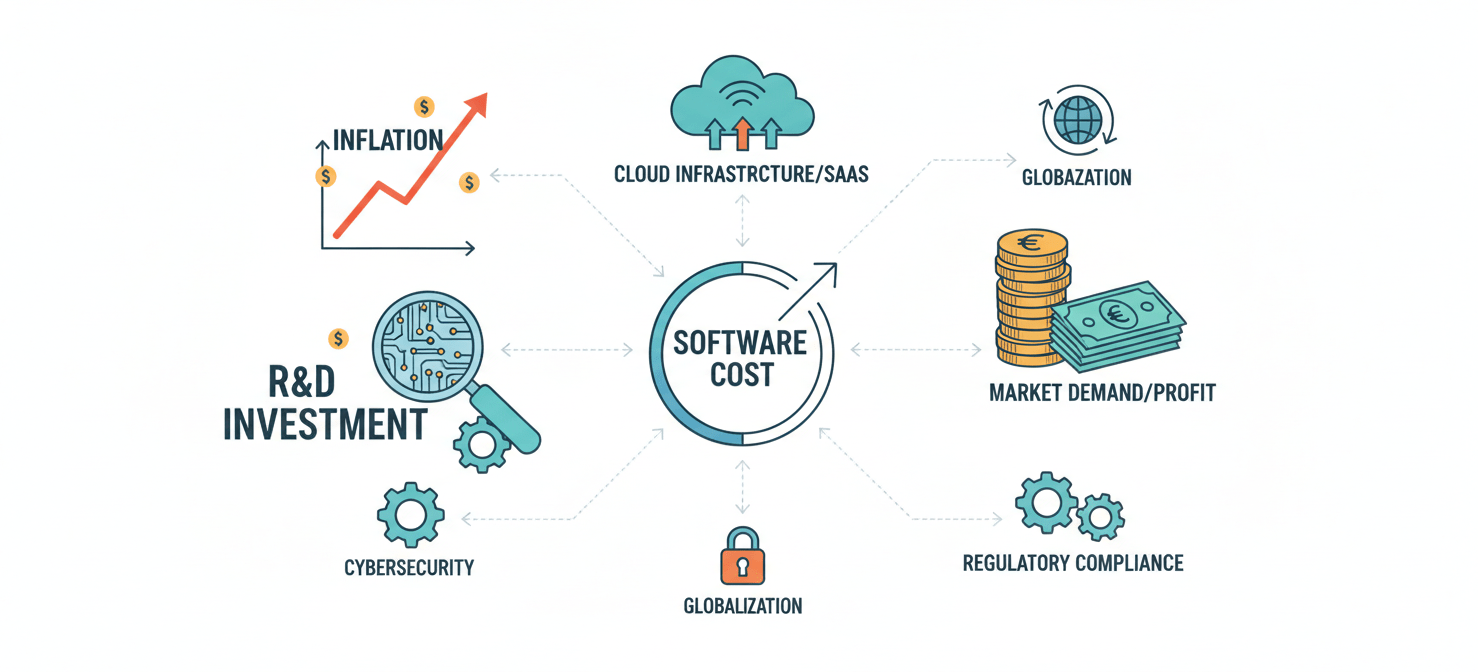
One of the primary drivers is inflation, which increases a vendor’s own costs for labor and infrastructure. For instance, the demand for skilled developers continues to outpace supply, leading to higher salaries that get passed on to customers. In 2024, nearly 90% of software companies planned to raise prices, with a median increase of 5%. This trend is compounded by rising cloud infrastructure costs, as the hardware components for servers have seen significant price jumps.
Furthermore, vendors continually invest in research and development (R&D) to enhance their products with new features, improve security, and incorporate new technologies like artificial intelligence. These improvements add value to the software, and vendors adjust their pricing to reflect this. Sometimes, new features are bundled into existing plans, leading to an effective price increase even if the base price remains the same. Finally, market dynamics and a push for higher revenue retention also play a significant role, especially as companies face pressure from investors.
Proactive Strategies for Managing Software Price Increases
The key to successfully managing software license cost increases is to move from a reactive to a proactive stance. Instead of waiting for a renewal notice to land in your inbox, your team should have a system in place to manage software assets and anticipate changes. This approach, often called Software Asset Management (SAM), provides the visibility and control needed to make informed decisions.
Establish a Centralized Software Inventory
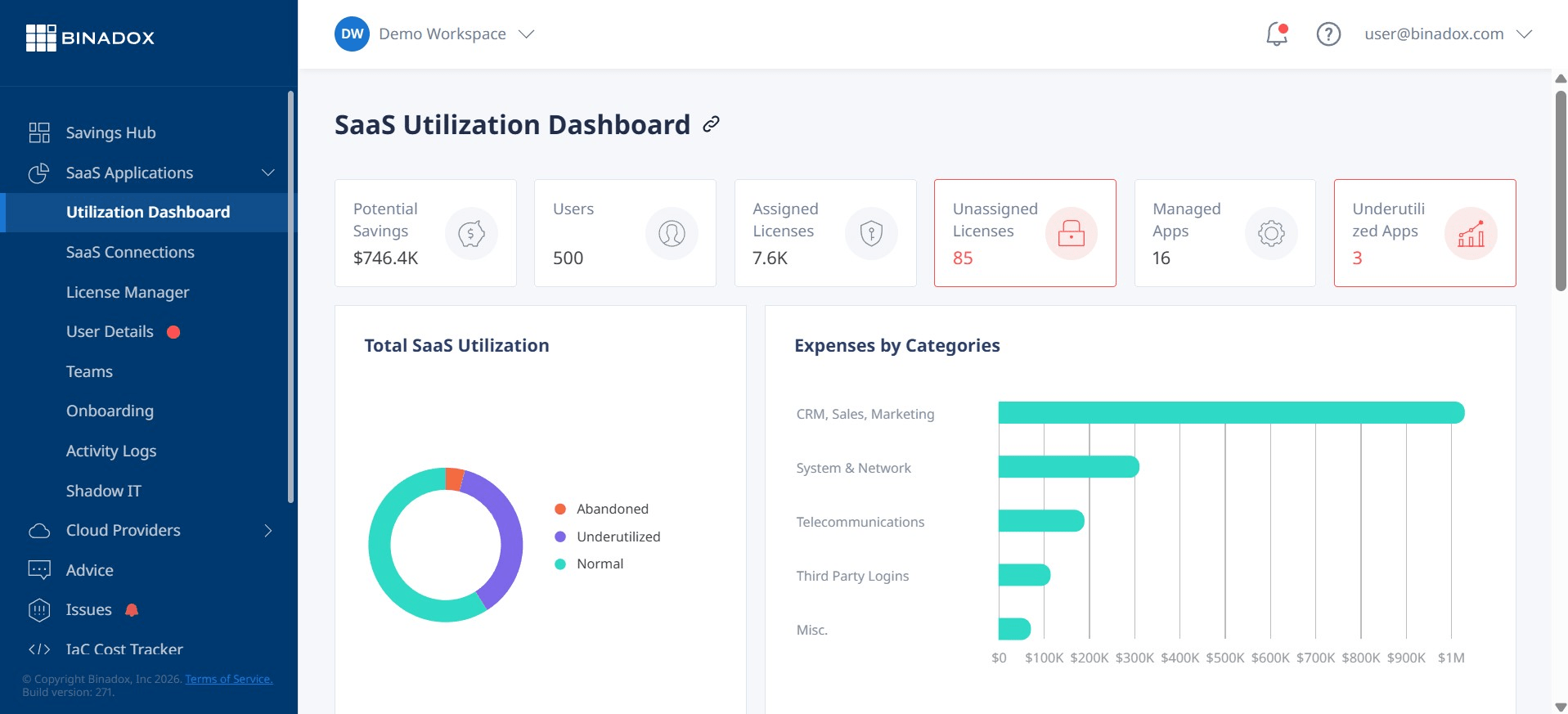
You cannot manage what you cannot see. The first step is to create a comprehensive inventory of all software used across your organization. This inventory should be more than just a list; it needs to capture critical details for each application, including:
- Contract owner and renewal dates
- Current subscription costs and pricing model (e.g., per-seat, usage-based)
- Contract terms, especially auto-renewal clauses and notice periods for cancellation
A centralized system, whether a dedicated SAM tool or a detailed spreadsheet, prevents surprises and ensures that someone is accountable for each renewal.
Monitor and Analyze Software Usage
Once you have an inventory, the next critical step is to understand how—and if—the software is being used. Many organizations overspend on licenses that are assigned but underutilized or completely unused. Tracking usage data provides concrete evidence to support your negotiation position.
For example, if a vendor proposes a 10% price hike for a tool with 200 licenses, but your data shows only 120 employees have actively used it in the past six months, you have a powerful case for right-sizing your license count rather than accepting a blanket increase. This analysis should be conducted regularly, not just in the weeks before renewal.
Create and Maintain a Renewal Calendar
A renewal calendar is a simple but essential tool for proactive management. It should track all contract end dates and, more importantly, the notification deadlines required to opt-out of auto-renewal. Many vendors require 60 or even 90 days’ notice to terminate a contract. Missing this window can lock you into another term at a higher price with no room to negotiate.
Set automated alerts well in advance of these deadlines—at least 90 to 180 days out. This buffer gives your team ample time to review usage, research alternatives, and prepare a data-driven negotiation strategy.
The Art of Vendor Price Hike Negotiation
Negotiation is a skill, and with software renewals, it’s a necessary one. Vendors often have sophisticated pricing strategies and sales teams trained to maximize revenue. However, by preparing thoroughly and understanding your leverage, you can turn a one-sided announcement into a balanced discussion.

Do Your Homework Before the Conversation
Effective vendor price hike negotiation begins long before you ever speak with a sales representative. Start by gathering all relevant information to build your case.
First, align internally with stakeholders to understand the true business value of the software. Is it a mission-critical system, or are there viable alternatives? This context helps define your walk-away point.
Second, research the market to understand what competitors are offering. Obtaining quotes from 2-3 alternative vendors provides powerful leverage, even if you have no intention of switching. This competitive intelligence transforms the conversation from “take it or leave it” to a discussion about fair market value.
Finally, review your own usage data. Come to the table with precise numbers on active licenses, feature usage, and any service issues experienced during the contract term. This data-driven approach shifts the focus to the value your organization is actually receiving.
Levers to Pull During Negotiation
Price is just one of several negotiable points in a software contract. If a vendor is unwilling to budge on the per-unit cost, consider other levers to create value for your organization.
- Contract Term: Vendors often offer significant discounts for multi-year commitments. If the software is integral to your operations, a longer term can lock in a favorable rate and protect against future increases. However, avoid this for new or unproven tools.
- Payment Terms: Pre-paying annually instead of monthly or quarterly can often unlock a discount.
- Renewal Caps: This is one of the most critical but often overlooked terms. Negotiate a clause that caps future price increases at a fixed percentage or ties them to an economic indicator like the Consumer Price Index (CPI). This prevents unpredictable, steep hikes in the future.
- Service Level Agreements (SLAs): If the price is increasing, so should the expected level of service. Negotiate for better support terms, guaranteed uptime, or faster response times.
Know When to Walk Away
Your strongest negotiation tool is your willingness to walk away. If a vendor is inflexible and the price increase is not justified by the value delivered, you must be prepared to switch to an alternative. This is why researching competing solutions early in the process is so important. It ensures you have a viable “Best Alternative to a Negotiated Agreement” (BATNA) and are not forced to accept unfavorable terms due to a lack of options.
Evaluating Alternatives and Managing Vendor Lock-In
Sometimes, a price increase is simply too high to justify. In these cases, or as a regular practice to maintain leverage, you must be prepared to evaluate and migrate to alternative solutions. This process also highlights the strategic importance of avoiding vendor lock-in from the outset.
Calculating the Total Cost of Ownership (TCO)
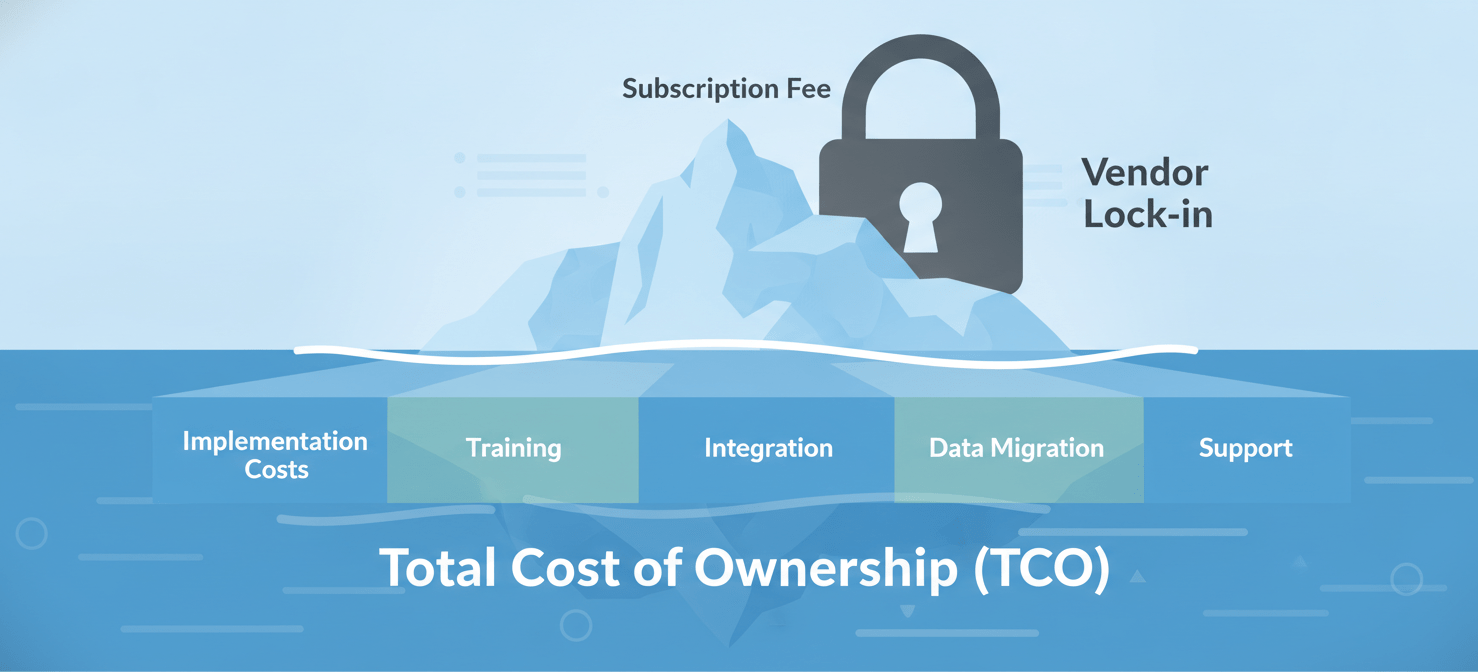
When comparing a new vendor to your incumbent, it’s crucial to look beyond the sticker price. A true comparison requires calculating the Total Cost of Ownership (TCO), which includes all direct and indirect costs associated with a piece of software over its lifecycle.
Key factors to include in a TCO analysis are:
- Initial Costs: Subscription or license fees, implementation and configuration services, and data migration expenses.
- Ongoing Costs: Annual maintenance and support fees, training for your team, and costs for necessary integrations with other systems.
- Retirement Costs: The expenses associated with decommissioning the old software and transitioning fully to the new one.
A lower subscription fee from a new vendor might look appealing, but if it comes with high implementation and training costs, the TCO could end up being higher than your current solution.
Strategies to Avoid Vendor Lock-In
Vendor lock-in occurs when switching from one provider to another is so costly or complex that you are effectively trapped. This situation dramatically reduces your negotiating power. You can mitigate this risk with several strategies.
First, prioritize vendors that use open standards and provide easy ways to export your data in a common format (like CSV or JSON). If a vendor’s data formats are proprietary, it can make migration a technical nightmare.
Second, during initial contract negotiations, pay close attention to clauses related to data portability and termination. Ensure you have the right to retrieve your data in a usable format if you decide to leave.
Finally, consider a multi-cloud or hybrid-cloud strategy for infrastructure-related services. Distributing your workloads across multiple providers prevents over-reliance on a single ecosystem and preserves your flexibility.
Long-Term Financial Planning for Software Costs
Effectively managing software price increases isn’t just about negotiation; it’s also about sound financial planning. As software spending becomes a larger portion of IT budgets, treating it with the same rigor as other major business expenses is essential. Global IT spending is projected to reach $5.61 trillion in 2025, with a significant portion dedicated to software.
Budgeting for the Inevitable
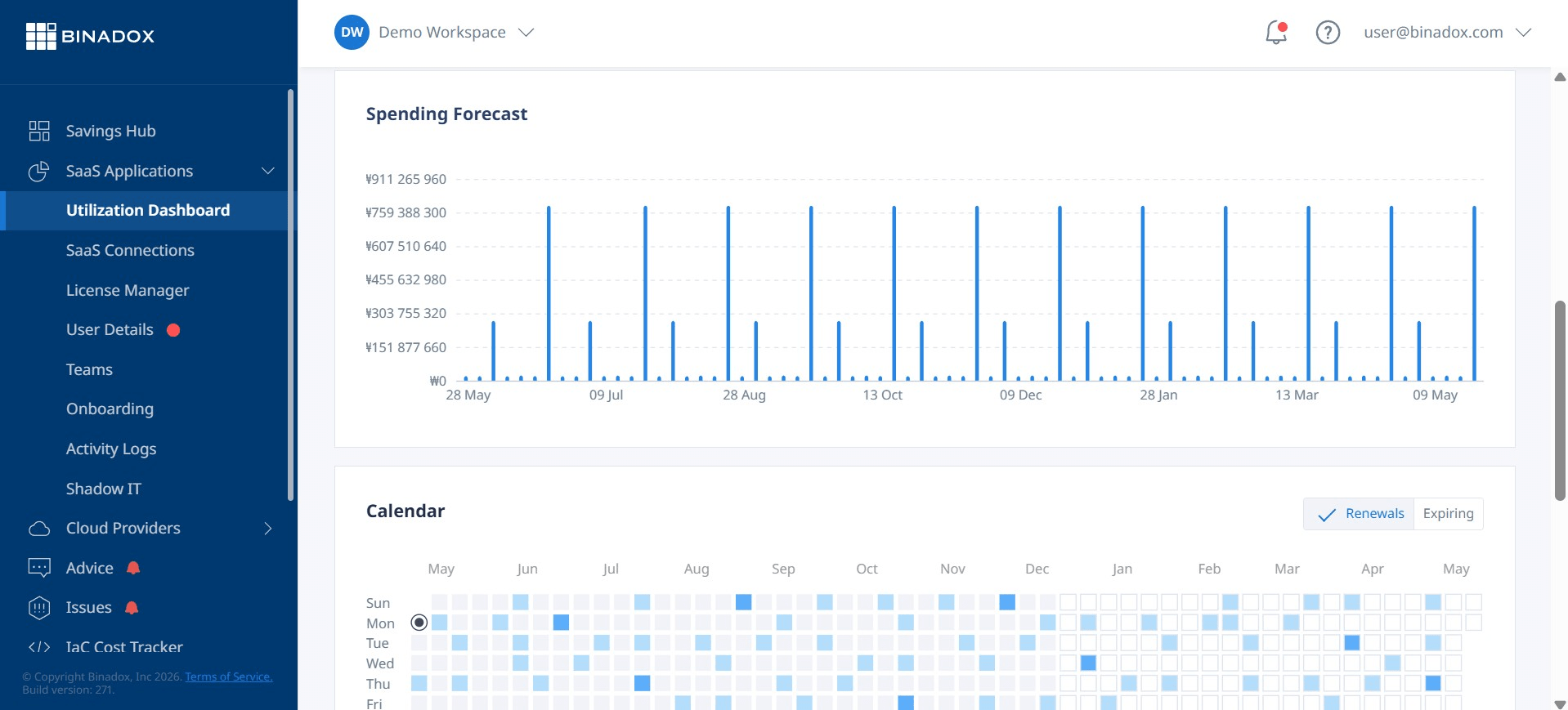
Your annual budget should account for potential software price hikes. Instead of assuming costs will remain flat, build in a buffer for increases. A conservative approach is to forecast a 5-10% average increase across your software portfolio, though some categories like design and development tools have seen much higher jumps.
This forecast should be informed by your renewal calendar and any renewal caps you’ve negotiated. For contracts without caps, review historical increases from that vendor to make an educated estimate. This proactive budgeting prevents financial surprises and demonstrates fiscal responsibility to leadership.
Building a Business Case for Software Investments
Every piece of software, whether new or a renewal, should have a clear business case that justifies its cost. This process forces stakeholders to articulate the value the tool provides, which is critical information during renewal negotiations.
A strong business case should connect the software’s features to tangible business outcomes, such as:
- Increased revenue or lead generation
- Improved operational efficiency or time savings
- Reduced risk or enhanced security and compliance
When a vendor announces a price increase, you can revisit the business case. Does the tool still deliver a positive return on investment at the new price? If not, you have a strong, data-backed reason to push back or explore alternatives. This approach ties software spending directly to business value, moving the conversation beyond just cost.
Conclusion
The era of treating software renewals as a simple administrative task is over. With software prices consistently outpacing inflation, a passive approach is a recipe for budget overruns and diminished negotiating power. Successfully managing software price increases requires a disciplined, ongoing strategy rooted in data and preparation.

By maintaining a detailed inventory, tracking usage meticulously, and starting the renewal process months in advance, you shift the balance of power. You enter conversations armed with facts, not assumptions. This allows your team to negotiate from a position of strength, secure fair terms, and ensure that every dollar spent on software delivers demonstrable value. Ultimately, managing software price increases is not just about saving money; it’s about making smarter, more strategic investments in the tools that run your business. After all, the only thing more expensive than paying for the right software is overpaying for the wrong reasons.
To truly gain control over your software expenditures and make informed decisions, consider how a dedicated platform can provide the visibility you need; you can explore Binadox’s capabilities by starting your free trial or by scheduling a demo to see it in action.
 7-day free trial