



Software-as-a-Service (SaaS) applications are essential for modern business operations, but they come with a recurring challenge: renewals. Without a proactive approach, your team can easily get caught off guard by automatic price hikes, pay for unused licenses, or miss a critical cancellation window. Effective saas renewal management turns this reactive scramble into a strategic process. It allows you to control costs, eliminate waste, and ensure every software tool your team uses delivers real value. This guide outlines a clear, four-step process to take control of your SaaS renewals and avoid unpleasant surprises.
Key takeaways
- A significant portion of SaaS licenses, often between 30% and 40%, go unused within a typical enterprise, representing a major source of wasted spending.
- Start the renewal process 90-120 days before the contract ends to allow ample time for evaluation, stakeholder feedback, and negotiation.
- Centralizing all SaaS contracts and renewal dates into a single system of record is the foundational step to prevent missed deadlines and surprise auto-renewals.
- Always negotiate terms beyond just the price; focus on renewal price caps, payment schedules, and the flexibility to adjust license counts.
The High Cost of Forgetting: Why SaaS Renewals Go Wrong
Many organizations struggle with the SaaS contract renewal process for a few common reasons. One of the biggest culprits is decentralized purchasing. When individual employees or departments buy software on their own, it creates a lack of visibility across the organization. This “shadow IT” makes it nearly impossible for finance or IT teams to get a complete picture of all subscriptions, leading to redundant tools and uncontrolled spending.
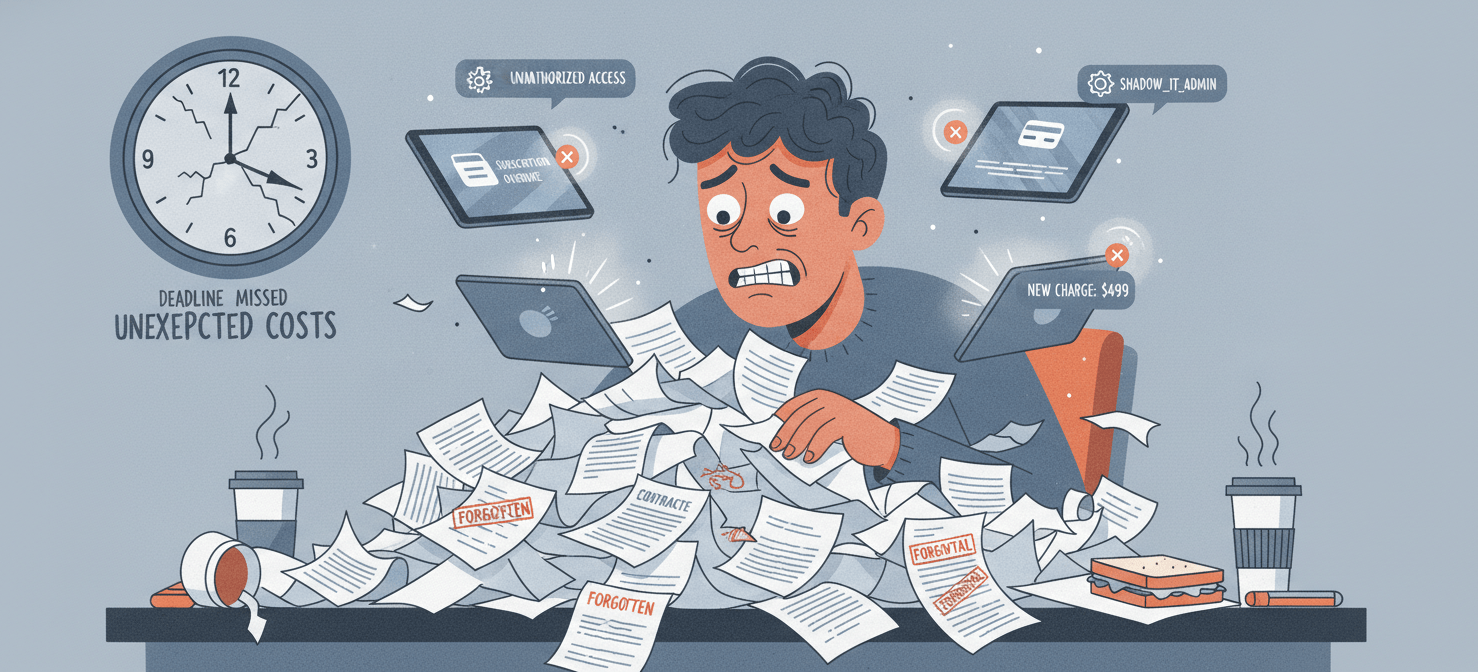
Another major issue is the prevalence of auto-renewal clauses. Vendors often structure contracts to renew automatically unless you provide notice within a specific window, which can be 60 or even 90 days before the term ends. If you miss this deadline, you are locked in for another year, often at a higher price. Without a centralized system for tracking saas renewals, these dates can easily slip by unnoticed. This reactive approach means you lose all leverage for negotiation and are forced to accept terms as they are. The result is a software budget filled with waste from unused or underutilized licenses.
Step 1: Create a Centralized SaaS Inventory
You cannot manage what you cannot see. Therefore, the first step is to get a complete and accurate inventory of every SaaS application used across your organization. This means moving beyond scattered spreadsheets, which are often out-of-date and prone to error.
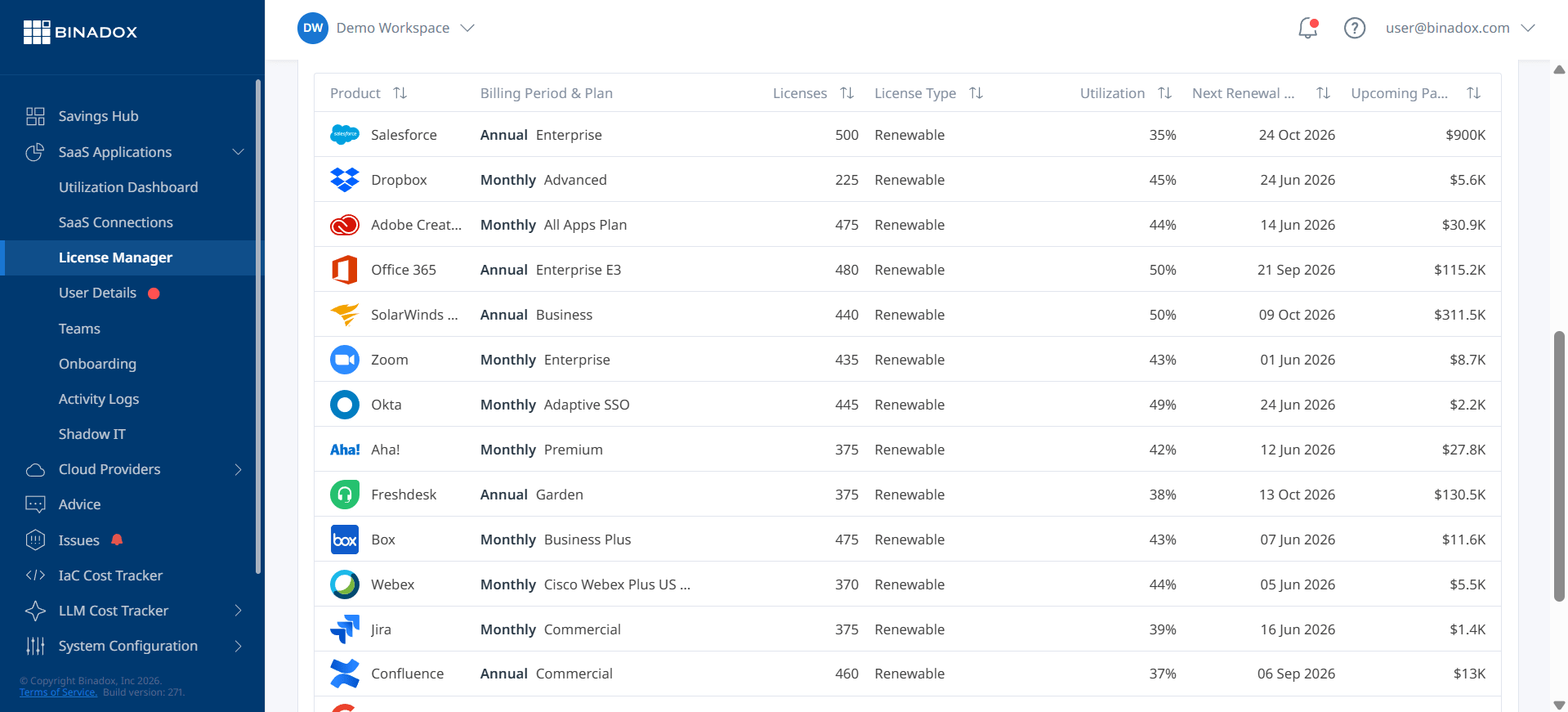
Consolidate Your Contracts
Start by gathering every SaaS contract and invoice. This information might be fragmented across email inboxes, expense reports, and different departmental budgets. The goal is to create a single source of truth. For each application, document the following key details:
- Vendor and product name
- Contract owner or primary stakeholder
- Renewal date and notification deadline
- Contract value and payment terms (monthly, annual)
- Number of licenses purchased
This process can be manual, but specialized SaaS management platforms can automate much of the discovery by integrating with your finance and identity systems. These tools provide a continuously updated dashboard of your entire SaaS stack.
Establish a Renewal Calendar
Once you have a centralized inventory, the next action is to build a renewal calendar. This calendar should highlight the critical notification deadlines for each contract, not just the final renewal date. Set automated alerts for your team at 90, 60, and 30 days out from this deadline. This proactive notification system is your safety net, ensuring no renewal ever comes as a surprise and giving your team the runway it needs to make an informed decision.
Step 2: Analyze Usage and Stakeholder Feedback
With a clear view of your SaaS portfolio, the next step is to determine which tools are actually providing value. Simply renewing every subscription is a recipe for wasted money. A staggering number of paid licenses often go completely unused. In fact, some research indicates that the average organization only uses 54% of its purchased SaaS licenses.
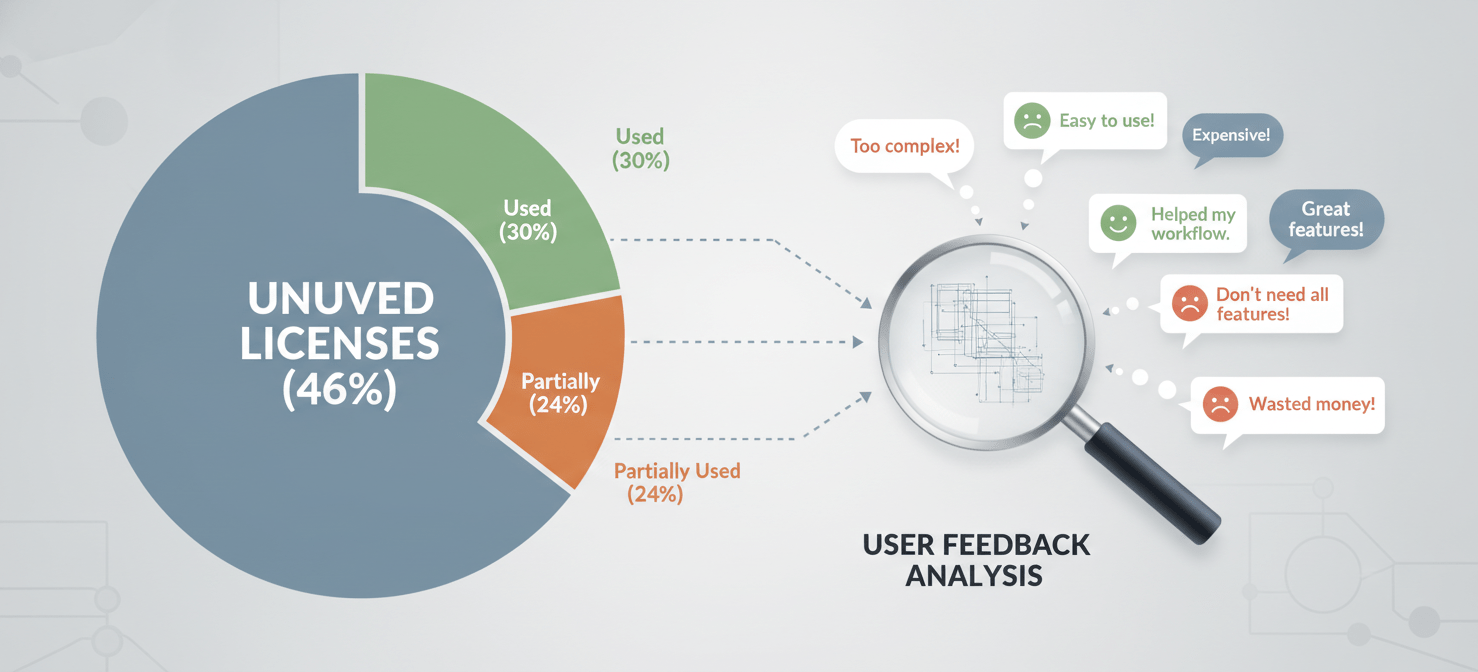
First, dive into the usage data for each application. Most SaaS platforms provide administrative dashboards with analytics on user logins, feature adoption, and overall engagement. If a significant number of licenses are inactive, that’s a clear sign you are overpaying. Identify these unused seats so you can either reassign them or, more likely, reduce your license count at renewal.
Next, gather qualitative feedback from the employees who use the software. Usage data tells you what is happening, but stakeholder feedback tells you why. Conduct brief surveys or interviews with the primary users and team leads for each tool. Ask targeted questions:
- Is this tool essential for your daily workflow?
- Are you using all of its key features?
- Does it provide a clear return on investment for your team?
- Are there any pain points or frustrations?
This feedback is crucial for understanding the true business value of an application. A tool might have high login rates but still be a source of inefficiency for your team. Conversely, a tool with lower engagement might be critical for a small but vital business function.
Step 3: Define Your SaaS Renewal Management Strategy
Armed with a complete inventory and clear data on usage and value, you can now approach each renewal with a deliberate strategy. Not every tool requires the same level of scrutiny. Your goal is to decide whether to renew, renegotiate, replace, or retire each application.
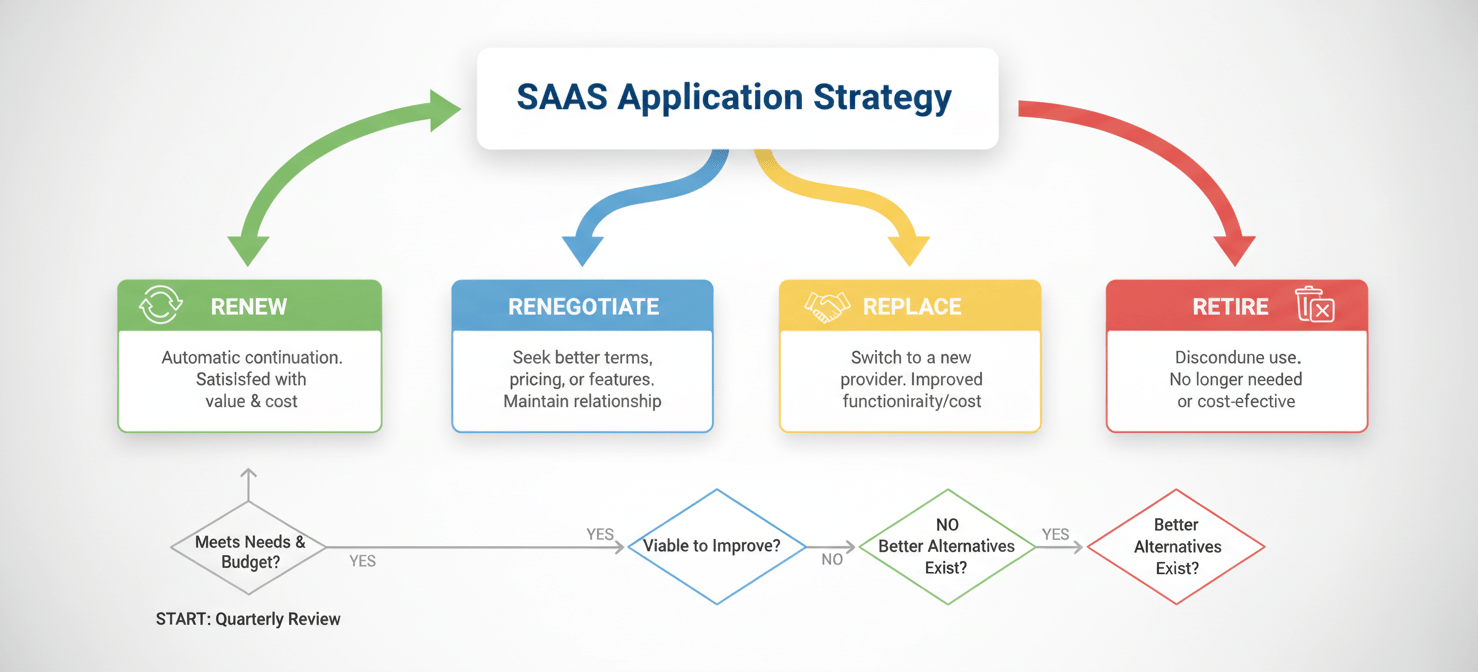
For high-cost, business-critical software with strong user adoption, the decision will likely be to renew. The focus here shifts to negotiation to ensure you are getting the best possible terms.
For applications with low usage, poor user feedback, or redundant functionality, the decision might be to retire them. Eliminating these unnecessary tools is the fastest way to cut waste from your software budget. In cases where a tool is valuable but too expensive or not a perfect fit, you should explore alternatives. Researching competitor pricing and features can give you significant leverage, whether you decide to switch vendors or renegotiate with your current one.
This strategic approach to the saas contract renewal process ensures that your decisions are driven by data, not by default. It transforms renewals from a passive administrative task into an active opportunity for cost optimization and strategic alignment.
Step 4: Negotiate and Execute the Renewal
Negotiation is where a proactive saas renewal management process pays off. Because you started the process early, you are not negotiating against a tight deadline. You have time, data, and a clear understanding of your needs, which puts you in a position of strength.
Leverage Your Data
Begin your conversation with the vendor well before the notification deadline. Use the usage data you collected to your advantage. If your team is only using 60 of the 100 licenses you pay for, use that as a clear justification for right-sizing your contract. Don’t be afraid to ask for pricing that reflects your actual needs.
Negotiate More Than Just Price
While securing a lower price is a key goal, it shouldn’t be your only one. Focus on other important contract terms:
- Renewal Price Caps: Negotiate a clause that limits how much the vendor can increase the price at future renewals, typically in the 3-5% range.
- Payment Terms: Annual prepayments often come with discounts compared to monthly or quarterly billing.
- Flexibility: Ask for the ability to adjust license counts up or down during the contract term, not just at renewal.
By engaging early and being prepared with data, you can often secure a much more favorable agreement. Once you’ve reached a deal, document the new terms and update your central inventory immediately so you’re prepared for the next cycle.
Conclusion
Ignoring your software renewals is like letting small leaks drain your budget over time. The costs add up through unused licenses, surprise price increases, and contracts that no longer fit your needs. By implementing a structured saas renewal management process, you can stop the waste. It begins with creating a complete inventory and moves through analyzing usage, defining a clear strategy, and negotiating from a position of strength. This disciplined approach turns a recurring administrative headache into a strategic financial advantage, ensuring every dollar you spend on software is a dollar well spent. After all, paying for software nobody uses is a particularly uninspired way to burn through cash.
To truly master your SaaS spending and transform renewals into a strategic asset, consider exploring a dedicated platform like Binadox. You can discover how Binadox helps by trying it free or scheduling a quick demo with our team.
 7-day free trial