




The move to the cloud offers incredible flexibility. However, this flexibility can lead to significant security gaps. Developers and data analysts, often with the best intentions, can spin up databases to get their work done faster. When these resources are created outside of IT’s view, they become “Shadow IT.” This creates a hidden, unmanaged landscape of risk. Addressing the challenge of public cloud SQL instances is not just about control; it’s about enabling the business to move quickly without exposing sensitive data to the world.
Key takeaways
- Widespread Hidden Risk: A large enterprise can have over 1,200 cloud services in use, with over 98% of them being Shadow IT.
- Four-Step Mitigation: A clear, four-step process of discovery, risk assessment, policy enforcement, and continuous monitoring can bring unsanctioned databases under control.
- Significant Financial Impact: Shadow IT can consume 30-40% of an enterprise’s IT budget, leading to redundant tools and wasted resources.
- Data Exposure is Common: Misconfigurations are a leading cause of data breaches in the cloud, often stemming from resources like SQL databases being made publicly accessible.
What Is a Public Cloud SQL Instance?
A public cloud SQL instance is a database service, like Google Cloud SQL, that is configured to be accessible from the public internet. Instead of being restricted to a private network, anyone with the right credentials (and sometimes, without any) can attempt to connect to it.
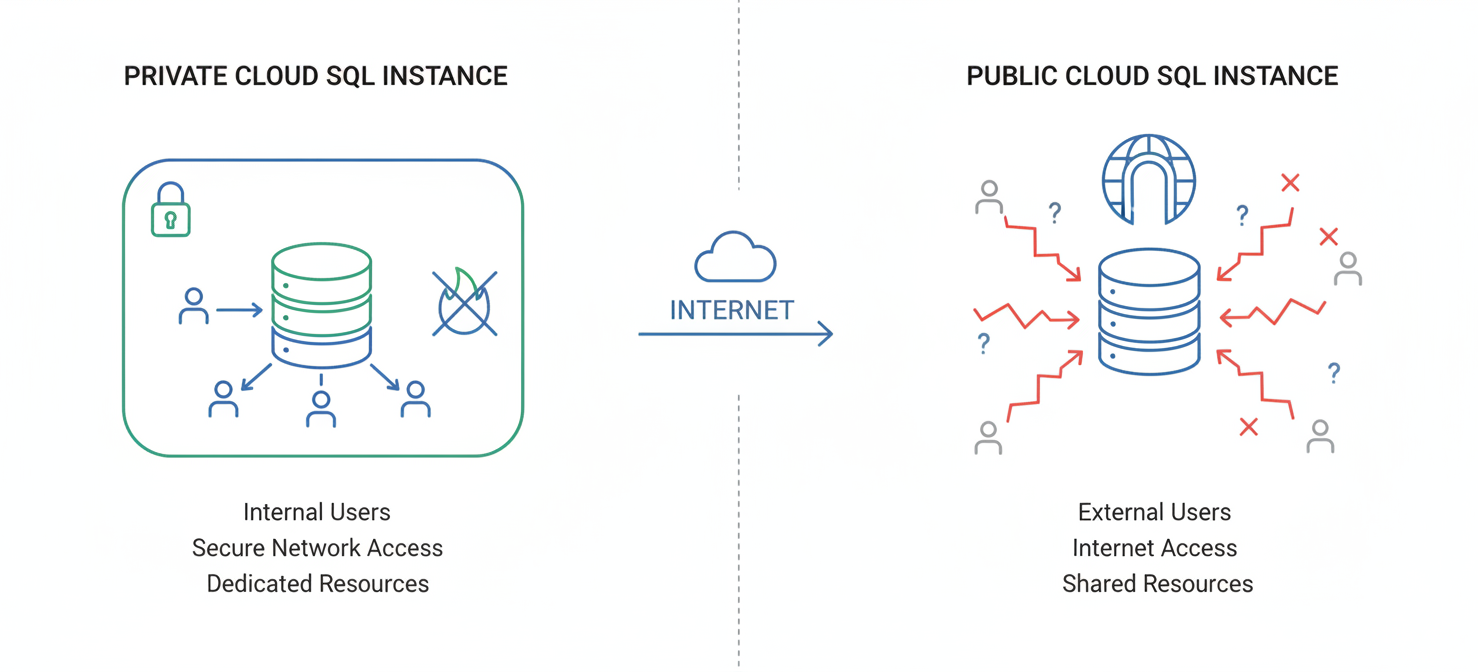
Cloud providers offer managed SQL services that simplify database administration. For example, they handle tasks like patching, backups, and replication. This ease of use is a major benefit. However, it also makes it simple for an employee to create a new database instance in minutes. If that employee isn’t a security expert, they might choose default settings that leave the database exposed.
Common Scenarios
- Development and Testing: A developer needs a quick database for a new application. They create a public instance to easily connect from their home network, intending to secure it later.
- Data Sharing: A data analyst wants to share a dataset with an external partner. They load it into a cloud SQL database and open it to the internet for easy access.
- Application Deployment: A team deploys a new application using a managed database. They misconfigure the network settings, accidentally leaving the database port open to all traffic.
In each case, the user’s goal is efficiency. The problem is that these actions happen without the knowledge or oversight of the central IT and security teams.
How Do Public Cloud SQL Instances Create Shadow IT?
Shadow IT refers to any technology, software, or service used within an organization without explicit approval from the IT department. It’s a persistent challenge; research shows 80% of employees admit to using non-sanctioned applications at work. Public cloud SQL instances are a prime example of this phenomenon.
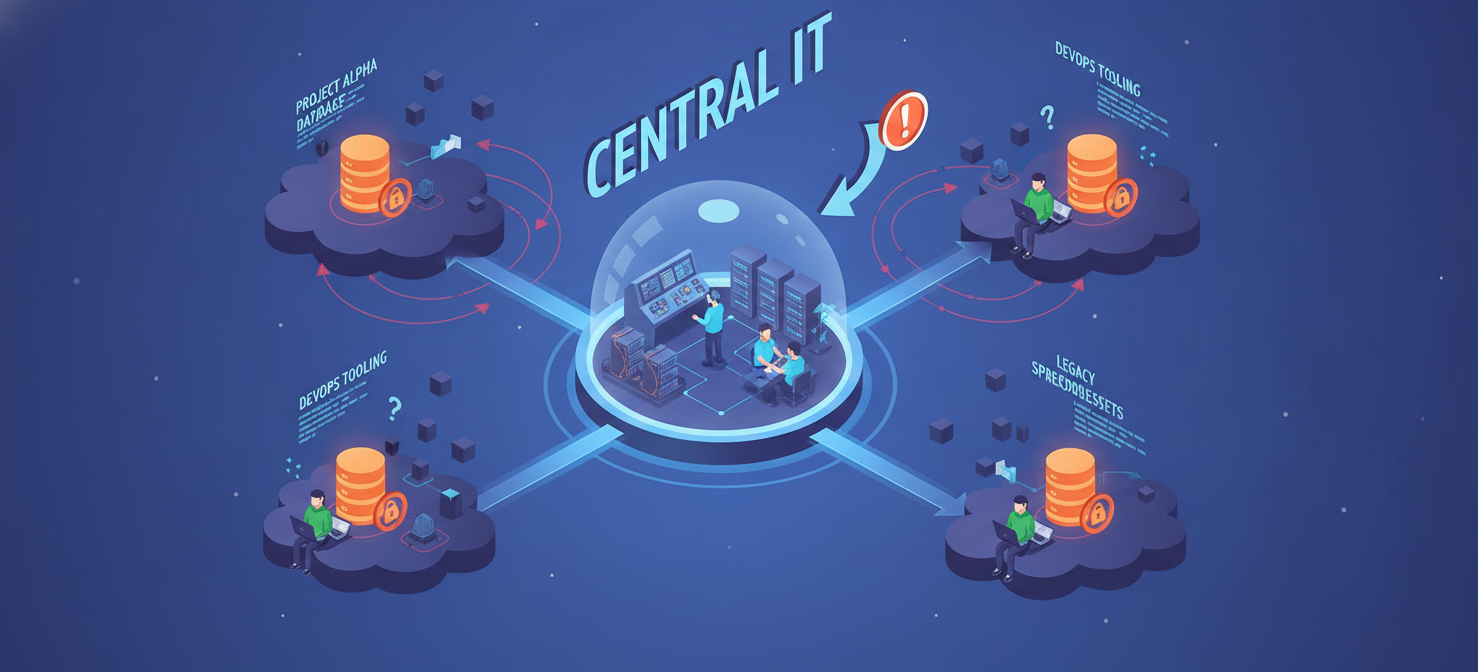
The reasons for this are straightforward. IT departments can sometimes be slow to provision resources. When a team faces a deadline, waiting for official approval can feel like a roadblock. Spinning up their own database in the cloud is a fast solution. This is especially true in organizations that encourage a “you build it, you run it” culture but haven’t implemented the necessary security guardrails.
Furthermore, the decentralized nature of cloud accounts contributes to the problem. If individual teams or business units have their own cloud budgets and accounts, it becomes very difficult for a central IT team to track all the resources being created. This leads to a sprawling, invisible infrastructure where security policies are not enforced.
What Are the Risks of Unmanaged Public Cloud SQL Instances?
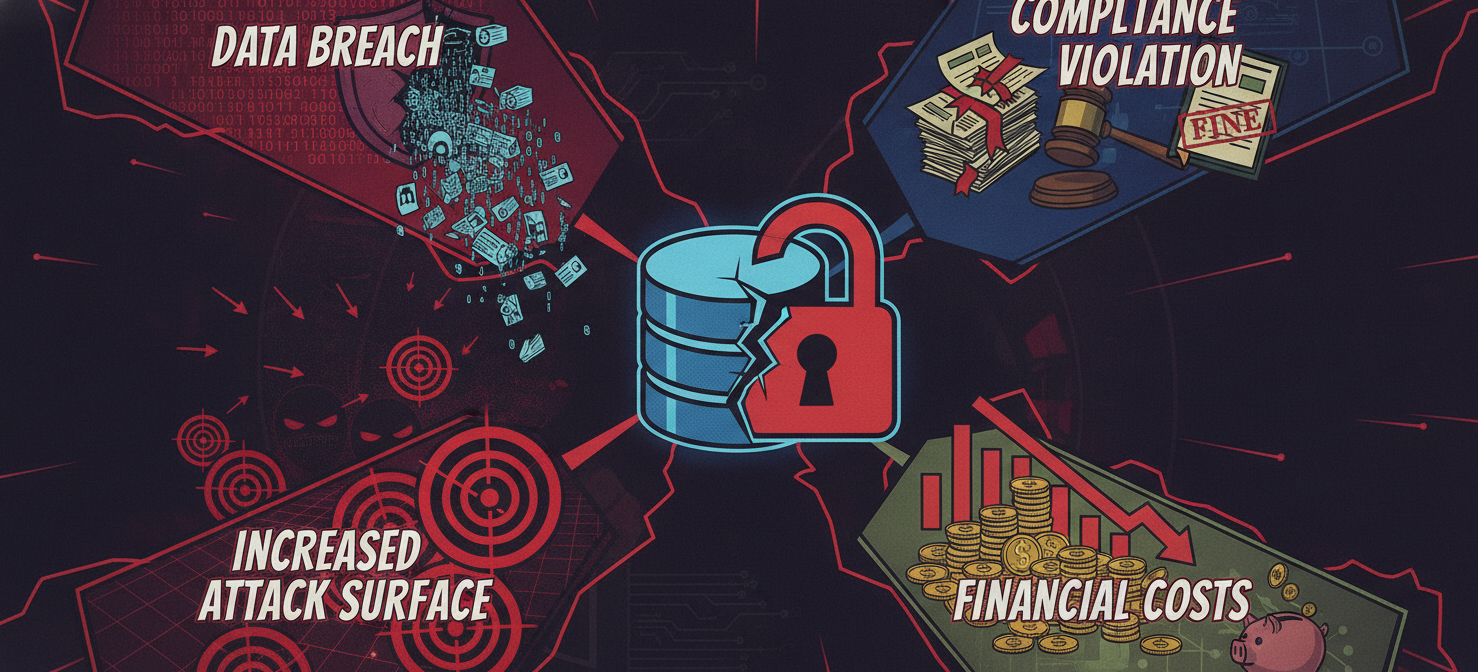
Data Breaches and Sensitive Data Exposure
This is the most obvious and damaging risk. A publicly exposed SQL database is a clear target for attackers. Common vulnerabilities like those listed in the OWASP Top 10, such as SQL injection and security misconfiguration, become much easier to exploit. If an instance is left open without strong passwords or with known vulnerabilities, attackers can potentially access, modify, or steal sensitive customer data, financial records, or intellectual property.
Compliance and Regulatory Violations
Many industries are governed by strict data protection regulations like GDPR, HIPAA, or PCI DSS. A core requirement of these standards is knowing where sensitive data is stored and ensuring it is properly secured. Shadow IT databases make this impossible. An unmanaged public SQL instance containing personal data can lead to a direct violation, resulting in significant fines and reputational damage. For instance, under GDPR, such a breach can trigger fines of up to 20 million Euros.
Increased Attack Surface
Every publicly accessible system adds to your organization’s attack surface. Each unmanaged database is a potential entry point for attackers that is not being monitored by your security team. It won’t have standard security measures like logging, intrusion detection, or vulnerability scanning applied to it. This makes it a weak link in your overall security posture.
Financial and Operational Costs
Shadow IT also carries a financial burden. Organizations often end up paying for redundant or unused cloud resources. An abandoned development database can continue to incur costs for months without anyone noticing. Operationally, if an application relies on an unofficial database and that database fails, there are no established support procedures to fix it, leading to unexpected downtime.
How to Discover and Remediate Public Cloud SQL Instances
Tackling the problem of shadow public cloud SQL databases requires a systematic approach. You cannot protect what you do not know exists. The process involves four key phases: discovery, assessment, remediation, and monitoring.
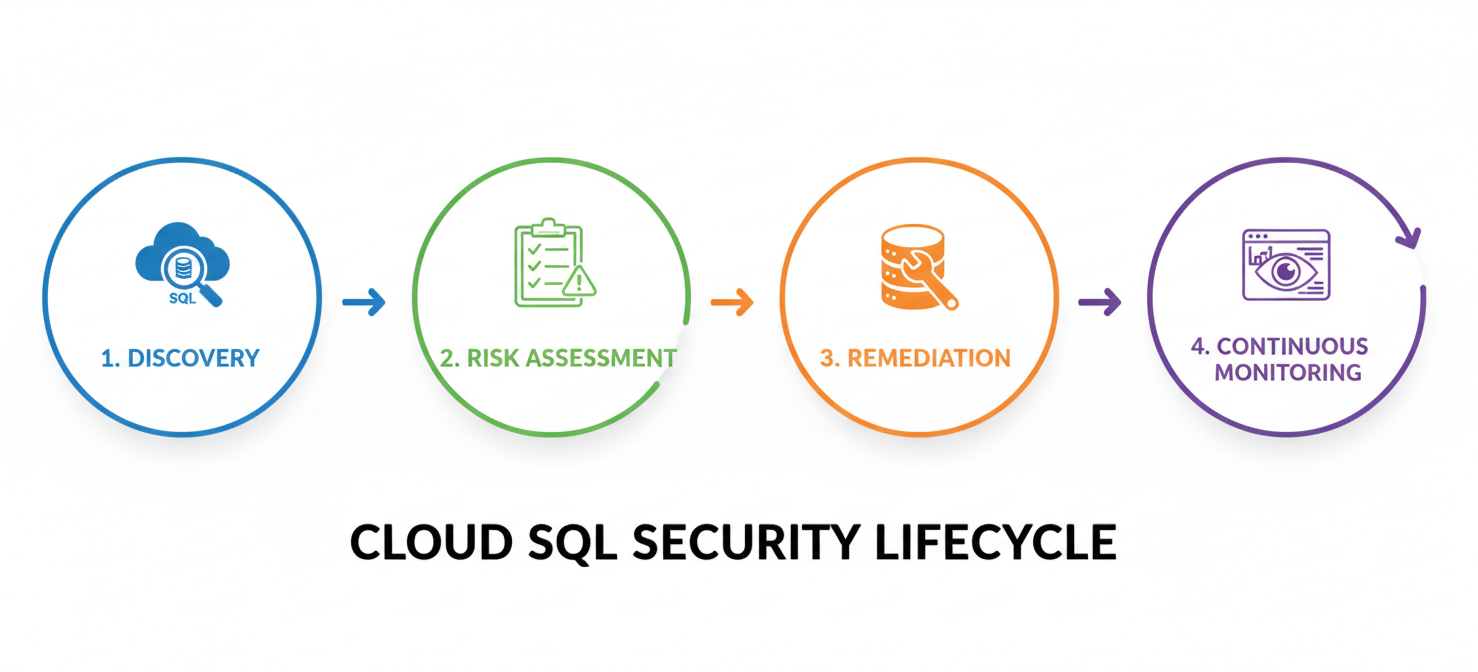
Phase 1: Discovery
The first step is to find all the cloud resources currently active in your organization’s environment.
- Use Cloud Security Posture Management (CSPM) Tools: These tools are designed to connect to your cloud environments (like AWS, Azure, and Google Cloud) and inventory all assets. They can automatically identify databases and their network configurations.
- Analyze Network Traffic: Monitor network logs to identify traffic going to known cloud database endpoints. This can help you spot connections from your corporate network to unsanctioned services.
- Review Billing and Expense Reports: Analyzing departmental cloud bills and employee expense reports can often uncover subscriptions to unapproved services.
Phase 2: Risk Assessment
Once you have an inventory, you need to determine the risk level of each discovered instance.
- Identify Data Sensitivity: Determine what kind of data each database holds. Is it public information, internal development data, or sensitive customer PII?
- Check Configuration: Is the database actually accessible from the public internet (e.g., configured to listen on 0.0.0.0/0)? Does it require strong authentication? Is encryption enabled?
- Scan for Vulnerabilities: Use automated scanners to check for common vulnerabilities, such as outdated database versions or missing security patches.
Phase 3: Remediation and Policy Enforcement
Based on the risk assessment, you can take corrective action.
- Restrict Access: The most immediate fix is to change network rules to make the database private. It should only be accessible from within your virtual private cloud (VPC).
- Enforce Strong Authentication: Ensure all databases require strong, unique passwords and, where possible, multi-factor authentication.
- Apply Standard Configurations: Use infrastructure-as-code (IaC) templates to deploy new databases. This ensures that all new instances are created with a secure, pre-approved configuration.
- Decommission Unused Instances: If a database is no longer needed, back up any necessary data and shut it down to reduce both risk and cost.
Phase 4: Continuous Monitoring and Education
Shadow IT is not a one-time problem. You need ongoing processes to prevent it from recurring.
- Automate Guardrails: Implement policies within your cloud environment that automatically block the creation of publicly accessible databases or trigger an alert for security review.
- Educate Your Teams: Often, employees create shadow resources because they don’t know the risks or the proper procedures. Provide training on security best practices and make it easy for them to request the resources they need through official channels.
- Regular Audits: Continuously run discovery and assessment processes to catch new unmanaged instances as they appear.
Conclusion
The convenience of the cloud is a double-edged sword. While it empowers teams to be agile, it also opens the door to significant risks from Shadow IT. Uncontrolled public cloud SQL instances represent a clear and present danger to data security and compliance. They create hidden vulnerabilities that bypass your organization’s carefully constructed security controls.

However, the solution is not to lock down development and stifle innovation. Instead, the goal is to bring these hidden resources out of the shadows. By implementing a robust program of discovery, assessment, and automated enforcement, you can regain visibility and control. This allows your teams to move fast and build great things, but within a secure framework. Ignoring the problem is simply waiting for a breach to happen. After all, the database you don’t know about is the one that will eventually cause the most trouble.
To truly achieve secure agility and bring all your cloud resources under control, you can begin to explore our platform with a free trial or connect with our experts to book a personalized demo of our comprehensive solution.
 7-day free trial