



Managing Software-as-a-Service (SaaS) subscriptions has become a major operational task for modern businesses. Without a clear strategy, renewals can lead to wasted spend, shelf-ware, and unfavorable contract terms. However, with a proactive approach, you can turn this recurring task into a powerful opportunity for cost savings and value optimization. Implementing a structured plan based on saas renewal best practices ensures your organization only pays for tools that deliver real value, preventing budget leakage from auto-renewals and underutilized licenses.
Key takeaways
- Start Early: Begin the renewal process at least 90-120 days before the contract end date to allow ample time for audits, negotiation, and decision-making.
- Data is Your Leverage: Audit usage data to understand license utilization and identify redundancies. This information is your most powerful tool during negotiations.
- Centralize and Automate: Use a centralized system, like a renewal calendar or SaaS management platform, to track all contracts and automate alerts, preventing missed deadlines and unwanted auto-renewals.
Why SaaS Renewals Deserve Your Attention
Ignoring the SaaS contract renewal process is a costly mistake. The average organization deals with nearly 211 renewals annually—almost one every business day. Each one represents a critical financial decision point. Without proper oversight, companies are exposed to several risks.
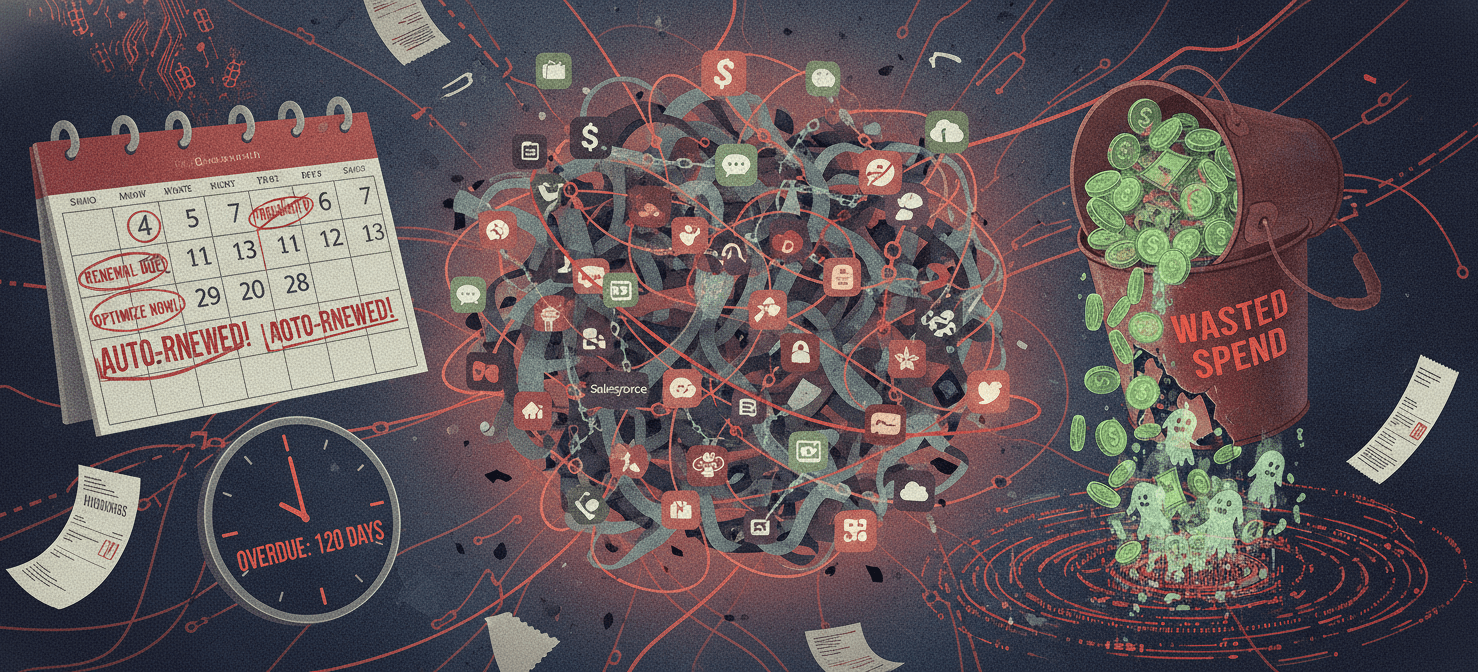
First, automatic renewal clauses are present in the vast majority of SaaS contracts. These terms often lock you into another year of service, sometimes with a price increase, if you fail to provide notice within a specific window (often 60-90 days). This leads to paying for software that may no longer be needed or is underutilized.
Second, a lack of visibility into your SaaS stack results in redundant applications. It’s common for different departments to purchase tools with overlapping functionality, leading to inefficient spending. Finally, without a proactive renewal strategy, you lose the single best opportunity to negotiate better pricing and terms, leaving significant savings on the table.
The Proactive Renewal Mindset
A reactive approach to renewals—waiting for the vendor’s invoice to arrive—puts your team at a major disadvantage. Instead, adopting a proactive mindset is essential for effective SaaS renewal management. This means treating renewals not as an administrative task, but as a strategic review of your software investments.

This process should begin long before the renewal date. A 90-day window is a widely recommended starting point. This timeframe provides sufficient space to conduct a thorough review, engage with internal stakeholders, analyze usage data, and prepare for negotiations without being rushed by a looming deadline.
A key part of this mindset is assigning clear ownership. Every subscription should have a designated owner responsible for tracking its lifecycle and leading the renewal process. This accountability ensures that someone is always monitoring usage, value, and upcoming deadlines, preventing contracts from slipping through the cracks.
Your Pre-Renewal SaaS Audit Checklist
Before you can decide whether to renew, you must understand what you have and how it’s being used. A detailed audit is the foundation of any successful renewal negotiation.
Key Audit Steps:
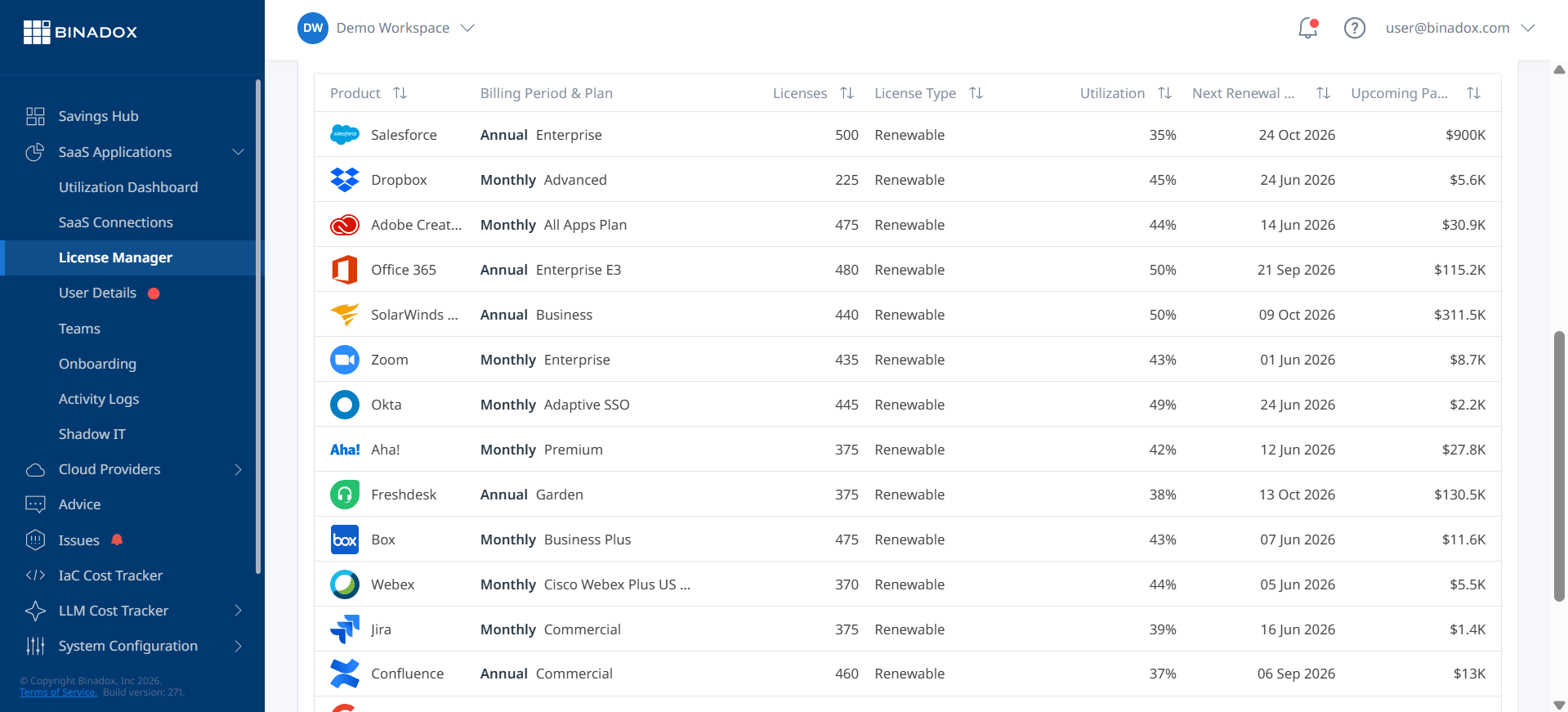
- Inventory All Subscriptions: Create a centralized record of all SaaS applications, including contract owners, renewal dates, and costs. Many organizations still rely on spreadsheets, but this is prone to error.
- Analyze Utilization Data: The most critical step is to audit actual usage. How many purchased licenses are actively being used? Identify inactive users and underutilized seats, as this is your primary leverage for rightsizing your subscription.
- Identify Redundancies: Review your software inventory for overlapping capabilities. Your organization might be paying for multiple project management or team collaboration tools when one could suffice. Consolidating these can lead to significant savings.
- Assess Business Value: Engage with the end-users. Does the tool still meet their needs and contribute to business goals? A tool that was essential last year may no longer align with current priorities.
- Review Security and Compliance: Verify that the application continues to meet your organization’s security and data protection standards, such as GDPR or SOC 2.
Engaging with Vendors: The best saas renewal best practices for Negotiation and Timing
Armed with data from your audit, you can approach vendor negotiations from a position of strength. Timing is crucial. By starting the conversation 90 days out, you avoid the pressure of an imminent deadline, which vendors often use to their advantage.
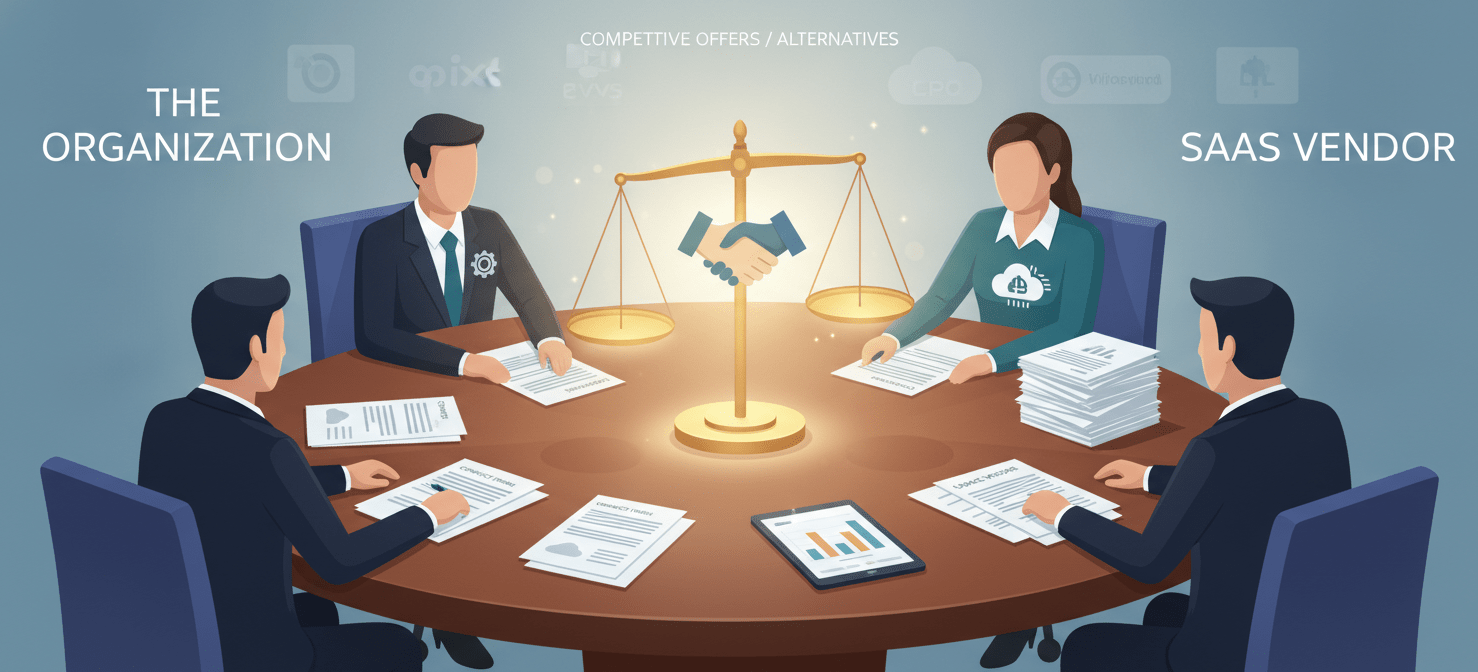
When negotiating, focus on more than just the price. Consider other negotiable terms such as:
- Payment Terms: Annual pre-payment often yields discounts compared to monthly or quarterly billing.
- License Flexibility: Negotiate the ability to reduce your seat count during the contract term, not just at renewal.
- Renewal Price Caps: Lock in a cap on future price increases, typically around 3-5%, to prevent unexpected budget hikes in the coming years.
Always benchmark the vendor’s offer. Research what competitors charge for similar services to understand if you are receiving a fair price. Don’t be afraid to explore alternatives; having a viable option gives you significant leverage.
Automating and Streamlining the SaaS Renewal Process
As your organization grows, manually tracking hundreds of renewals becomes unsustainable. Automation is key to creating an efficient and scalable saas contract renewal process. Implementing a SaaS management platform can centralize all your contract data, providing a single source of truth.
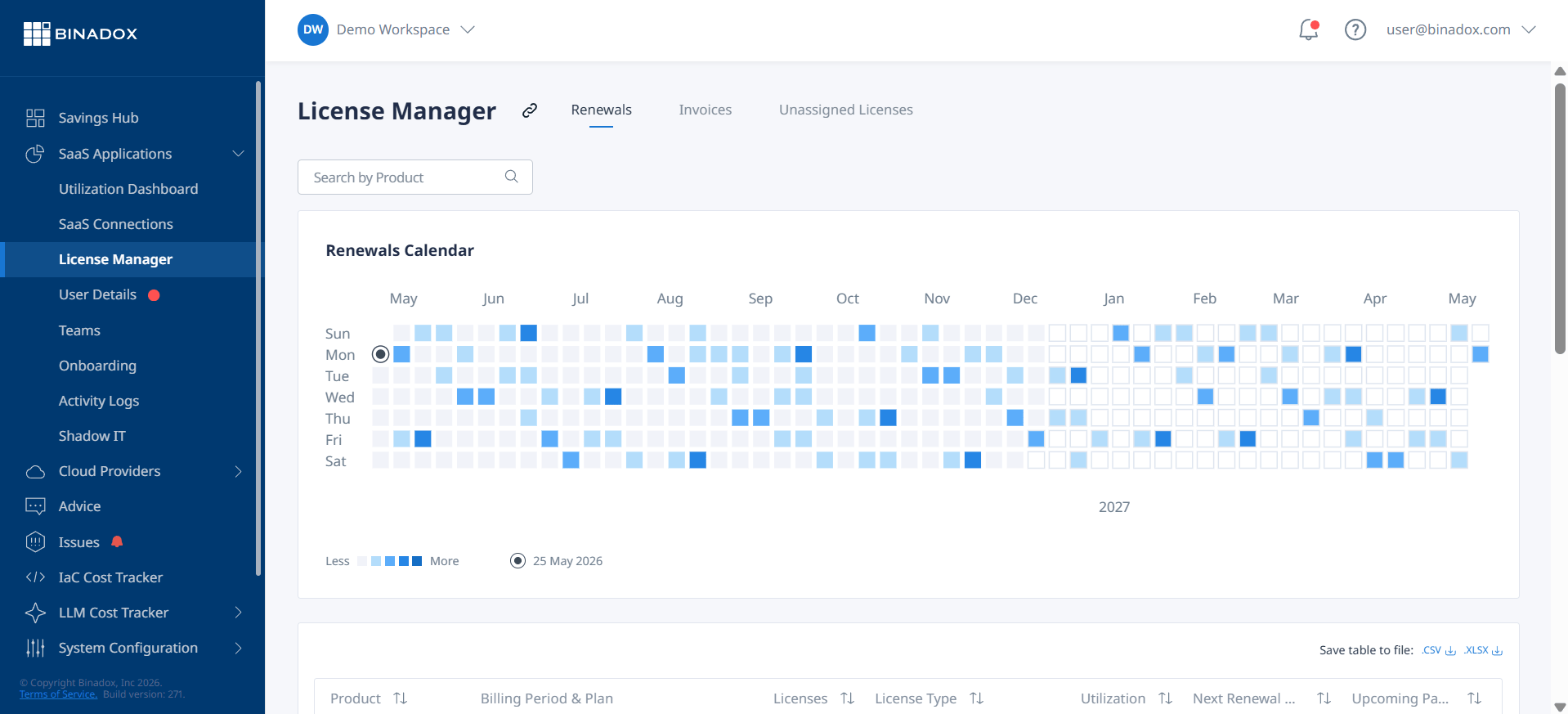
These platforms offer several benefits:
- Automated Renewal Calendars: Get automatic alerts for upcoming renewal and cancellation deadlines, ensuring you never miss a critical date.
- Workflow Automation: Streamline the approval process by automatically routing renewal requests to the correct stakeholders, such as department heads and finance teams.
- Usage Insights: Many tools integrate directly with your SaaS applications to provide real-time data on license usage, making the audit process continuous rather than a quarterly fire drill.
By automating these routine tasks, your team can shift its focus from administrative work to strategic decision-making and negotiation.
Post-Renewal: Continuous Management
The work doesn’t stop once a contract is signed. Effective SaaS management is an ongoing process, not a once-a-year event. After a renewal is complete, it’s important to continue monitoring the application’s usage and performance.
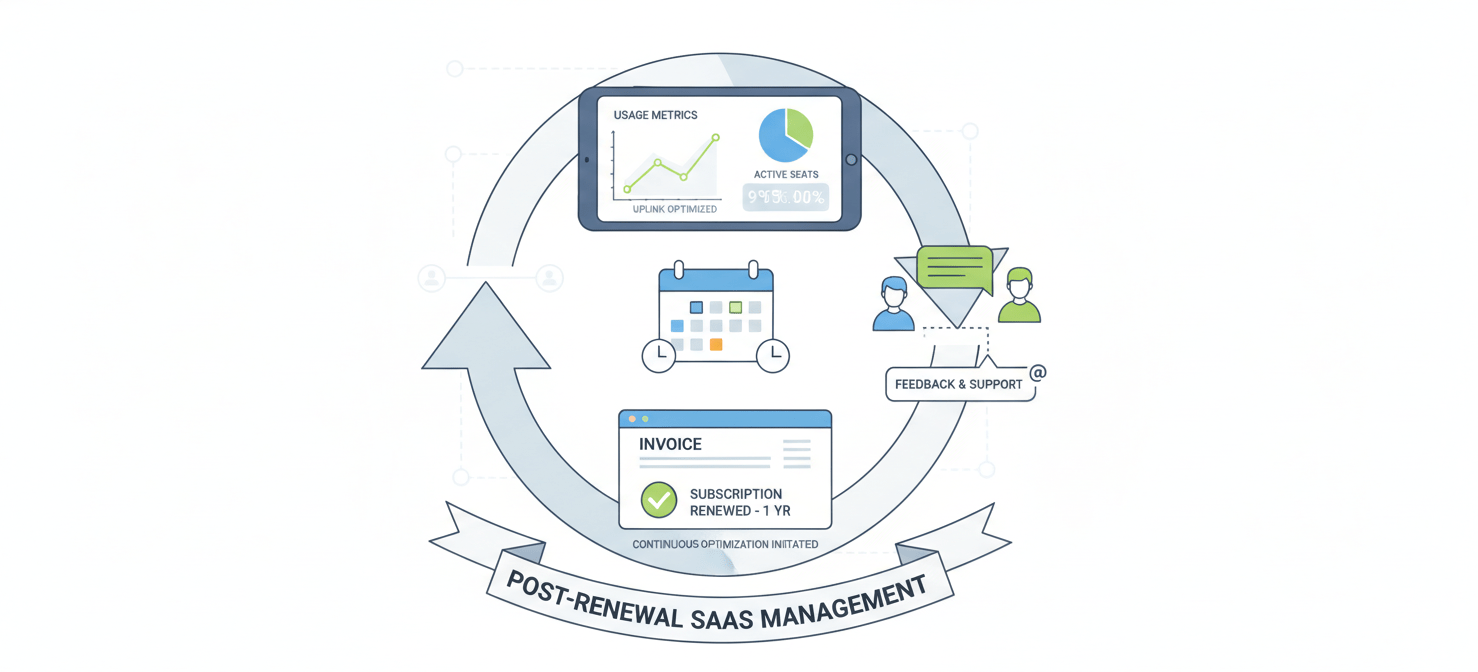
Set up quarterly check-ins to review utilization data. This helps you stay ahead of the next renewal cycle and identify potential issues—like declining user engagement—early on. If you negotiated new terms or pricing, ensure they are accurately reflected in your billing.
Finally, maintain an open line of communication with the vendor and your internal users. This continuous feedback loop helps ensure that the software continues to deliver value and that you are well-prepared for the next renewal conversation.
Conclusion
Ultimately, mastering your renewals is about shifting from a reactive, chaotic scramble to a proactive, data-driven strategy. By abandoning last-minute decisions and scattered spreadsheets, you can transform a budgetary drain into a source of operational efficiency and savings. A disciplined approach to saas renewal best practices doesn’t just cut costs; it ensures that every dollar spent on software is a deliberate investment in your company’s productivity. The alternative is letting vendors dictate your budget, one auto-renewal at a time.
If you’re ready to take control of your SaaS spend and optimize your renewals, you can easily explore Binadox’s capabilities or arrange a custom demonstration.
 7-day free trial