



For many SaaS businesses, the moment of renewal feels like a coin toss. But it doesn’t have to be. A well-structured, proactive approach can transform renewals from a source of anxiety into a predictable engine for growth. Failing to manage this critical touchpoint means leaving money on the table and risking customer churn. Therefore, building a bulletproof SaaS renewal process is not just an administrative task; it’s a strategic imperative for long-term success and financial stability.
A reactive, last-minute scramble to renew an account is a recipe for failure. Instead, a proactive process focuses on demonstrating value and strengthening the customer relationship long before the contract is up. This ensures customers see renewal as a natural continuation of a valuable partnership.
Key takeaways
- Start Early: The renewal process should begin 90-120 days before the contract expiration date to allow ample time for engagement, negotiation, and risk mitigation.
- Focus on Value: Proactively communicate customer wins, usage metrics, and ROI throughout the subscription period, not just in the final weeks.
- Automate and Standardize: Use a centralized system to track renewal dates and automate reminders, creating a standardized playbook for your team to follow.
- Assign Clear Ownership: Ensure every renewal has a designated owner responsible for driving the process from initial engagement to final signature.
Why a Proactive SaaS Renewal Process Matters
A proactive approach to SaaS renewal management is fundamental to sustainable growth. It directly impacts customer retention, which is significantly more cost-effective than acquiring new customers. A high renewal rate is a strong indicator of customer satisfaction and product value, signaling a healthy business to investors and stakeholders.
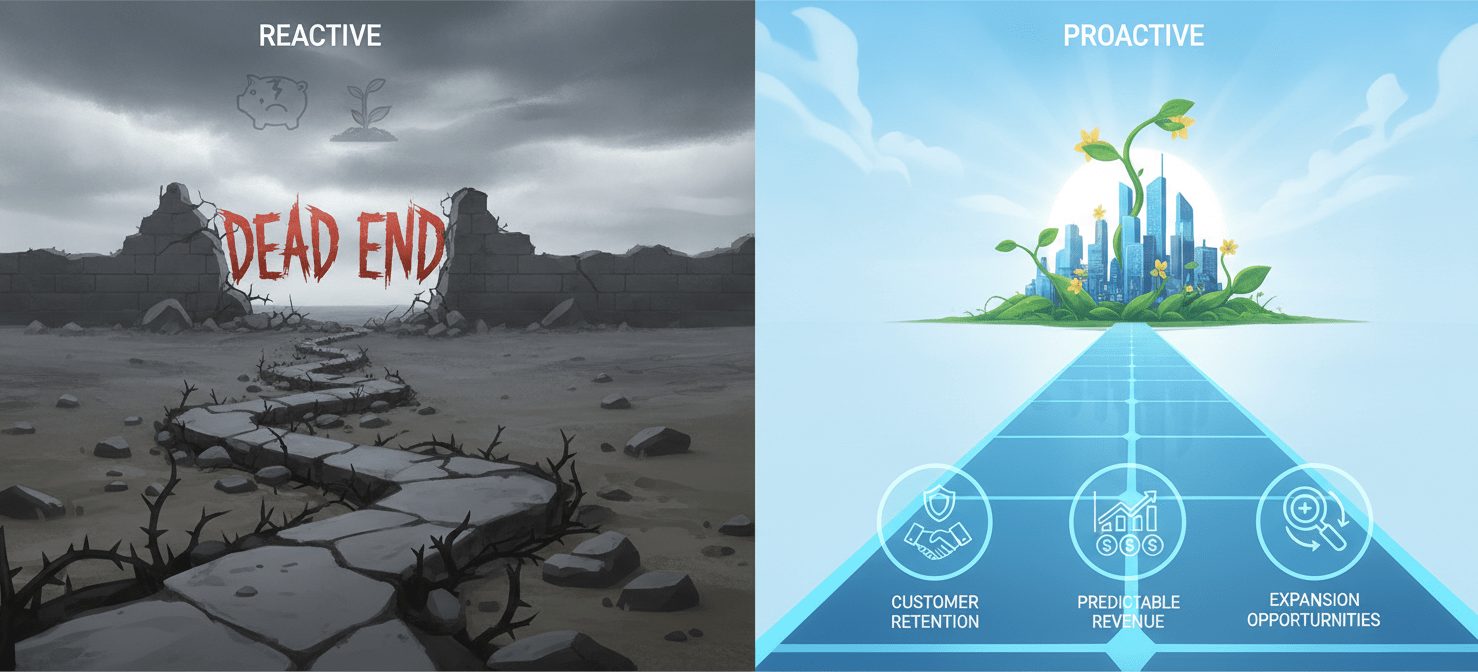
Furthermore, a structured process provides predictability. By tracking renewal rates, you gain a clearer picture of future revenue, which is crucial for accurate financial forecasting and strategic planning. This stability allows for more informed decisions about budgeting, hiring, and product development.
Finally, the renewal period is a prime opportunity for expansion. A customer who is satisfied and sees clear value in your product is more likely to be receptive to upgrading their plan or adding new services. Without a proactive process, these upsell and cross-sell opportunities are often missed.
Stage 1: Pre-Renewal Engagement (90-120 Days Out)
The foundation for a successful renewal is laid months in advance. Waiting until the last minute creates unnecessary pressure and puts your team at a disadvantage.
Assemble Your Data
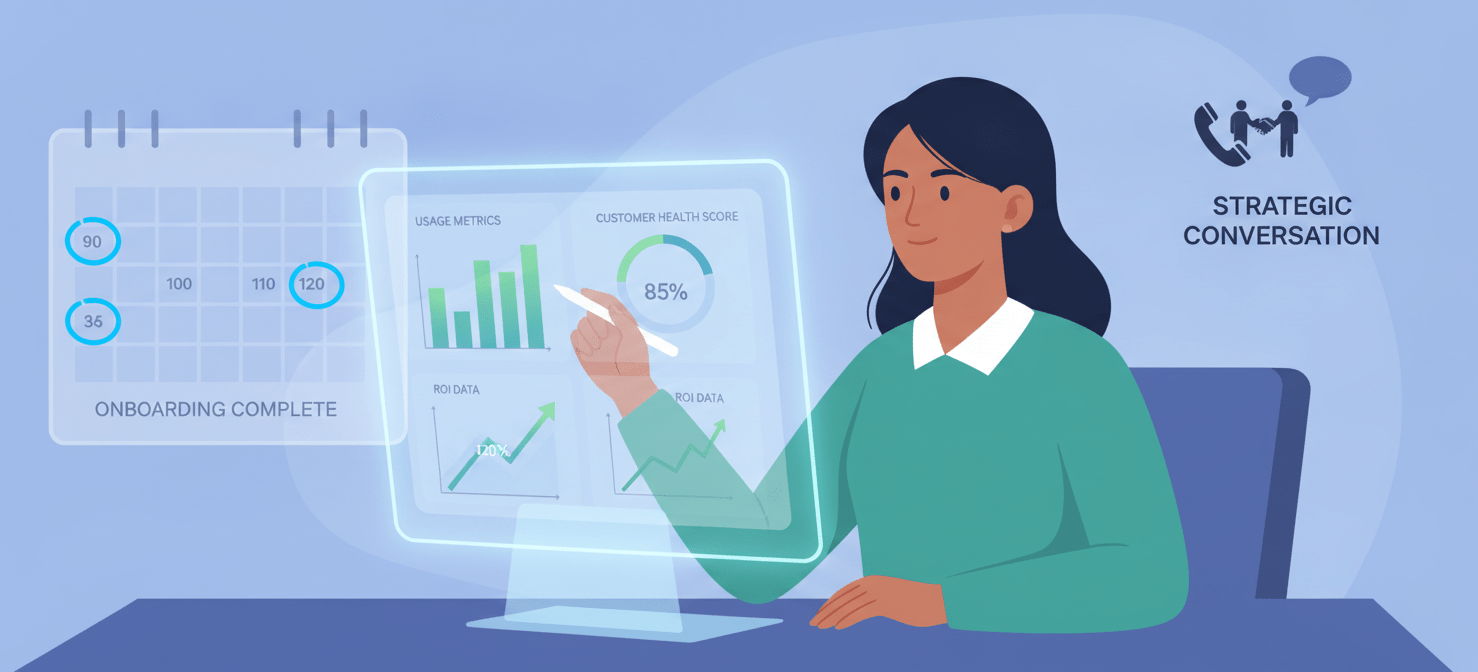
Begin by gathering all relevant information about the account 90 to 120 days before the renewal date. This includes:
- Usage Metrics: How actively is the customer using the platform? Which features are most popular, and are there any signs of declining engagement? A decline in login frequency can be an early churn indicator.
- Customer Health Score: Combine usage data, support ticket history, and survey responses (like NPS) to create a holistic view of account health.
- Original Goals and ROI: Revisit the customer’s initial objectives. Have they achieved what they set out to do? Prepare a summary of their wins and milestones.
Initiate Contact
With this data in hand, your customer success manager (CSM) should reach out to schedule a business review. This is not a sales call. Instead, the goal is to have a strategic conversation focused on the value they’ve received and their goals for the upcoming year. This proactive engagement demonstrates that you view them as a partner, not just a transaction.
This meeting is your chance to reinforce the product’s value and identify any friction points or unmet needs. It also opens the door to discussing their future plans, which can uncover opportunities for expansion.
Stage 2: The Renewal Conversation (30-60 Days Out)
This stage is where the formal renewal discussions begin. Because you started early, you are now in a position of strength, armed with data and a clear understanding of the customer’s perspective.

Present the Renewal Proposal
About 60 days before the deadline, present the formal renewal proposal. This should be a straightforward process with no surprises. The proposal should clearly outline the terms, pricing, and any proposed changes.
Be transparent about any pricing adjustments. If there is a price increase, be prepared to justify it by highlighting new features, enhanced capabilities, or increased usage that delivers more value.
Negotiation and Handling Objections
Negotiation is a natural part of the software renewal workflow. Come to the table prepared. Understand your leverage, which includes the customer’s usage data and the value you’ve demonstrated.
Common areas for negotiation include:
- Pricing: Offer multi-year contracts for a discounted rate.
- Contract Terms: Be flexible where possible on terms like payment schedules or license adjustments.
- Features: If a customer is hesitant due to budget, explore whether a different subscription tier might better fit their needs.
The key is to find a solution that works for both parties. A successful negotiation strengthens the relationship and sets the stage for future renewals.
Stage 3: Post-Renewal and Continuous Engagement
Securing the renewal is not the end of the process. The period immediately following the renewal is a critical time to reinforce the customer’s decision and set the stage for the next cycle.
Confirm and Thank
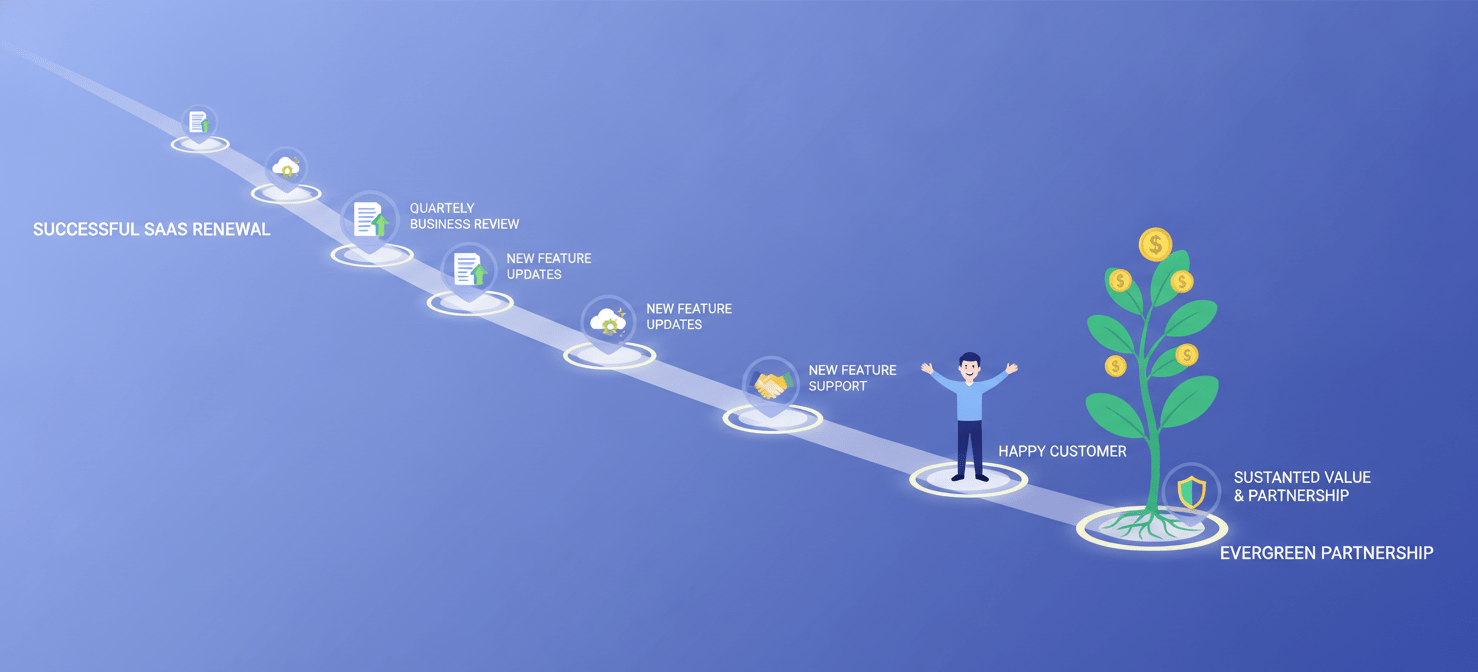
Once the contract is signed, send a confirmation and thank the customer for their continued partnership. This simple step helps solidify the relationship. Use this opportunity to schedule a kickoff call to discuss their goals for the upcoming term and ensure a smooth transition.
Maintain the Momentum
Continuous engagement is essential for long-term retention. Don’t wait another year to have a strategic conversation. Implement a regular check-in cadence—quarterly business reviews are a common best practice—to monitor progress, share updates, and ensure they are continuously getting value from your product. This ongoing dialogue helps you stay ahead of potential issues and makes the next renewal a formality rather than a hurdle.
Automating Your Software Renewal Workflow
Managing dozens or even hundreds of renewals manually with spreadsheets is inefficient and prone to error. As you scale, missed renewal dates and a lack of visibility become significant risks.
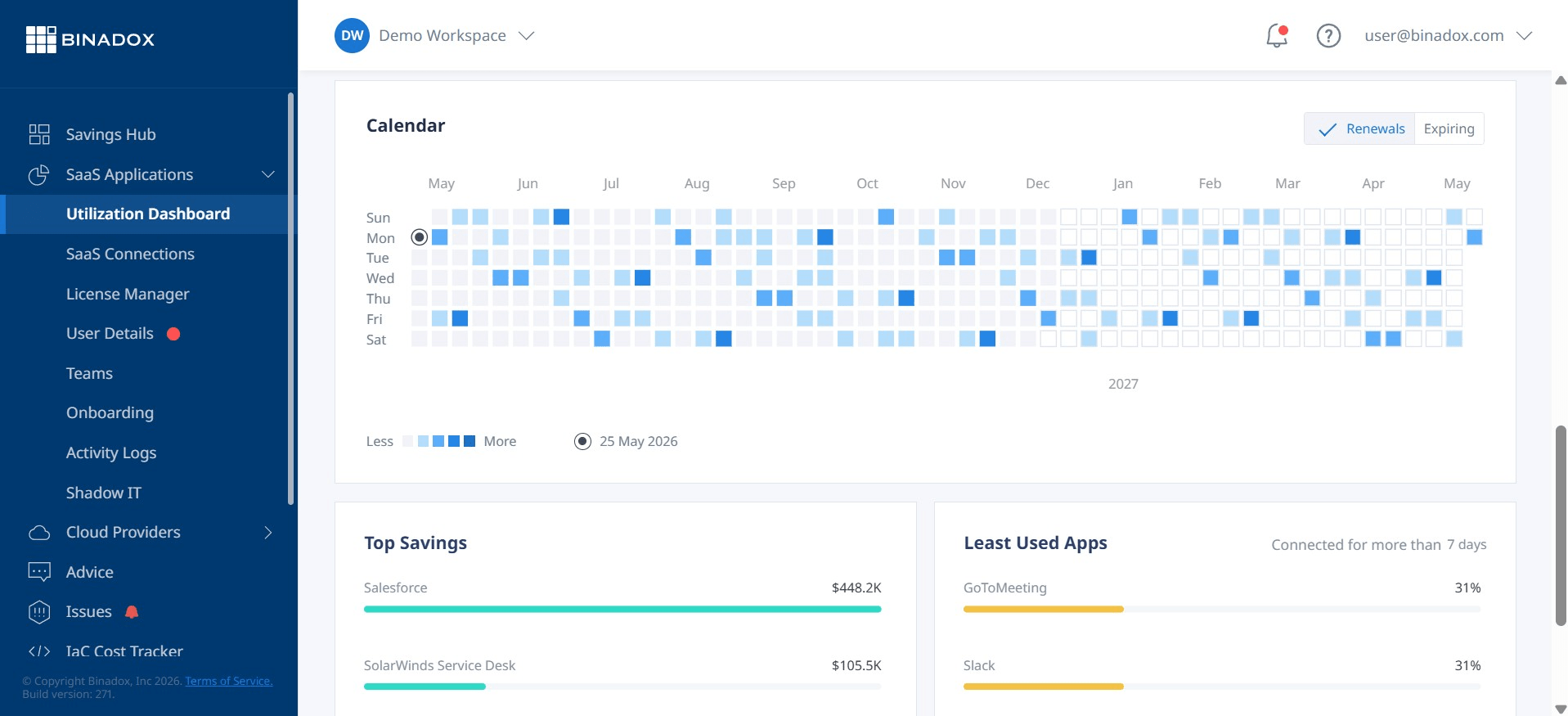
Centralize Your Contract Data
The first step is to create a single source of truth for all contract information. A SaaS management platform or a dedicated contract renewal tool can centralize key details like renewal dates, contract value, and ownership.
Implement Automated Alerts
Automation is crucial for a scalable process. Set up automated alerts to notify the renewal owner at key intervals, such as 90, 60, and 30 days before the expiration date. This ensures that no renewal slips through the cracks and that your team has ample time to execute the renewal playbook. These systems can also help you avoid unwanted auto-renewals for software your organization no longer needs.
Use Data to Drive Decisions
Modern renewal management tools provide valuable insights into usage and spending. Use this data to identify opportunities for cost savings, such as right-sizing licenses based on actual usage or consolidating overlapping applications. This data-driven approach allows you to make smarter, more strategic decisions throughout the software renewal workflow.
Conclusion
Building a bulletproof SaaS renewal process is not about having a single, secret tactic. It is about implementing a disciplined, proactive system built on early engagement, consistent value demonstration, and clear communication. By shifting from a reactive, last-minute scramble to a structured, data-driven approach, you can transform renewals from a liability into a powerful driver of predictable revenue and long-term growth. The work doesn’t stop once the contract is signed; instead, it marks the beginning of the next cycle of proving value. Ultimately, a successful SaaS renewal process is a reflection of a healthy, customer-centric business—one that understands that keeping a customer is just as important as winning a new one.
To truly master your SaaS renewals and ensure continuous value delivery, consider exploring how a dedicated platform can streamline your efforts; you can try Binadox free to experience its benefits firsthand or book a demo to see a personalized walkthrough of its capabilities.
 7-day free trial