



Enterprise architects face a persistent challenge: business units procuring and deploying technology outside of established IT channels. This “shadow IT” creates significant risks, including security vulnerabilities, data silos, and budget overruns. Instead of trying to eliminate it, which is often futile, the goal is to manage it. A proactive shadow it governance framework provides the structure to bring these rogue assets into compliance, standardize where it matters, and harness the innovation that drives business units to adopt them in the first place. This approach transforms shadow IT from a liability into a managed asset.
Key takeaways:
- A punitive approach to shadow IT often fails; a governance framework focuses on enablement and risk mitigation instead.
- Implementing a four-step governance process (Discovery, Triage, Policy, Integration) can reduce security risks from unmanaged assets.
- Effective governance can consolidate redundant SaaS applications, potentially cutting software spending.
- The framework shifts the enterprise architect’s role from gatekeeper to strategic advisor on technology adoption.
The Inevitable Rise of Shadow IT in the Enterprise
Shadow IT is not a new problem. However, the rise of SaaS and IaaS has made it easier than ever for employees to procure technology with a credit card. Business teams need to move quickly. They often see central IT as a bottleneck. As a result, they bypass official procurement channels to get the tools they need. This creates a sprawling, invisible landscape of applications and infrastructure.
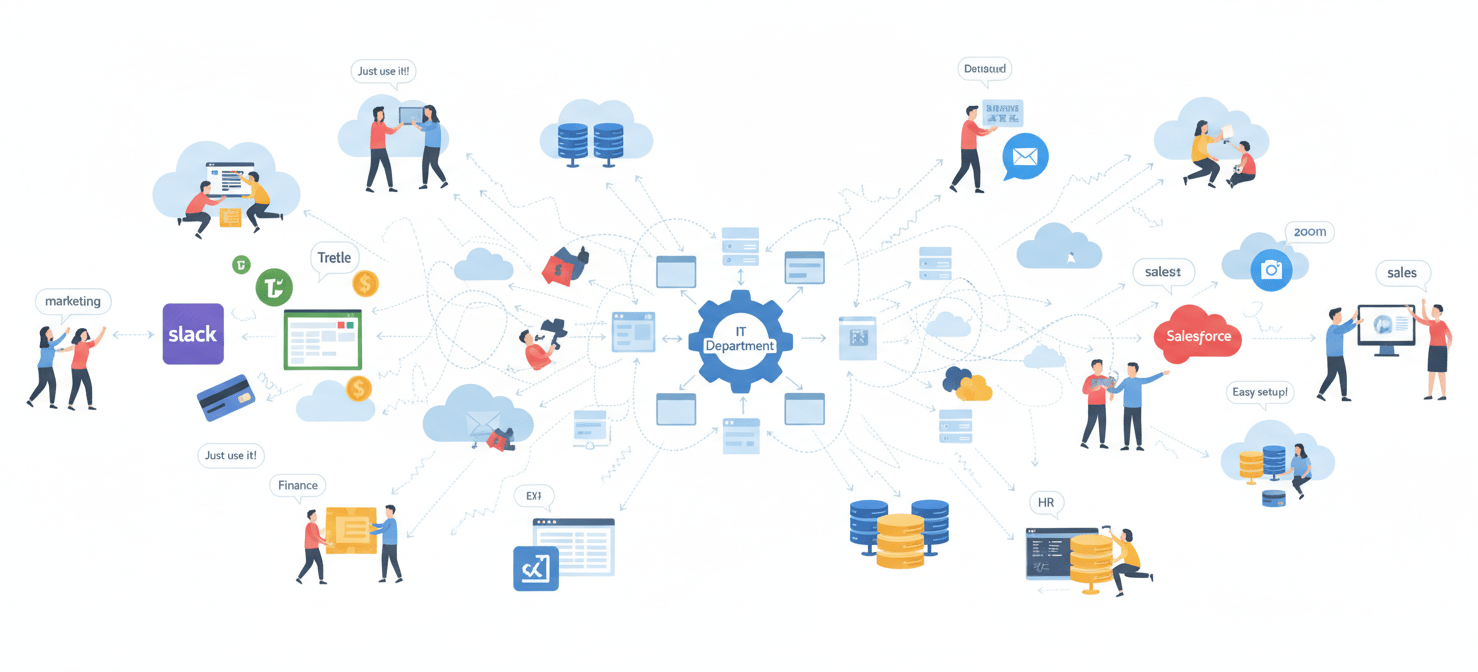
This unsanctioned technology introduces serious risks. Security is a primary concern. Without proper oversight, sensitive company data can end up in applications that lack enterprise-grade security controls. Furthermore, it leads to significant inefficiencies. Multiple departments might pay for separate subscriptions to the same or similar SaaS products. This redundancy inflates costs and creates disconnected data islands across the organization. For enterprise architects, this undermines efforts to build a cohesive, standardized, and cost-effective technology ecosystem. The goal is not to stop this behavior but to manage its outcomes.
Why a Punitive Approach to Shadow IT Fails
Many organizations first react to shadow IT with strict, punitive measures. They might block unapproved services or penalize teams that bypass procurement. However, this approach almost always fails. It drives the practice further underground, making it even harder to discover and manage. Business units will find new ways to acquire the tools they believe are necessary for their success.
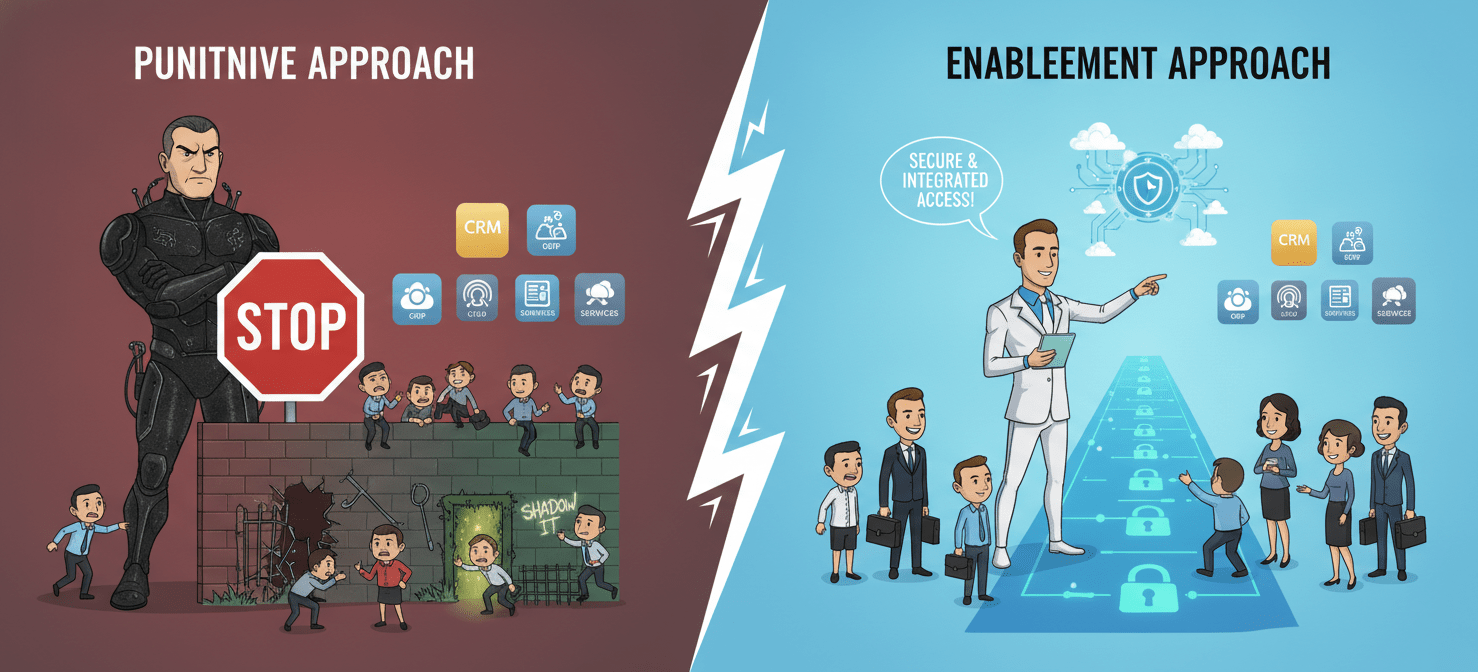
A “just say no” policy creates an adversarial relationship between IT and the business. This is counterproductive. Instead of fostering collaboration, it positions the enterprise architecture team as an obstacle. The business loses trust in IT’s ability to meet its needs. Therefore, a more effective strategy is to work with business units. You can understand their requirements and guide them toward secure, compliant, and integrated solutions. This is the core principle of a successful enterprise architecture shadow IT strategy. It shifts the focus from prohibition to guided enablement.
The Core Components of a Shadow IT Governance Framework
A successful shadow it governance framework is not about creating more bureaucracy. It is about establishing lightweight, clear processes to manage technology adoption. This model helps you balance business agility with enterprise-wide stability and security. It provides a structured path for unsanctioned applications to become managed assets.
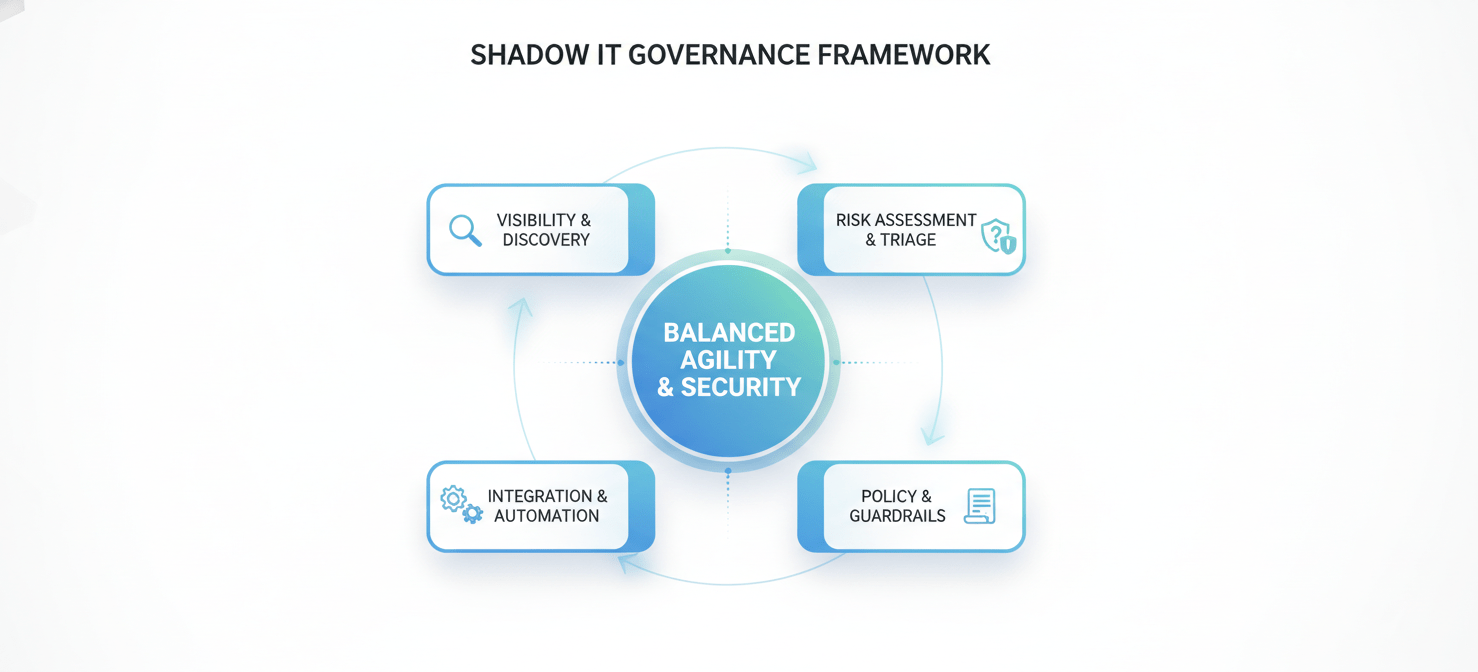
The framework should be built on a few key principles. First, it must prioritize visibility. You cannot govern what you cannot see. Next, it requires a clear method for assessing risk. Not all shadow IT poses the same level of threat. Finally, it must define clear policies and automated guardrails. These controls help teams make good decisions without requiring constant manual oversight. This approach allows you to harness the innovative spirit behind shadow IT while mitigating its inherent risks.
From Chaos to Control
The primary outcome of this framework is a predictable process. It takes the chaos of unmanaged technology and channels it into a structured evaluation and integration pipeline. For your team, this means fewer surprises and a more strategic role. You move from being reactive firefighters to proactive advisors. You help the business select and implement the best tools in a way that aligns with the overall enterprise strategy.
Step 1: Discovery and Inventory
The first step in any technology governance model is discovery. You need a comprehensive and continuously updated inventory of all applications and infrastructure in use. This includes both sanctioned and unsanctioned assets. Relying on manual surveys is ineffective. They are time-consuming and quickly become outdated.
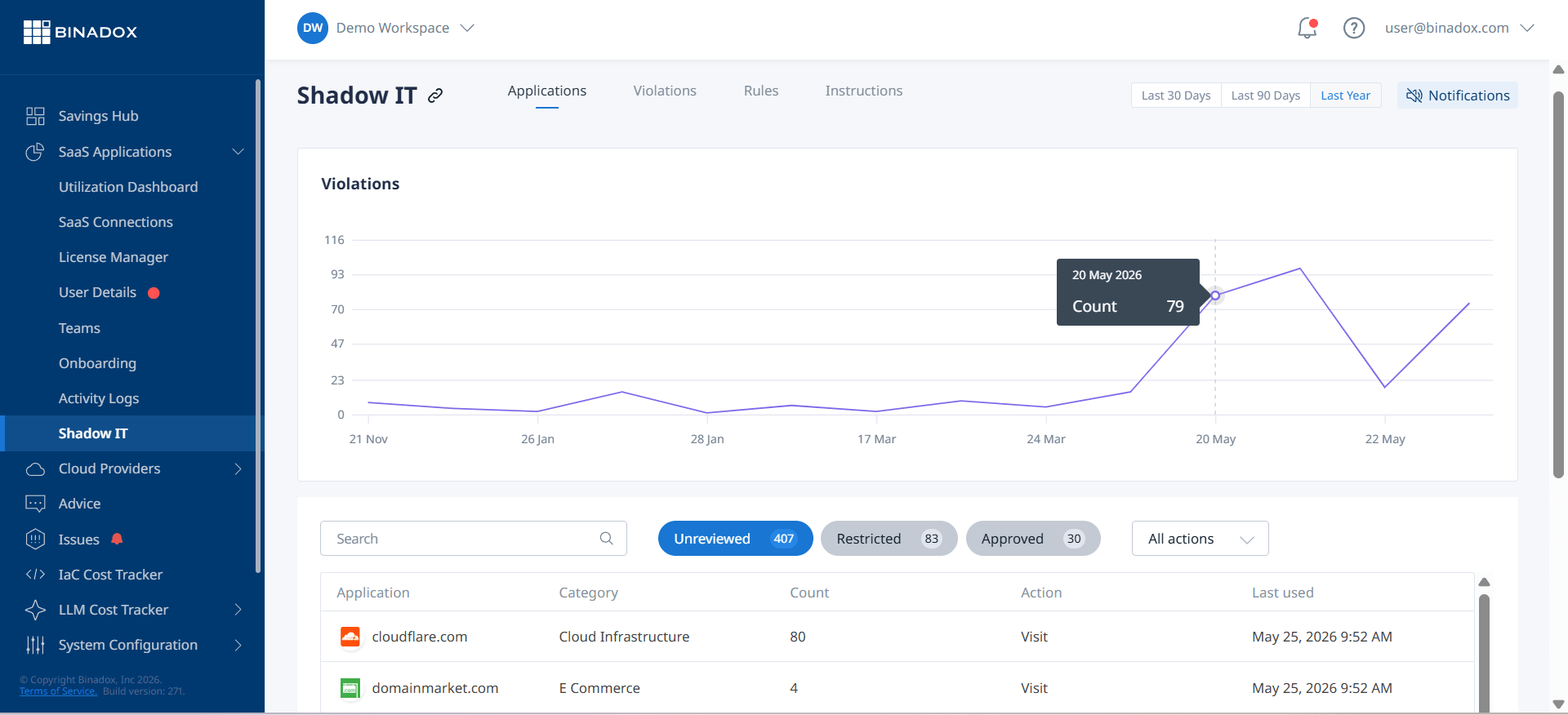
Instead, you should leverage automated discovery tools. Cloud Access Security Brokers (CASBs) can identify SaaS applications by analyzing network traffic. Similarly, cloud security posture management (CSPM) tools can scan your cloud environments (like AWS, Azure, and GCP) to find provisioned resources that don’t align with your central inventory. These tools provide the raw data needed to understand the full scope of your shadow IT landscape. The goal is to create a single source of truth for all technology assets, regardless of their origin.
Step 2: Triage and Risk Assessment
Once you have a complete inventory, the next step is to triage and assess the risk of each discovered asset. Not all shadow IT is created equal. A project management tool used by a small team poses a different level of risk than a file-sharing service holding sensitive customer data. Creating a lightweight risk assessment methodology is crucial.
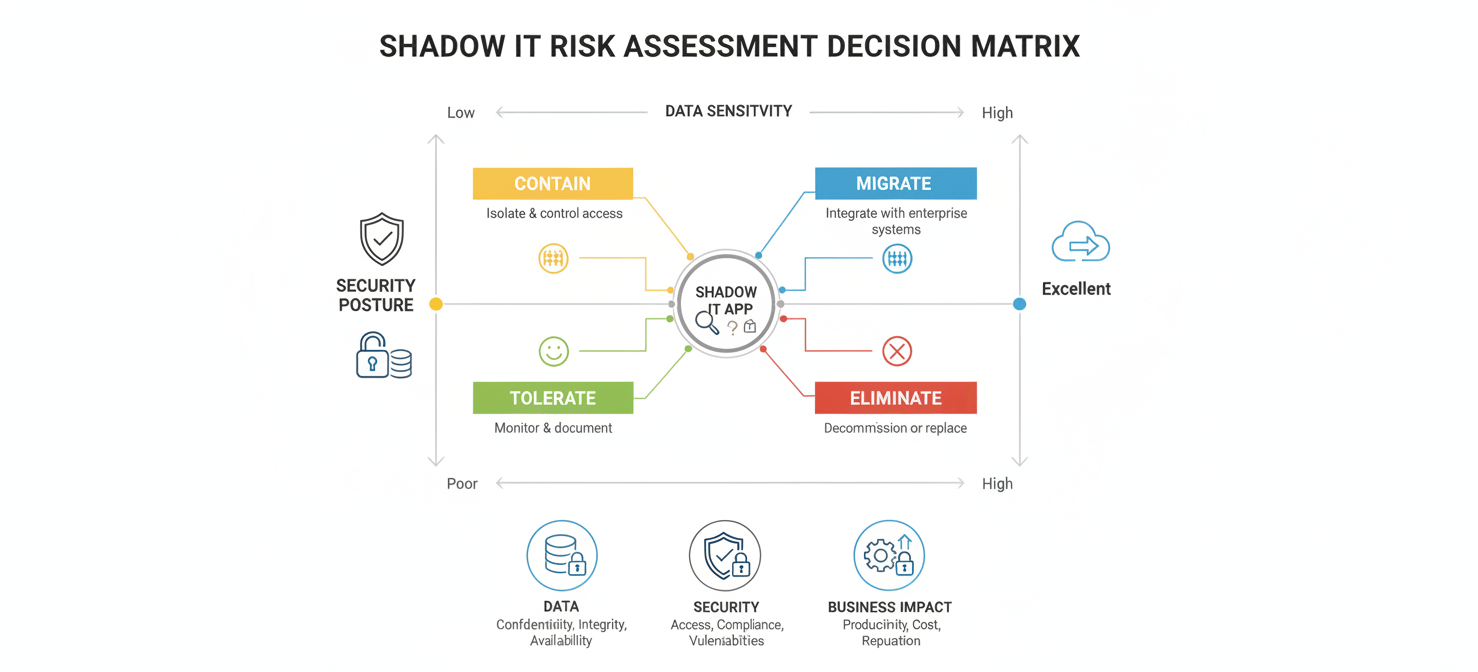
This assessment should consider several factors:
- Data Sensitivity: What kind of data is being stored or processed?
- Security Posture: Does the application meet your company’s security standards (e.g., SOC 2 compliance, encryption)?
- Redundancy: Is this a duplicate of an existing, sanctioned tool?
- Business Criticality: How important is this application to the business unit’s operations?
Based on this triage, you can categorize applications. For example, you might classify them as “Tolerate,” “Contain,” or “Migrate.” This allows you to focus your efforts on the highest-risk assets first. You can then work with the business unit to either secure the application or migrate them to a sanctioned alternative.
Step 3: Policy and Guardrail Definition
With a clear understanding of your assets and their associated risks, you can define clear policies and guardrails. These are the rules of the road for technology adoption. The goal is not to create a rigid, one-size-fits-all policy. Instead, you should develop a tiered model based on risk.
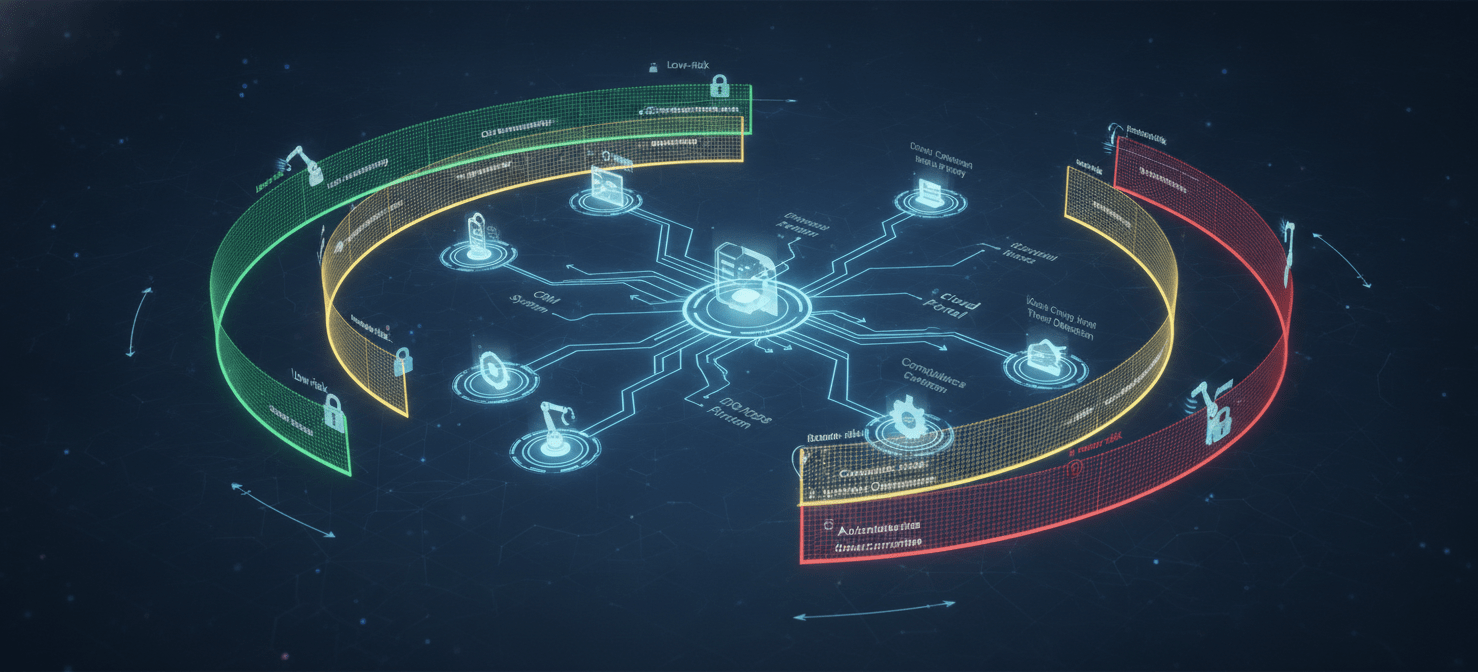
For low-risk applications, the policy might be as simple as requiring registration in a central catalog. For high-risk applications that handle sensitive data, the requirements will be much stricter. This could include mandatory security reviews, integration with single sign-on (SSO), and adherence to data residency requirements. These policies should be documented and made easily accessible to all employees. They form the foundation of your shadow it governance framework.
Automating Enforcement
Defining policies is not enough. You must also implement automated guardrails to enforce them. For example, you can use your CASB to block access to high-risk applications that have not been approved. In your cloud environments, you can use infrastructure-as-code (IaC) policies to prevent the deployment of non-compliant resources. Automation is key to making governance scalable and effective. It reduces the manual workload on your team and provides immediate feedback to developers and business users.
Step 4: Integration and Automation
The final step is to create a clear path for integrating valuable shadow IT into the enterprise ecosystem. When a business unit discovers a useful new tool, there should be a simple process to get it reviewed, approved, and officially supported. This “path to production” is a critical part of your technology governance model. It encourages teams to bring their innovations to IT rather than hiding them.
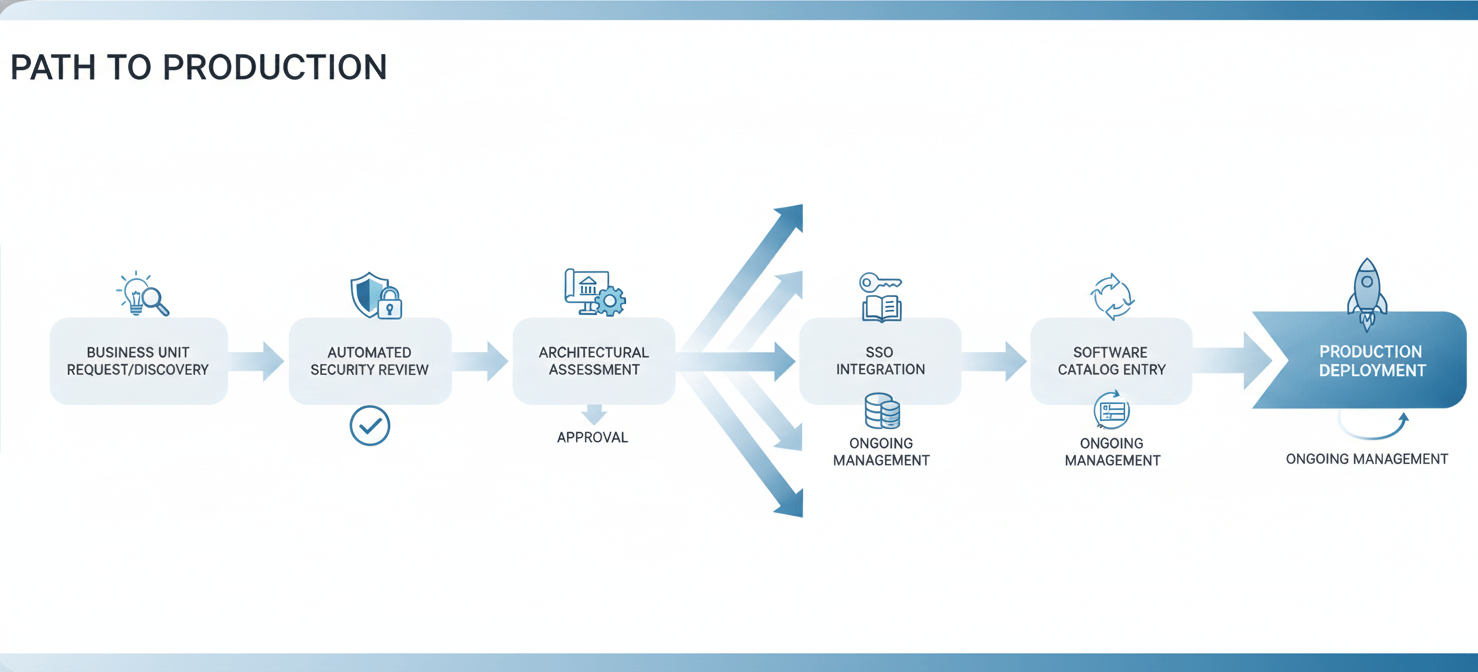
This process should be as automated as possible. It could start with a simple form in a service catalog. This might trigger an automated workflow for security and architectural review. If approved, the application can be added to your SSO provider and software catalog. By making the official process easy and efficient, you remove the incentive for teams to stay in the shadows. You transform shadow IT from a problem to be managed into a source of innovation for the entire organization.
Conclusion
Shadow IT is an unavoidable reality in the modern enterprise. Fighting it is a losing battle. Instead of trying to stamp it out, enterprise architects should focus on managing it. By implementing a robust shadow it governance framework, you can gain visibility, assess risks, and guide business units toward better technology decisions. This structured approach reduces security vulnerabilities and cuts redundant spending. More importantly, it transforms the role of enterprise architecture from a restrictive gatekeeper to a strategic enabler of business innovation. The goal isn’t to build a perfect system, but a resilient one that can safely absorb and standardize the useful chaos that business-led IT creates.
To gain deeper insights into managing your enterprise’s shadow IT and transform it into a strategic asset, you can arrange a discussion with our experts or try Binadox’s automated governance solutions at no cost.
 7-day free trial