



In any business, managing software and service subscriptions can quickly become a complex task. As your company grows, so does its collection of recurring software-as-a-service (SaaS) licenses, each with its own renewal date, pricing tier, and terms. Without a clear system, you risk unexpected auto-renewals for services you no longer need or, conversely, the sudden loss of a critical tool because a payment was missed. This is where a dedicated subscription renewal tracker becomes an essential tool for financial control and operational stability.
Key takeaways
- A subscription renewal tracker prevents unexpected expenses from auto-renewals and avoids service disruptions from missed payments.
- Companies waste a significant portion of their software budget, with some reports indicating that over 51% of SaaS licenses in an enterprise go unused.
- An effective tracker centralizes key data points for each subscription, including renewal dates, costs, ownership, and usage metrics.
- Automating renewal management with specialized software can save hundreds of hours and provide deeper insights compared to manual spreadsheet methods.
Why You Need to Track Subscription Renewals
Failing to track subscription renewals introduces significant financial and operational risks. The most immediate danger is uncontrolled spending. Many SaaS products are set to auto-renew by default, and without a system to review them ahead of time, your company could waste thousands on “shelfware”—software that is paid for but no longer used. Research indicates that the average organization wastes millions of dollars annually on unused SaaS licenses alone.
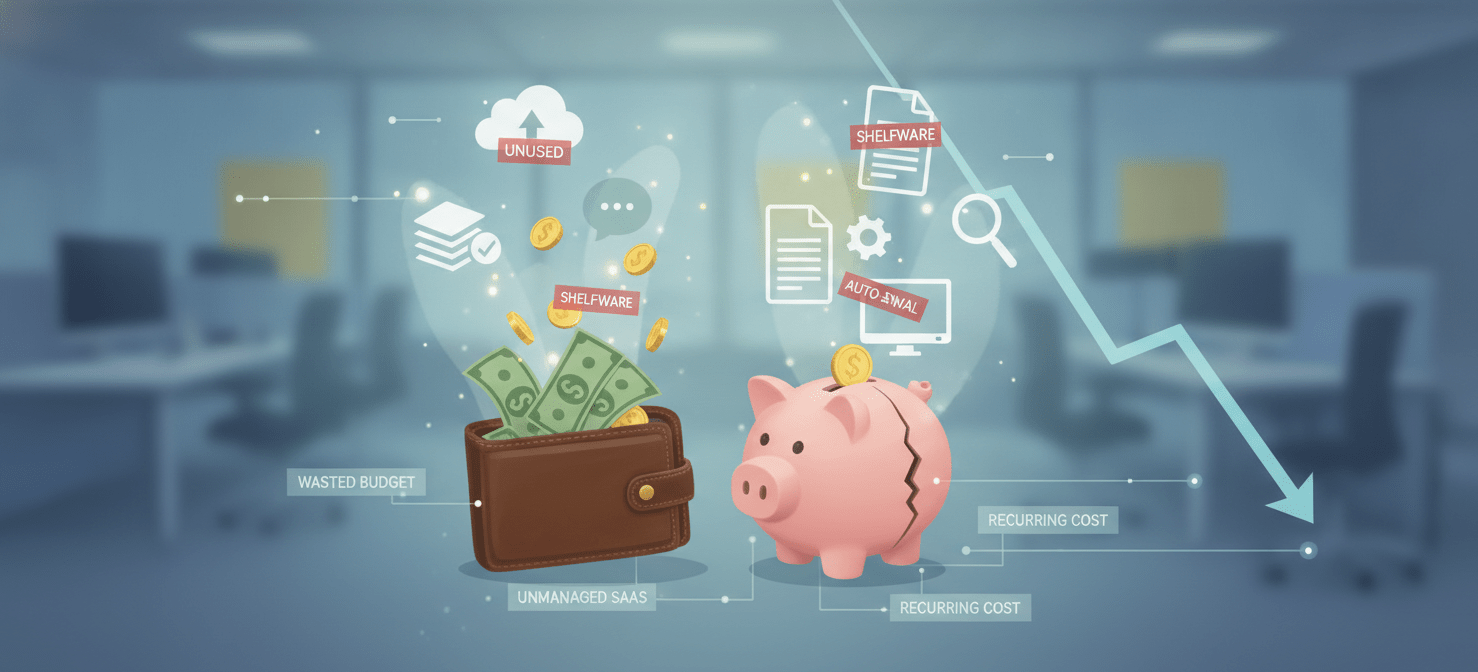
Beyond the financial drain, there’s the risk of operational disruption. Imagine a key project management tool suddenly becoming inaccessible during a critical phase because the subscription lapsed. This can halt productivity, cause data access issues, and force your team into a scramble to restore service, often at a premium.
Furthermore, a lack of oversight makes it impossible to negotiate better terms. When you don’t know when a contract is up for renewal, you lose the leverage to discuss pricing, user count, or feature sets with the vendor. Proactive SaaS renewal management allows you to assess whether the tool still meets your needs and if the cost is justified, giving you the opportunity to renegotiate, downgrade, or switch to a more cost-effective alternative.
Key Features of an Effective Subscription Renewal Tracker
Whether you use a simple spreadsheet or a dedicated software platform, an effective system to track subscription renewals should centralize several key pieces of information. Having these details in one place provides the clarity needed to make informed decisions.
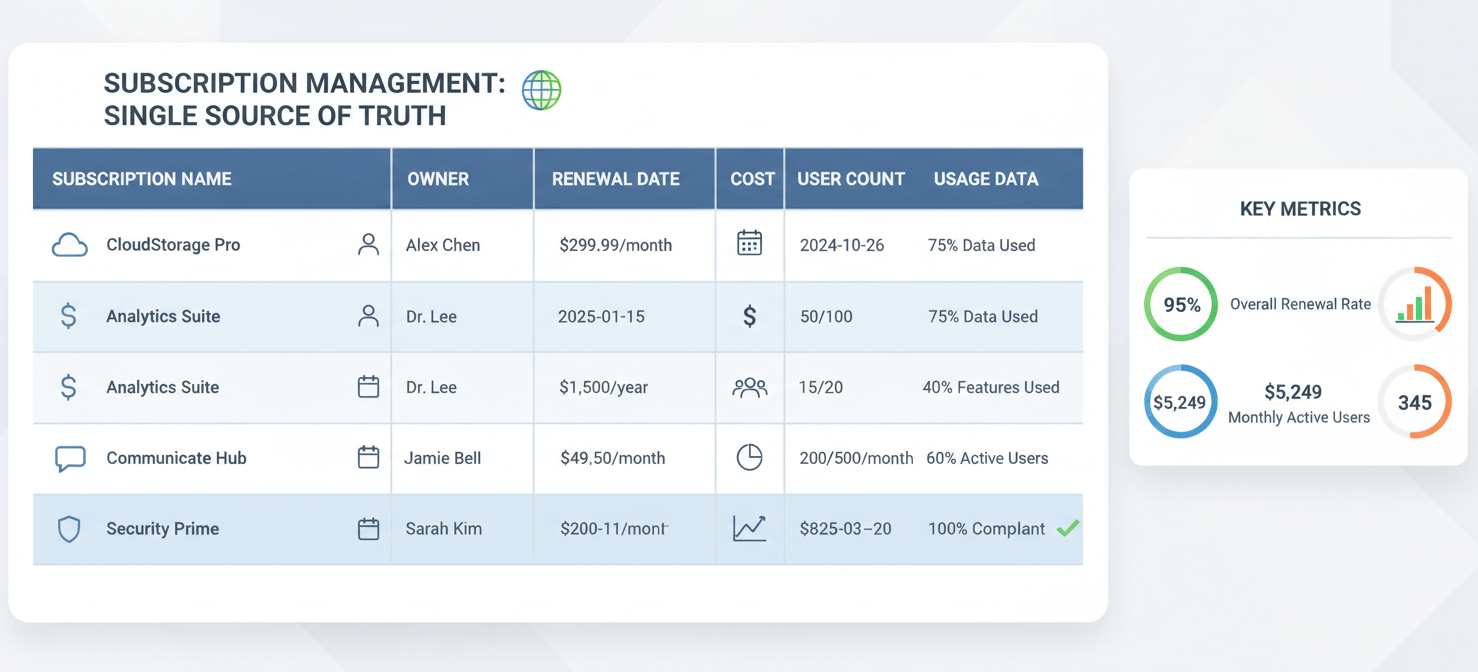
Your tracker should contain the following for every subscription:
- Subscription Name: The official name of the software or service.
- Owner: The internal team or individual responsible for the tool. This clarifies who to consult about its ongoing value.
- Renewal Date: The exact date the subscription is set to renew. This is the most critical piece of data for timely decision-making.
- Billing Cycle: Note whether the subscription is billed monthly, annually, or on a different schedule.
- Cost: The price per billing cycle and the total annual cost. This helps in budgeting and financial forecasting.
- User Count: The number of licenses or seats you are paying for.
- Usage Data: If possible, include metrics on how actively the tool is being used. Low usage is a strong indicator that a subscription may no longer be necessary.
By consistently logging these details, you create a single source of truth for all your recurring software expenses. This organized approach transforms renewal management from a reactive scramble into a strategic process.
How to Create and Use Your Tracker
Setting up a system to track your renewals can be done in a few straightforward steps. The goal is to create a reliable process that your team can maintain over time.
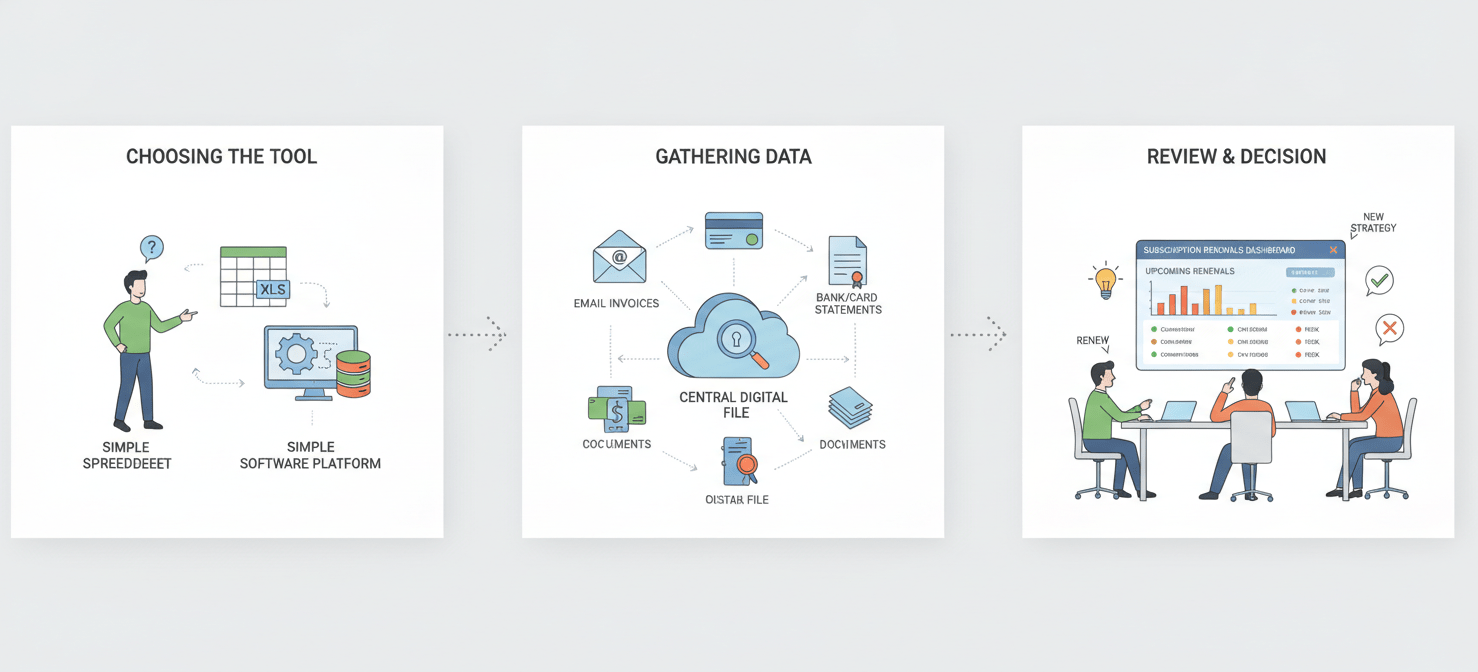
Step 1: Choose Your Tool
For smaller businesses, a shared spreadsheet can be a perfectly adequate starting point. Create columns for each of the key features mentioned above. Use conditional formatting to highlight renewal dates that are approaching in the next 30, 60, or 90 days. This visual cue helps ensure nothing gets missed.
For larger organizations or those with a high volume of subscriptions, a dedicated SaaS renewal management platform is often a better choice. These tools offer features like automated data entry, direct integrations with accounting software, and automatic alerts.
Step 2: Consolidate All Subscription Data
This is often the most time-consuming step. You will need to gather information from various sources, including accounting records, email inboxes, and individual team leaders. Go through credit card statements and expense reports to identify all recurring software charges. For each one, track down the contract or sign-up email to confirm the renewal date and cost.
Step 3: Establish a Review Cadence
A tracker is only useful if it is actively used. Establish a clear process for reviewing upcoming renewals. For example, you could set a recurring monthly meeting to discuss all subscriptions renewing in the next 90 days. The owner of each subscription should come prepared to justify its continued use and cost. This regular review ensures that you make deliberate decisions about every tool in your stack.
Automating for Efficiency: Beyond the Spreadsheet
While a spreadsheet is a good first step, it has its limitations. Manual data entry is prone to errors, and it can be difficult to keep the information up-to-date as your company grows. As a result, many businesses eventually turn to specialized software to automate the process.
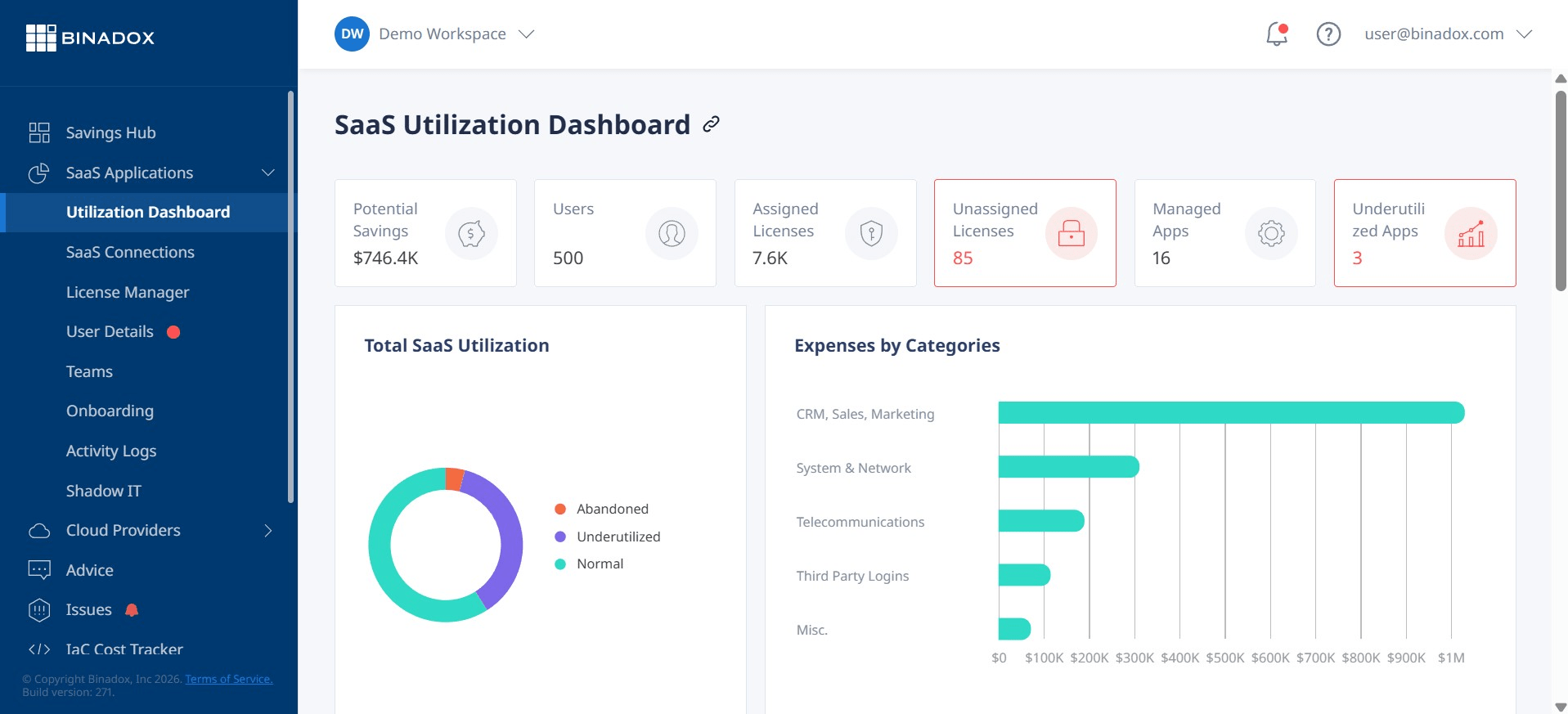
Subscription management platforms offer several advantages. They can often integrate directly with your financial systems to automatically identify recurring software expenses, eliminating the need for manual data entry. These platforms also provide automated alerts, sending notifications to the right people well in advance of a renewal date. This ensures that reviews happen on schedule and that you never miss an opportunity to renegotiate or cancel a subscription.
Furthermore, advanced SaaS management tools can provide valuable insights into software usage. By tracking login activity and feature adoption, these platforms can help you identify underutilized licenses and make data-driven decisions about whether to renew. This level of insight is nearly impossible to achieve with a manual spreadsheet, making automated solutions a powerful tool for optimizing your software spend.
In conclusion, haphazardly managing your software subscriptions is an invitation for wasted money and operational headaches. Implementing a subscription renewal tracker provides the visibility and control needed to manage these recurring costs effectively. Whether you start with a simple spreadsheet or invest in a dedicated platform, the key is to create a systematic process for reviewing every renewal. By doing so, you can ensure that you are only paying for the tools that deliver real value to your business, turning a potential financial drain into a well-managed asset. A good subscription renewal tracker doesn’t just save money; it enforces a discipline of intentionality for every piece of software your team uses.
To gain this level of intentionality and optimize your software spend, you can easily try Binadox free or book a demo to see its full capabilities.
 7-day free trial