




Canceling a service you no longer need should be a straightforward process. However, many companies make it intentionally difficult, trapping you in a cycle of recurring payments. Learning how to cancel a subscription effectively is crucial for managing your finances and eliminating unwanted services. This guide provides a clear, step-by-step approach to ending those agreements, even when businesses don’t want to let you go.
Key takeaways
- Always document every interaction, including dates, times, and representative names.
- If direct cancellation fails, you have at least 3 other options, including contacting your bank.
- Leverage consumer protection laws that require companies to make cancellation as easy as signing up.
- Before contacting support, gather all your account information, including your account number and billing address.
Check the Terms and Conditions
Before you do anything else, locate the terms and conditions (T&C) or user agreement you accepted when you signed up. Buried within this document is the company’s official cancellation policy. It may be dense, but it contains the specific rules you must follow.

Look for sections titled “Cancellation,” “Termination,” “Subscription,” or “Billing.” These areas should outline the required notice period, potential early termination fees, and the exact method for cancellation (e.g., via email, phone call, or online portal). Pay close attention to any clauses about automatic renewal, as these are designed to keep you subscribed. Understanding the official procedure is the first step in successfully navigating the process. If you can’t find it on the company’s website, check your original sign-up email.
Document Everything
From your very first attempt to cancel, keep a meticulous record of every action you take. This documentation is your evidence if you need to dispute charges later. Your log should be detailed and organized.

What to Record
Create a timeline of your cancellation efforts. For every interaction, note the following:
- Date and time: When you made the call or sent the email.
- Method of contact: Phone, email, live chat, or mail.
- Company representative: The name or ID number of the person you spoke with.
- Summary of the conversation: What was said, what they promised, and any confirmation numbers they provided.
If you use email or a contact form, save copies of your sent messages and any automated replies. If you have to cancel over the phone, consider sending a follow-up email summarizing the call to create a written record of the conversation. This paper trail is invaluable if the company claims they never received your request.
Contact Customer Support Directly
Often, the self-service cancellation button is conveniently “broken” or impossible to find. In these cases, you must contact customer support directly. While it can be frustrating, a direct approach is often the most effective way to cancel a software subscription or other service.

First, gather all your account information, including your account number, the email address associated with the account, and your billing information. Next, be clear and firm in your request. Start the conversation by stating, “I am calling to cancel my subscription, effective immediately.” Avoid getting drawn into lengthy retention pitches. If the agent offers you a discount, you can simply state, “Thank you, but I am not interested in a new offer. Please proceed with the cancellation.”
If the first representative is unhelpful, don’t hesitate to ask to speak with a manager or a supervisor. Escalating the issue can often lead to a faster resolution. Remember to add all details of this interaction to your documentation log.
Leverage Your Credit Card Company or Bank
When a company makes it a difficult to cancel subscription and continues to charge you after you’ve followed their procedures, it’s time to involve your financial institution. Your bank or credit card provider can be a powerful ally.
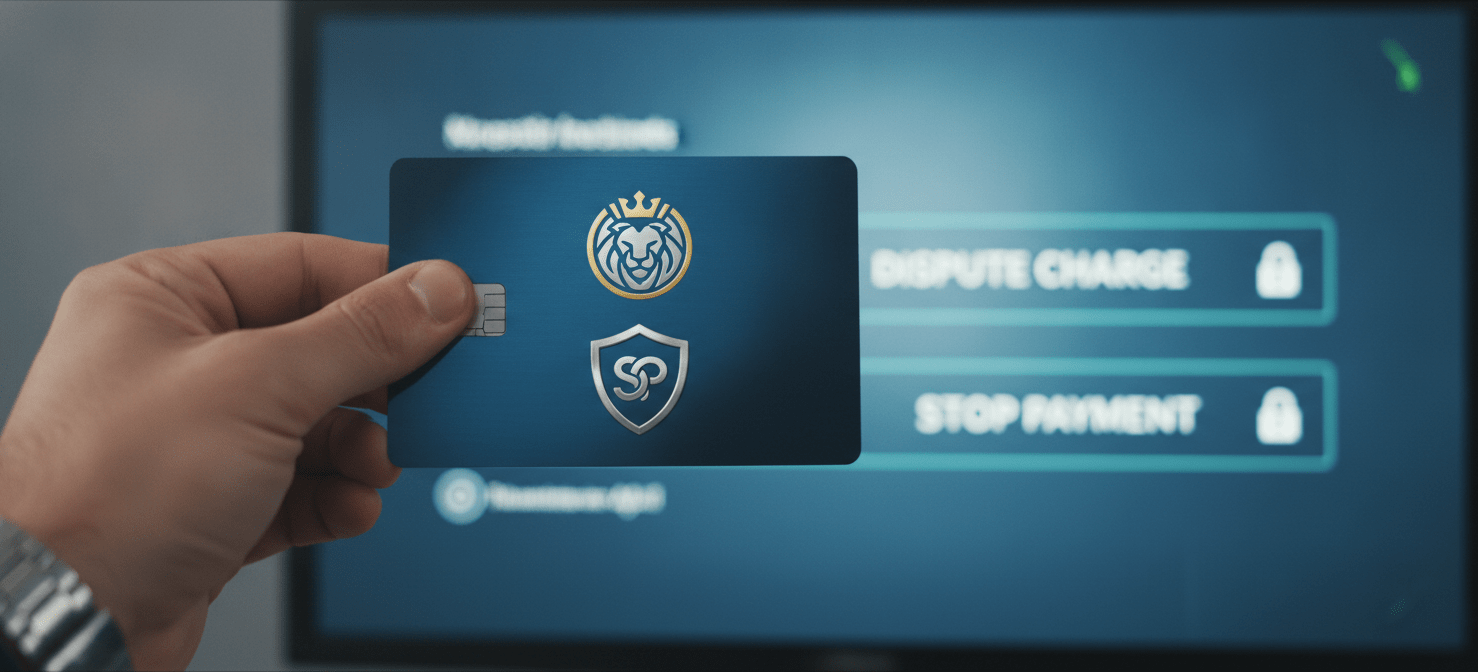
You have two primary options. First, you can request a “stop payment” on future charges from the company. This instructs your bank to block the merchant from debiting your account. Second, if you have already been charged after your cancellation request, you can file a “chargeback.” A chargeback reverses the transaction, pulling the money back from the merchant.
To initiate this process, you will need to provide your bank with the documentation you’ve been collecting. This evidence proves you made a good-faith effort to cancel the service directly with the provider. The Fair Credit Billing Act gives you the right to dispute billing errors, including charges for services you have already canceled.
Know Your Rights: How to Cancel a Subscription Legally
Many regions have enacted consumer protection laws to combat predatory subscription models. For instance, some laws mandate that companies must provide a simple and easily accessible online cancellation method if the initial sign-up was also online.
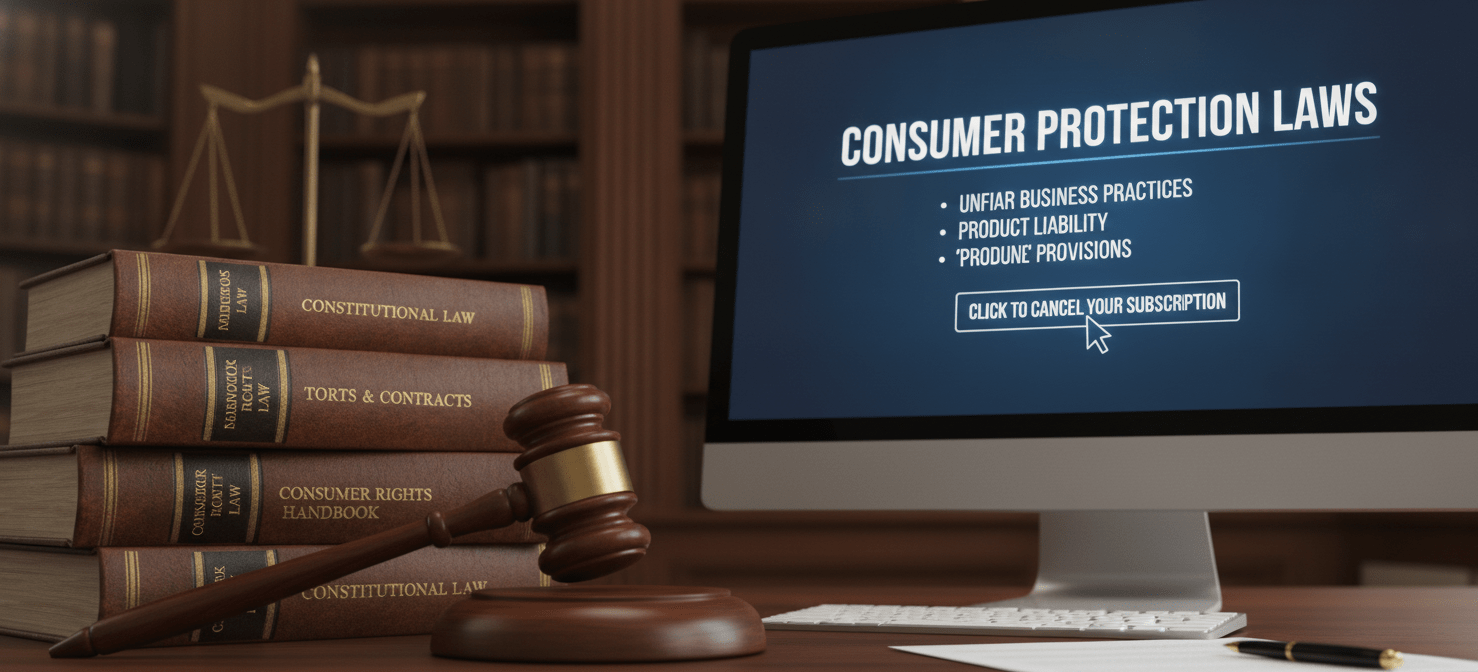
The Federal Trade Commission (FTC) has a “click to cancel” provision that requires businesses to make it as easy for consumers to cancel their enrollment as it was to sign up. This means if you can sign up online in two minutes, you should not have to spend 30 minutes on the phone navigating a complex phone tree to cancel. Knowing these regulations can empower you when dealing with uncooperative customer service. You can mention these specific rules, which often encourages compliance.
Conclusion
No one should have to fight to stop paying for a service they no longer use. By understanding the terms, documenting your efforts, being direct with customer service, and leveraging your bank, you can overcome even the most frustrating cancellation processes. Companies bet on consumers giving up out of sheer frustration. Following a methodical approach on how to cancel a subscription ensures you don’t let them win. After all, the money in your bank account is yours, and keeping it there is a fight worth having.
To empower yourself against these frustrating tactics and gain full visibility into your spending, you might consider how Binadox can help by beginning your free trial or arranging a personalized demo to see its capabilities.
 7-day free trial