



Software as a Service (SaaS) has become the backbone of modern business operations, but the convenience of subscription-based tools comes at a cost. Without regular oversight, these recurring expenses can quietly inflate your budget. A thorough subscription audit is a systematic review of all your recurring software and service payments to identify waste, eliminate redundancy, and optimize spending. For many companies, this process uncovers significant savings hidden in plain sight, turning a routine check-up into a powerful cost-cutting exercise.
Key takeaways
- Identify and Eliminate Waste: A primary goal is to find and cancel subscriptions for unused or underutilized software, which can account for over 50% of licenses in some companies.
- Consolidate and Optimize: Discover overlapping applications and opportunities to consolidate licenses or downgrade to more cost-effective tiers that still meet your team’s needs.
- Improve Security and Compliance: A full audit helps identify “shadow IT”—software used without official approval—reducing security risks and ensuring compliance with data protection regulations.
- Follow a 5-Step Process: A successful audit involves creating a comprehensive inventory, analyzing usage data, gathering employee feedback, making data-driven decisions, and scheduling regular reviews.
What Is a Subscription Audit?
A subscription audit, also known as a software subscription audit, is the process of methodically identifying, reviewing, and evaluating all the recurring subscription-based services your organization pays for. This includes everything from major platforms for project management and customer relationship management (CRM) to smaller, specialized tools used by individual teams.
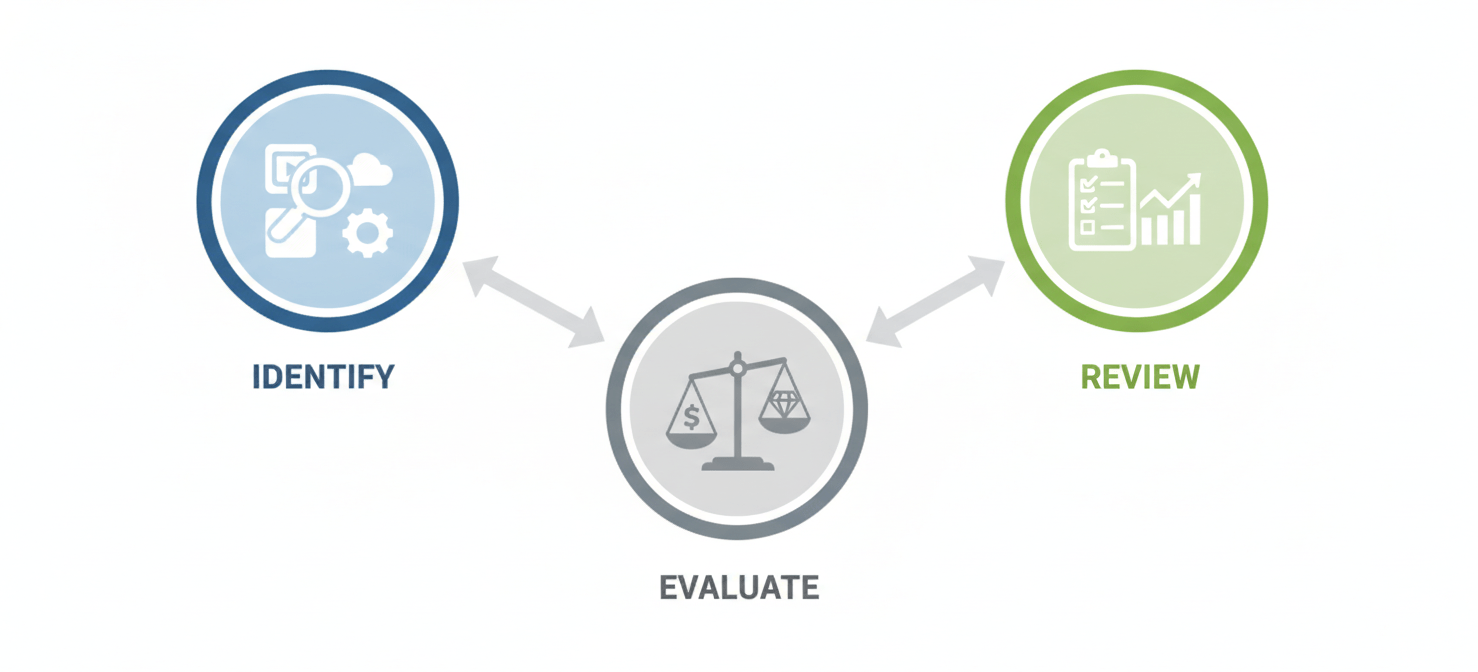
The core purpose is to gain a clear and complete picture of your entire SaaS portfolio. You need to understand what you have, who is using it, how much it costs, and whether it still provides value. This process goes beyond simply listing expenses; it involves a critical assessment of each tool’s utility and return on investment. By doing so, you can spot redundant applications, unused licenses, and opportunities to negotiate better terms with vendors, ultimately leading to more efficient operations and a healthier bottom line.
Why Are Regular Subscription Audits Crucial for Your Business?
Conducting regular subscription audits is not just a financial housekeeping task; it’s a strategic business practice with far-reaching benefits. In an environment where the average company manages hundreds of SaaS applications, failing to review them periodically can lead to significant financial waste and operational inefficiencies.
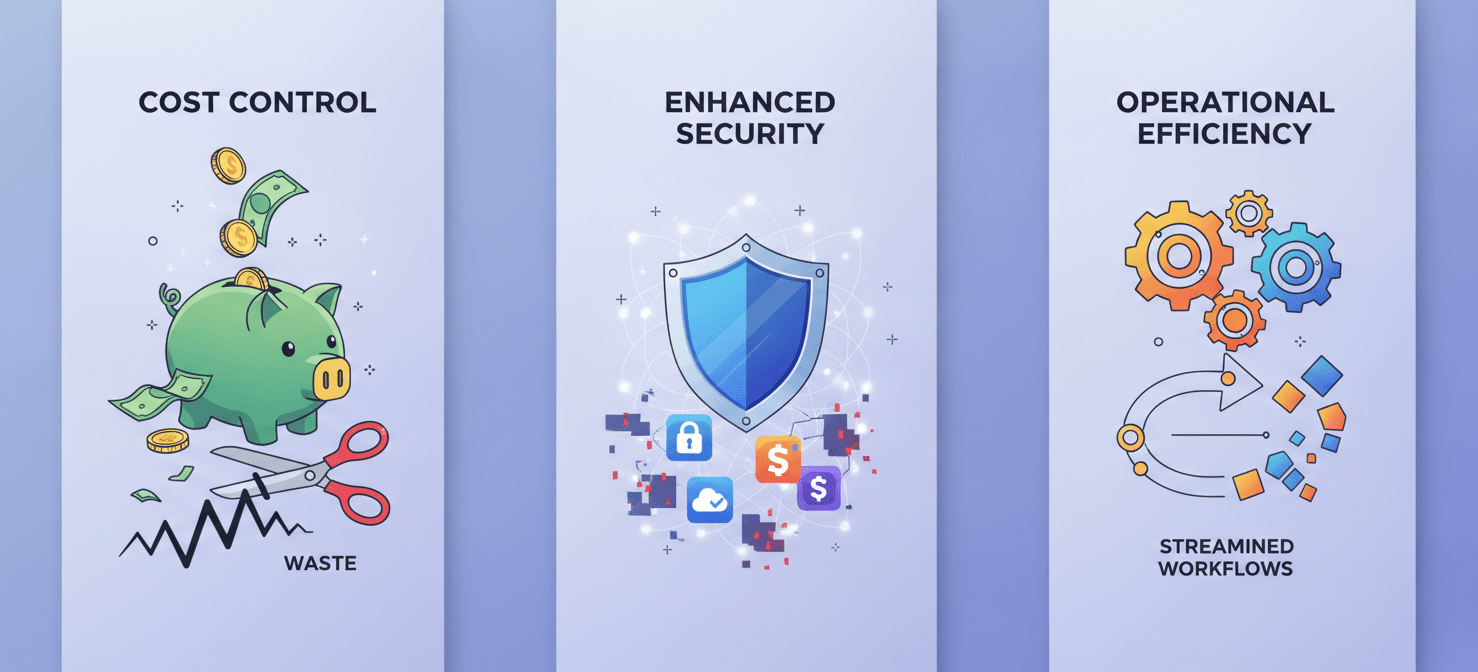
One of the most compelling reasons for a regular audit is cost control. Companies often waste a substantial portion of their software budget on unused or underutilized licenses. Research indicates that this waste can amount to millions of dollars annually for larger enterprises. These “ghost” subscriptions, often forgotten after an employee leaves or a project ends, continue to drain resources without providing any value.
Furthermore, audits enhance security and compliance. The rise of “shadow IT,” where employees subscribe to software without IT approval, creates significant security vulnerabilities. An audit brings these unsanctioned applications to light, allowing you to assess their security risks and ensure they comply with data protection standards like GDPR or HIPAA.
Finally, a software subscription audit improves operational efficiency. By identifying redundant tools—for instance, multiple teams using different project management apps—you can standardize on a single platform. This not only cuts costs but also improves collaboration and simplifies workflows across the organization. Regular reviews ensure your software stack evolves with your business needs, preventing tool fatigue and ensuring your team has the best resources to succeed.
How to Conduct a Subscription Audit: A Step-by-Step Guide
A systematic approach is essential for a successful software subscription audit. Following a clear, step-by-step process ensures you cover all bases and make informed decisions.
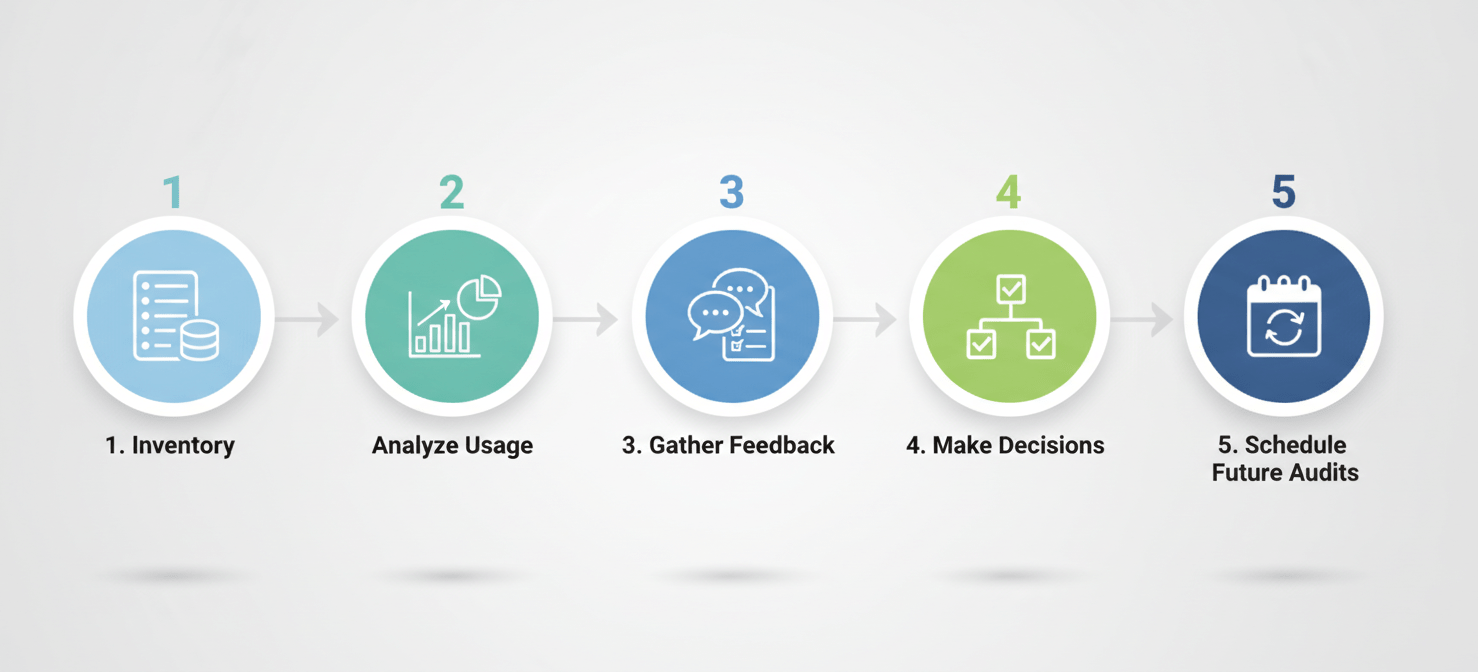
Step 1: Create a Comprehensive Inventory
The first step is to discover and list every single subscription your company pays for. You cannot manage what you cannot see. To do this, you’ll need to centralize your data.
Start by collaborating with your finance and procurement teams to review credit card statements, expense reports, and purchase orders for recurring payments to SaaS vendors. This is often where you’ll uncover shadow IT subscriptions that were purchased outside of official channels. Create a master spreadsheet or use a dedicated SaaS management platform to log each subscription. For each entry, include the software name, owner/department, cost, billing cycle (monthly/annual), and renewal date.
Step 2: Analyze Usage and Adoption Data
Once you have your inventory, the next phase is to determine how—and if—each tool is being used. Many major SaaS platforms provide administrative dashboards with detailed usage analytics. Look for key metrics like the number of active users, the date of the last login for each user, and the utilization of key features.
This data will help you identify underused licenses immediately. For example, if you’re paying for 100 licenses but only 60 employees have logged in within the past 90 days, you have a clear opportunity to reduce your seat count. Similarly, if your team is only using basic features of a premium-tier plan, you may be able to downgrade to a cheaper option without impacting productivity.
Step 3: Gather Feedback from Your Team
Data tells part of the story, but qualitative feedback from your employees is equally important. They are the ones using these tools every day and can provide valuable context that numbers alone cannot.
Distribute surveys or conduct brief interviews with department heads and key users of each software. Ask them which tools are essential to their workflow, which they find redundant, and if there are any features they need but don’t have. This engagement not only provides critical insights but also fosters a sense of shared ownership in the process, making it easier to implement changes later on.
Step 4: Make Data-Driven Decisions
With both quantitative usage data and qualitative employee feedback in hand, you can begin making informed decisions. Categorize each subscription as “Keep,” “Cancel,” “Downgrade,” or “Consolidate.”
- Keep: Essential tools with high usage and clear ROI.
- Cancel: Unused, redundant, or low-value subscriptions.
- Downgrade: Subscriptions where you are paying for more licenses or features than you need.
- Consolidate: Overlapping applications where you can standardize on a single solution to save money and improve collaboration.
For subscriptions you decide to keep, use the usage data as leverage when negotiating renewals with vendors. If you can demonstrate that a portion of your licenses are consistently inactive, you are in a much stronger position to secure a better price.
Step 5: Schedule and Automate Future Audits
A subscription audit is not a one-time event. To prevent subscription sprawl from creeping back in, you must establish a regular review cycle. For most organizations, conducting a full audit annually or semi-annually is a good practice. Set calendar reminders for renewal dates well in advance to give your team enough time to reassess each tool before it auto-renews.
Consider implementing a formal procurement process for all new software requests. This ensures that every new subscription is vetted for necessity, security, and redundancy before any money is spent, making future audits much more manageable.
Tools and Software for Managing Subscriptions
While a manual audit using spreadsheets is feasible for smaller companies, it quickly becomes overwhelming as an organization grows. Dedicated SaaS management platforms (SMPs) automate much of the process, providing real-time visibility and control over your software stack.
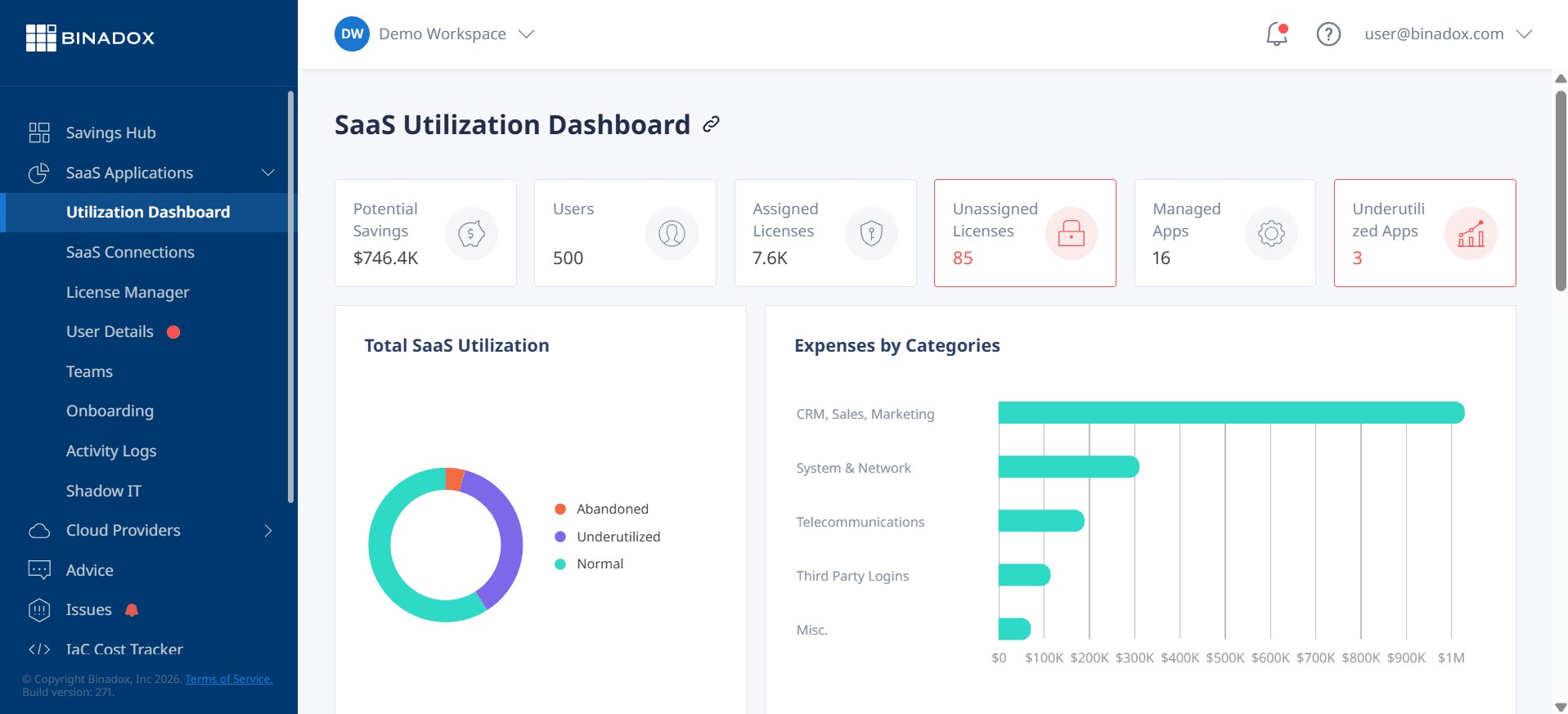
These platforms integrate with your financial systems to automatically discover all software spending, including shadow IT. They provide a centralized dashboard to track usage, manage licenses, and monitor upcoming renewals. Popular tools in this category include:
- Zylo: Offers comprehensive discovery, optimization, and governance features to manage your entire SaaS portfolio.
- Recurly: Focuses on subscription billing and management, helping to automate revenue recognition and reduce churn.
- Chargebee: A subscription management platform that helps with billing, invoicing, and revenue operations.
- Zuora: An enterprise-grade solution designed for large businesses with complex subscription models.
Using a dedicated tool can significantly reduce the manual effort required for a saas audit checklist, improve accuracy, and provide deeper insights for cost optimization.
Common Challenges and How to Overcome Them
Conducting a subscription audit is not without its challenges. One of the biggest hurdles is a lack of visibility. With decentralized purchasing, it’s difficult to get a complete picture of all the software being used. Overcoming this requires strong collaboration between IT, finance, and department heads to centralize purchasing data.

Another common issue is getting buy-in from different teams. Employees may be resistant to giving up tools they are familiar with, even if a better or more cost-effective alternative exists. To address this, frame the audit as a collaborative effort to improve efficiency and free up budget for more valuable resources, rather than just a cost-cutting measure. Share the data you’ve collected to demonstrate why changes are necessary.
Finally, many companies struggle to turn the audit into an ongoing process. The initial clean-up provides immediate savings, but without a sustained effort, costs will inevitably creep back up. The key is to establish a clear, lightweight governance process for all software procurement and to schedule regular, automated reviews using a SaaS management platform.
Conclusion
In the end, a subscription audit is less about pinching pennies and more about smart resource allocation. The process of combing through expenses, questioning utility, and trimming waste is fundamental to financial health. It forces a necessary conversation about value: are you paying for tools that propel your business forward, or are you funding a digital graveyard of forgotten logins and redundant platforms? By implementing a regular subscription audit, you move from a reactive state of surprise renewals to a proactive strategy of intentional investment. The savings are tangible, but the resulting operational clarity and efficiency are where the real value lies. After all, a budget is not just a set of limits; it’s a statement of priorities.
To proactively manage your SaaS portfolio and ensure every investment drives value, you can experience the benefits of Binadox by starting your free trial, or for a deeper dive into its features, consider scheduling a personalized walkthrough with our experts.
 7-day free trial