



For a founder or CTO, runway is everything. Every dollar spent on infrastructure, tools, and software is a dollar not spent on hiring engineers or acquiring customers. Effective startup IT cost management isn’t just about saving money; it’s a critical mechanism for extending that runway, enabling you to pivot, persevere, and ultimately find product-market fit before the cash runs out. This isn’t about being cheap. Instead, it’s about being ruthlessly efficient, ensuring every dollar spent on technology directly supports your primary business KPIs—whether that’s shipping features, closing deals, or supporting users.
Key takeaways
- Right-size from day one: Avoid over-engineering your infrastructure. Start with a “good enough” approach and scale as your usage and revenue demand it.
- Audit SaaS relentlessly: Organizations waste an average of 46% of their SaaS licenses. A quarterly audit can reclaim thousands in zombie subscriptions and underutilized seats.
- Leverage cloud credits strategically: Major providers offer significant startup credits, with programs like the Google for Startups Cloud Program offering up to $350,000.
- Negotiate everything: Most SaaS vendors build a 10-30% negotiation buffer into their pricing. Never accept the list price without a conversation.
The ‘Good Enough’ Infrastructure: Avoiding Over-Engineering
In the race to build an MVP, the temptation to build for “internet scale” from day one is a costly trap. Your primary goal is to validate a hypothesis, not to build a system that can handle millions of concurrent users when you only have a handful. Over-engineering burns cash and, more importantly, engineering hours that could be spent iterating on the product itself.

A lean startup IT infrastructure prioritizes speed of iteration over premature scalability. This means choosing managed services over self-hosting complex systems, opting for simpler architectures, and deferring complexity until it’s a genuine business need.
Choosing Your Battles: Managed vs. Self-Hosted
Every piece of infrastructure you decide to run yourself is a long-term liability. It requires patching, monitoring, and troubleshooting—all of which are distractions from your core mission.
- Databases: Instead of deploying and managing a PostgreSQL cluster on virtual machines, use a managed service like Amazon RDS or Google Cloud SQL. You pay a premium, but you offload the operational burden of backups, patching, and high availability.
- Kubernetes: Do you really need Kubernetes on day one? For many early-stage applications, a simpler platform like AWS Elastic Beanstalk, Google App Engine, or even a Platform-as-a-Service (PaaS) like Heroku can get you to market faster and with less operational overhead.
- Monitoring: Self-hosting an observability stack (like Prometheus and Grafana) can consume significant engineering time. A managed service might seem more expensive upfront, but it frees your team to focus on product development.
The key is to calculate the Total Cost of Ownership (TCO), not just the sticker price. The “free” of open-source is often paid for in expensive engineering salaries.
Taming the SaaS Beast: Subscription Audits and Optimization
SaaS spending is a silent runway killer. Organizations use an average of 130 SaaS applications, and that number creeps up with every new hire and “free trial” that converts to a paid plan. Without active SaaS spend management for startups, you’re likely burning cash on unused licenses, redundant tools, and forgotten subscriptions.
The Quarterly SaaS Audit: A 3-Step Process
Institute a mandatory audit every quarter. No exceptions.
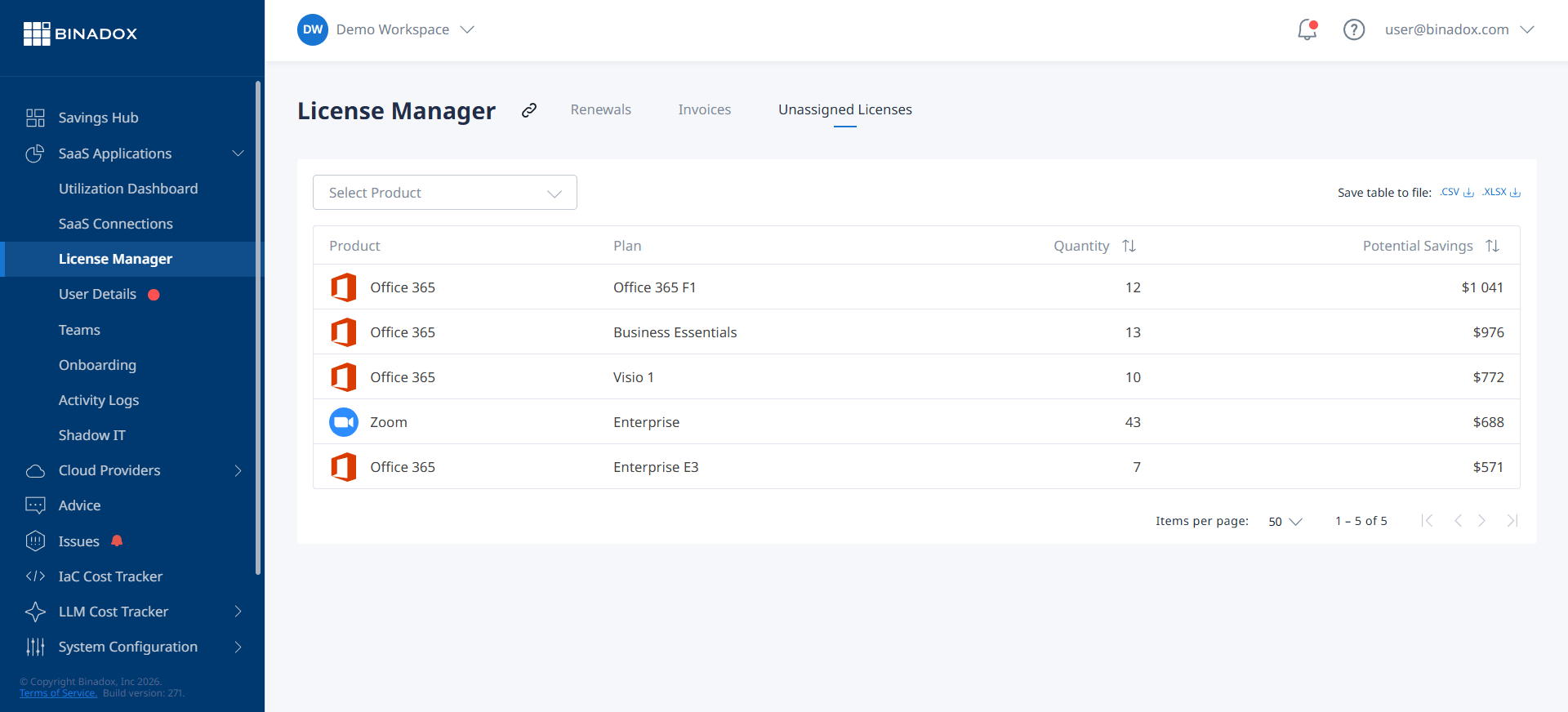
- Discover and Centralize: First, you can’t manage what you can’t see. Use a spreadsheet or a SaaS management tool to list every single subscription. Scour credit card statements, expense reports, and ask team leads for a full accounting. Note the owner, monthly/annual cost, and renewal date for each.
- Analyze Usage: For each tool, ask the hard questions. Is it critical? Who is using it? Dig into the admin dashboards. Most platforms provide usage metrics. If you’re paying for 20 seats but only 5 people have logged in this month, you have an immediate cost-saving opportunity.
- Consolidate and Eliminate: Look for redundancies. Are you paying for multiple project management tools? Do you have three different subscriptions for video conferencing? Standardize on a single tool for each function. Furthermore, be ruthless about eliminating “nice-to-have” software that isn’t delivering clear ROI.
This process consistently uncovers “zombie licenses”—subscriptions tied to former employees that were never canceled. This is low-hanging fruit that can immediately extend your runway.
Cloud Costs: From Bill Shock to Bill Chill
Cloud billing is notoriously complex. A single misconfiguration or an unexpected spike in usage can lead to a shocking monthly bill that eats into your capital. The goal is to move from a reactive state of “bill shock” to a proactive state of control and predictability.
Startup IT Cost Management in the Cloud
Effective cloud cost management is a continuous process, not a one-time fix.
- Visibility and Tagging: The first step is always visibility. Use the native cloud cost management tools like AWS Cost Explorer or Google Cloud Billing Reports to understand where your money is going. Implement a strict resource tagging policy from day one. Tag resources by project, team, or environment (dev, staging, prod) to accurately allocate costs.
- Right-Sizing and Idle Resources: Over-provisioning is a common source of waste. Regularly review your compute instances and storage to ensure they match actual usage. Shut down development and staging environments during nights and weekends. These small savings compound significantly over time.
- Leverage Startup Credits: This is the single most impactful strategy for an early-stage startup. AWS Activate, Microsoft for Startups, and Google for Startups Cloud Program offer hundreds of thousands of dollars in free credits. These programs are designed to lock you into an ecosystem, but they provide a critical financial buffer in your first 1-2 years.
The Hidden Costs of ‘Free’ and Open-Source Software
Open-source software (OSS) is a cornerstone of the modern tech stack, but “free” doesn’t mean zero cost. While you don’t pay a licensing fee, you pay in other ways that directly impact your runway.
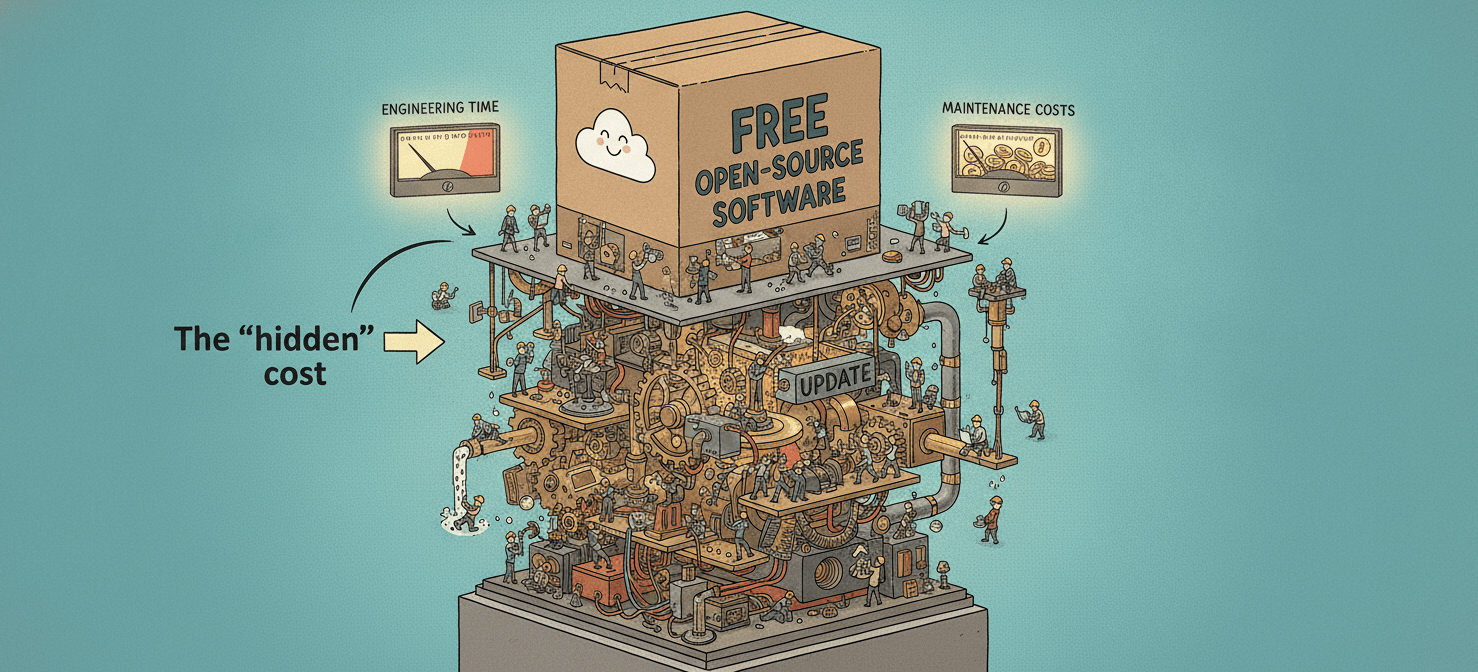
The true cost of OSS is the engineering time required for implementation, customization, maintenance, and support. A Forrester Research report found that mid-size enterprises can spend between $40,000 to $90,000 annually on just open-source customization and integration. For a startup, this translates to your most valuable resource—engineering hours—being spent on infrastructure janitorial work instead of building your product.
Before choosing an open-source solution over a paid alternative, perform a TCO analysis. Factor in the fully-loaded salary of the engineers who will need to maintain it. If an engineer making $150,000 a year spends just 20% of their time managing an “free” tool, that’s a $30,000 annual cost. Often, a managed service with a predictable monthly fee is the more capital-efficient choice.
Negotiation and Vendor Management: Your Secret Weapon
Every SaaS subscription and software contract is negotiable. Vendors have sales quotas and build flexibility into their pricing. Approaching these conversations with a clear strategy can yield significant savings.

Simple Rules for Better SaaS Deals
- Never Accept the First Offer: The price on the website is a starting point. Always ask for a startup discount or better terms.
- Leverage Competition: Before negotiating, get quotes from at least two competitors. Having a credible Best Alternative to a Negotiated Agreement (BATNA) is your strongest source of leverage.
- Negotiate More Than Price: If the vendor won’t budge on price, negotiate other terms. Ask for a longer trial period, more user seats, or a cap on renewal price increases. A 3-5% cap on annual increases can prevent painful surprises down the road.
- Time Your Purchase: Engage with sales reps near the end of the quarter or fiscal year. They are often more flexible when trying to hit their targets.
Building a Cost-Conscious Engineering Culture
Ultimately, sustainable cost management is a cultural issue. It must be embedded in your engineering team’s DNA. This isn’t about micromanaging developers but empowering them with visibility and accountability.
From Code to Costs
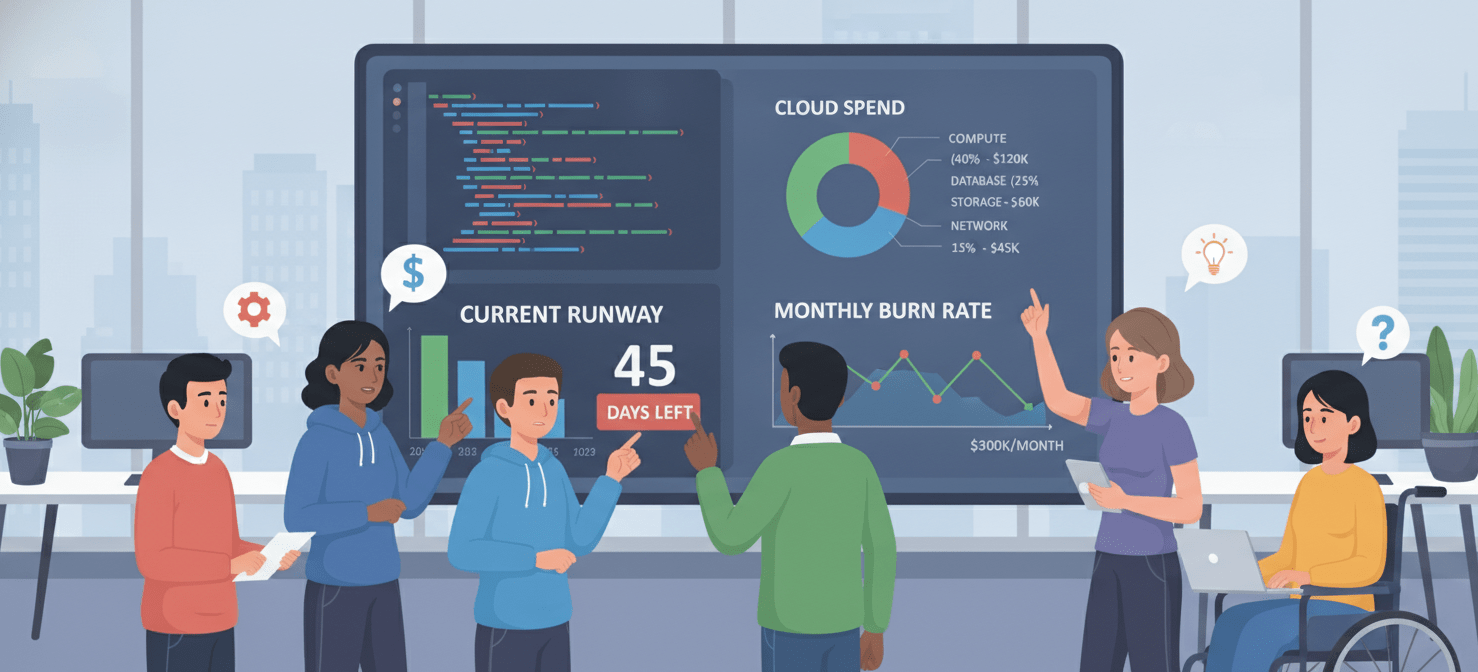
- Make Costs Visible: Pipe cloud cost data into a shared Slack channel. When an engineer spins up a large new database, the cost impact should be visible to the team. This creates a feedback loop that encourages responsible resource provisioning.
- Incorporate Cost into Design: During architecture reviews, make cost a primary consideration alongside performance and scalability. Ask questions like, “What is the most cost-effective way to build this feature?” and “What are the long-term cost implications of this architectural choice?”
- Incentivize Savings: Tie engineering goals to efficiency metrics. Reward teams or individuals who identify and implement significant cost savings. This aligns their incentives with the financial health of the company.
Conclusion
For a founder, managing the burn rate is a primary responsibility. Technology spending, with its recurring subscriptions and complex cloud bills, can quickly spiral out of control. However, by treating it with the same rigor you apply to product development or fundraising, you can transform it from a liability into a strategic advantage. Effective startup IT cost management is not about saying “no” to every expense. It’s about ensuring every dollar you spend is a deliberate investment that buys you more time, more shots on goal, and a greater chance of building a business that lasts. The goal isn’t the lowest cloud bill; it’s the most efficient use of capital to maximize your runway.
To move beyond just cutting costs and truly optimize your IT spending for maximum runway, you can start with Binadox to gain immediate clarity and control, or book a demo to discuss your specific needs.
 7-day free trial