



For finance and procurement leaders, the rapid expansion of Software-as-a-Service (SaaS) applications presents a significant and often uncontrolled expense category. Without a disciplined approach, SaaS costs can quietly erode margins through auto-renewals, underutilized licenses, and non-negotiated price hikes. A proactive, data-driven saas renewal negotiation strategy is not merely a procurement task; it is a critical financial control. By transforming renewals from a reactive checkbox item into a strategic opportunity, your team can directly impact the bottom line, improve budget forecasting accuracy, and enforce fiscal discipline across the organization.
Key takeaways
- Start Early for Maximum Leverage: Begin the renewal process at least 90-120 days before the contract’s opt-out date to allow ample time for data collection, stakeholder alignment, and market analysis.
- Data is Your Strongest Negotiating Tool: Arm your team with precise data on license utilization, user engagement, and competitive pricing benchmarks to justify cost reductions and right-sizing. Underutilization is common, with some reports indicating that up to 46% of SaaS licenses can go unused over a 30-day period.
- Negotiate Beyond the Price Tag: Focus on total contract value by negotiating terms like renewal price caps (typically 3-5%), payment schedules, Service Level Agreements (SLAs), and data security protocols.
- Achieve Significant Savings: Organizations that actively negotiate their SaaS contracts can achieve cost savings of 10-30% compared to initial vendor proposals.
The Financial Imperative of Proactive SaaS Vendor Management
SaaS spending has become one of the largest operational expense categories for many businesses, trailing only payroll and real estate. However, unlike those categories, SaaS spend is often decentralized and poorly tracked, leading to significant budget leakage. The core issue is a reactive approach to renewals. When contracts are left to auto-renew, you concede all negotiating power and implicitly accept any price increases the vendor imposes. These increases are not trivial; recent industry data shows SaaS pricing has been rising by an average of 8-12% annually.
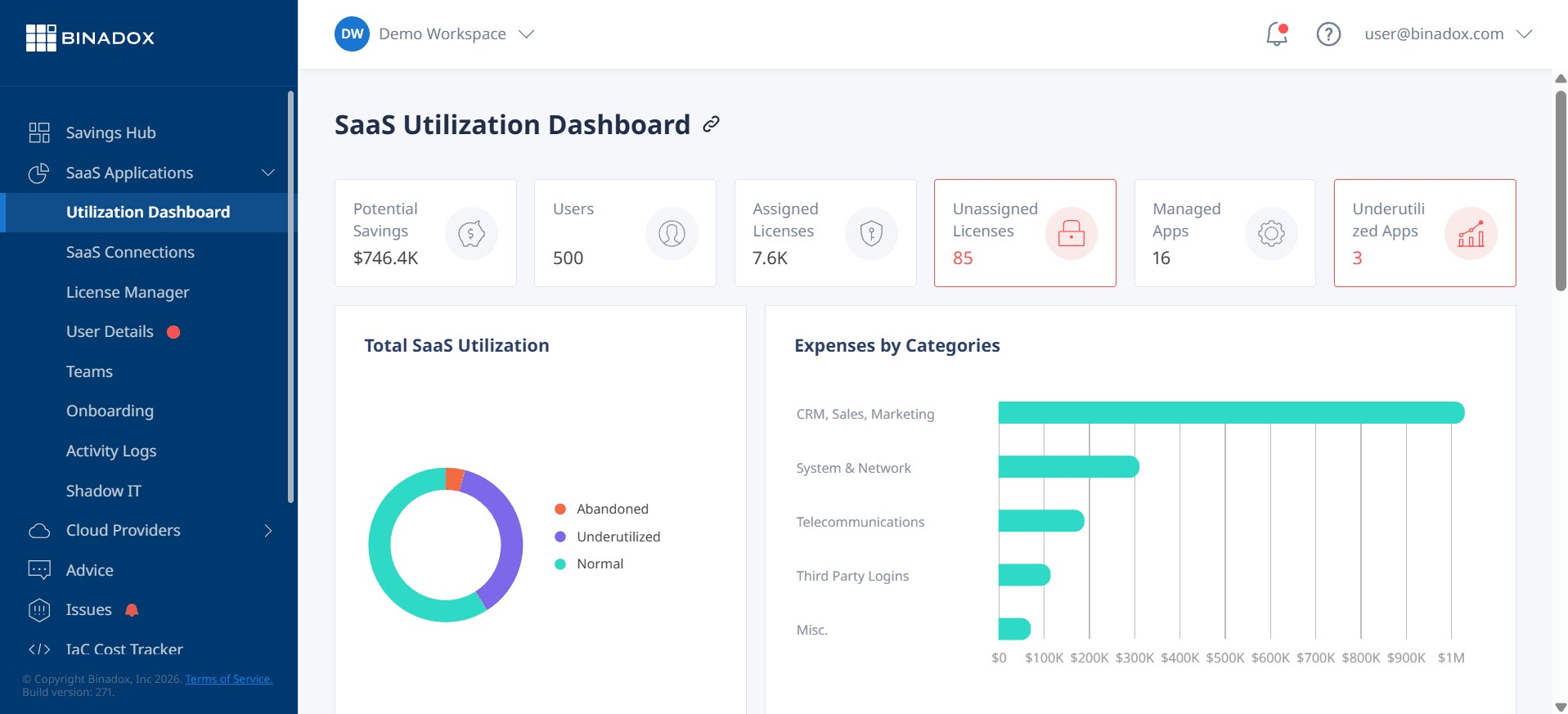
This passive acceptance of terms leads to a measurable loss of value. Organizations lose an average of 8.6% of their total spending each year to “contract value leakage”—a direct result of mismanaged agreements and missed negotiation opportunities. Proactive software contract negotiation directly counters this trend. It shifts the finance team’s role from a passive bill-payer to an active manager of technology ROI. By systematically evaluating the necessity, utilization, and cost of each application, you can eliminate redundant tools, right-size license counts, and secure more favorable terms, turning a routine administrative task into a recurring source of savings.
Pre-Negotiation Preparation: Your 90-Day Roadmap
The single biggest mistake in SaaS renewals is procrastination. Leverage is highest when you have ample time to evaluate alternatives and build a data-backed case. A structured 90-day roadmap is essential for entering any negotiation from a position of strength.
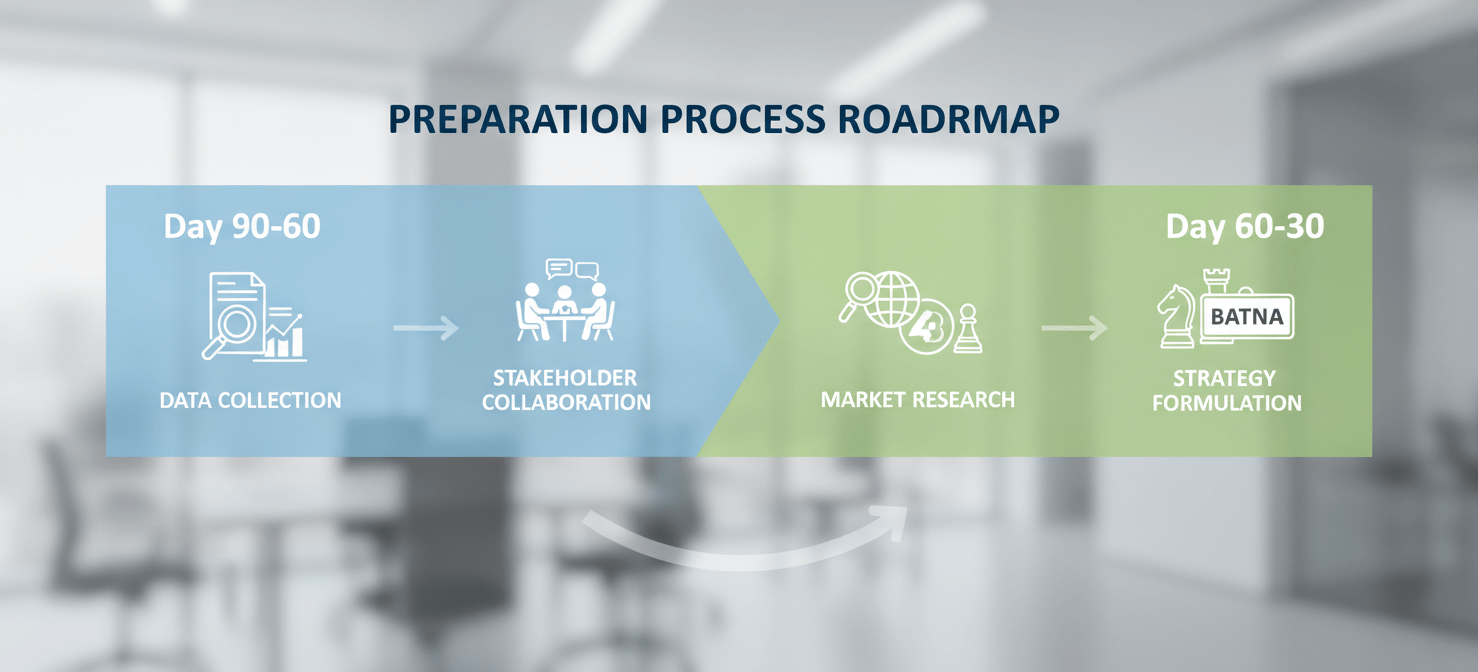
Day 90-60: Data Collection and Stakeholder Alignment
The initial phase is dedicated to internal discovery. Your primary objective is to understand the true usage and business value of the software.
- Conduct a Utilization Audit: Go beyond simple license counts. Work with IT and department heads to gather data on active users, feature usage, and overall engagement. The goal is to identify “shelf-ware”—licenses that are paid for but unused. An estimated 30% of cloud software fees are for dormant or underutilized licenses.
- Align with Business Stakeholders: Assemble a cross-functional team including the primary users of the software, IT, and legal. This collaboration is crucial for defining the actual business requirements. Does the team truly need all the features of the premium tier, or would a lower-cost plan suffice? Are there upcoming projects that will require more seats, or is a headcount reduction planned?
- Review the Existing Contract: Locate and thoroughly review the current agreement. Pay close attention to the auto-renewal clause, the required notice period for termination (often 60-90 days), and any language regarding price escalations.
Day 60-30: Market Analysis and Leverage Identification
With internal data in hand, the focus shifts to the external market. This is where you build the leverage needed for a successful negotiation.
- Benchmark Current Pricing: Research what peer companies are paying for the same or similar services. This data provides a powerful anchor for your negotiation, allowing you to argue for fair market pricing rather than accepting the vendor’s list price.
- Identify and Evaluate Alternatives: Even if you have no intention of switching providers, obtaining quotes from 2-3 competitors is a critical step. This process establishes your Best Alternative to a Negotiated Agreement (BATNA) and demonstrates to the vendor that you have viable options.
- Define Your Walk-Away Point: Based on your budget, business needs, and the available alternatives, determine the maximum price and the minimum terms you are willing to accept. Do not be afraid to walk away if a vendor is unwilling to meet your essential requirements.
Key Levers in Your SaaS Renewal Negotiation
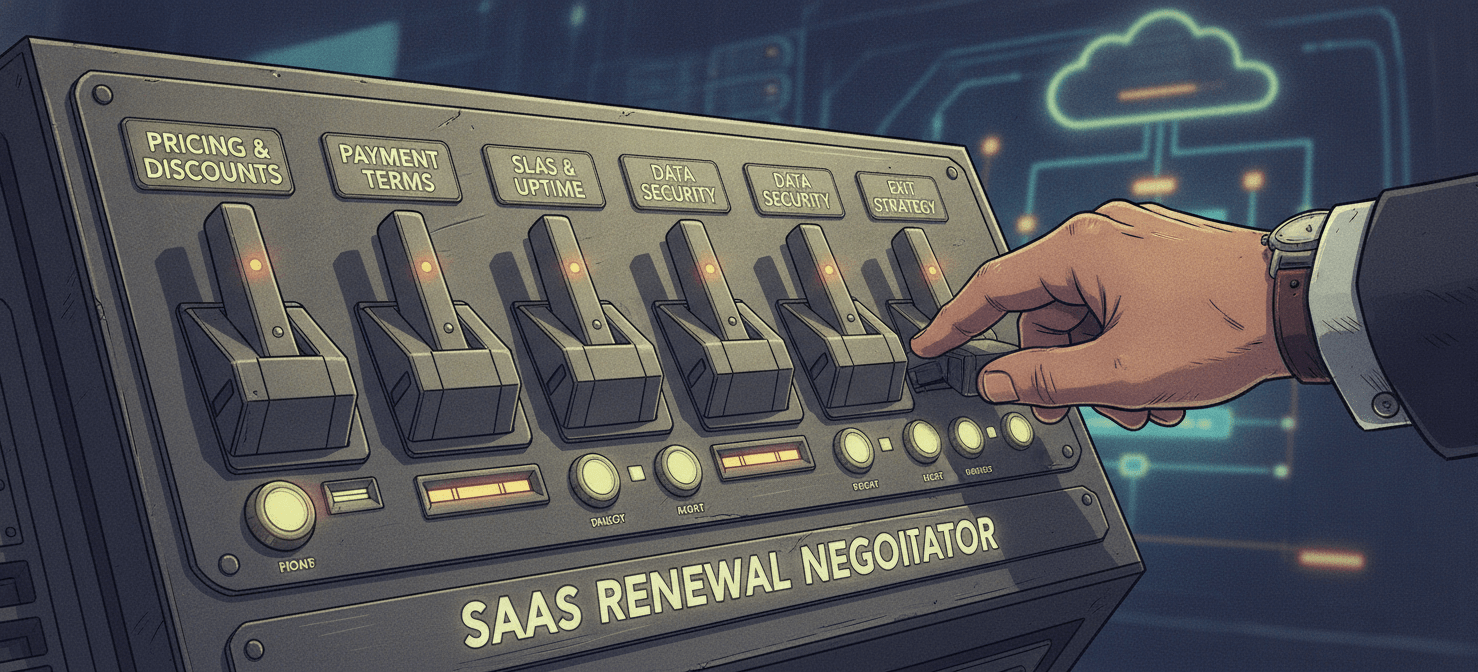
A successful saas renewal negotiation goes far beyond haggling over the subscription fee. Finance and procurement teams should focus on multiple contractual levers that collectively determine the total cost of ownership and mitigate future financial risk. Each of these elements represents a point of negotiation with tangible value.
Pricing and Payment Terms
While the sticker price is the most obvious target, the structure of the deal offers significant room for optimization.
- Multi-Year Contracts: Vendors often provide discounts for longer commitments. A multi-year deal can lock in a favorable rate, but it’s crucial to negotiate a one-year exit clause to maintain flexibility if the tool underperforms or business needs change.
- Renewal Price Caps: One of the most critical terms to negotiate is a cap on future price increases. Without a cap, you are exposed to unpredictable budget shocks at each renewal. Aim for a written cap of 3-5% annually.
- Payment Schedule: Annual pre-payment typically secures a discount compared to quarterly or monthly billing. However, if cash flow is a priority, negotiating quarterly payments with a minimal premium can be a strategic choice.
Service Levels and Security
These terms define the performance and security standards you can expect and are critical for risk management.
- Service Level Agreements (SLAs): The contract must clearly define the vendor’s commitment to service availability and uptime. Vague promises are insufficient; insist on specific, measurable uptime percentages (e.g., 99.9%) and real financial penalties or service credits if the vendor fails to meet them.
- Data Security and Ownership: The agreement should explicitly state that you own all data uploaded to the platform. Furthermore, it must detail the vendor’s security protocols, compliance with regulations like GDPR, and procedures for data export should you choose to terminate the service.
Scalability and Exit Strategy
A good contract anticipates future changes, protecting you from being locked into an agreement that no longer fits your needs.
- License Scalability: The contract should allow for flexibility. Negotiate the ability to scale licenses up or down based on actual usage without excessive penalties.
- Termination and Auto-Renewal: Always push to eliminate auto-renewal clauses or, at a minimum, ensure the opt-out window is reasonable. The termination clause should clearly outline the process and costs for ending the agreement, ensuring a clean exit strategy.
Executing the Negotiation: Tactics for CFOs and Procurement
With thorough preparation complete, the execution phase requires a disciplined and strategic approach. The goal is not to create an adversarial relationship but to secure a commercially viable agreement that reflects the true value of the partnership.

First, centralize communication through a single point of contact on your team. This prevents mixed messages and ensures the vendor receives a unified set of priorities. When engaging the vendor’s sales representative, remember that they operate on quotas and timelines. Leveraging timing, such as negotiating near the end of a quarter or fiscal year, can often create pressure for them to close a deal on more favorable terms.
Next, never accept the first offer. Initial proposals are designed with a built-in buffer for concessions. Present your data-driven case calmly and professionally. Use pricing benchmarks to frame your counter-offer and usage data to justify any requested changes in license count or tier. If the vendor claims a feature justifies a higher price, be prepared to discuss the actual utilization and ROI of that specific feature for your organization.
Furthermore, negotiate multiple terms simultaneously rather than focusing solely on price. This allows for trade-offs. For example, you might agree to a slightly longer contract term in exchange for a lower annual rate and a firm price cap on future renewals. Finally, use silence strategically. After a vendor presents an offer, pausing before you respond can create pressure on their end, often prompting them to offer additional concessions to fill the silence.
Post-Negotiation: Contract Management and Performance Tracking
Securing a favorable contract is only half the battle. The real financial discipline comes from systematic post-negotiation management. Without it, you risk losing the value you just fought for. The first step is to establish a centralized contract repository. This system should serve as the single source of truth for all SaaS agreements, tracking key data points like renewal dates, notice periods, costs, and ownership.
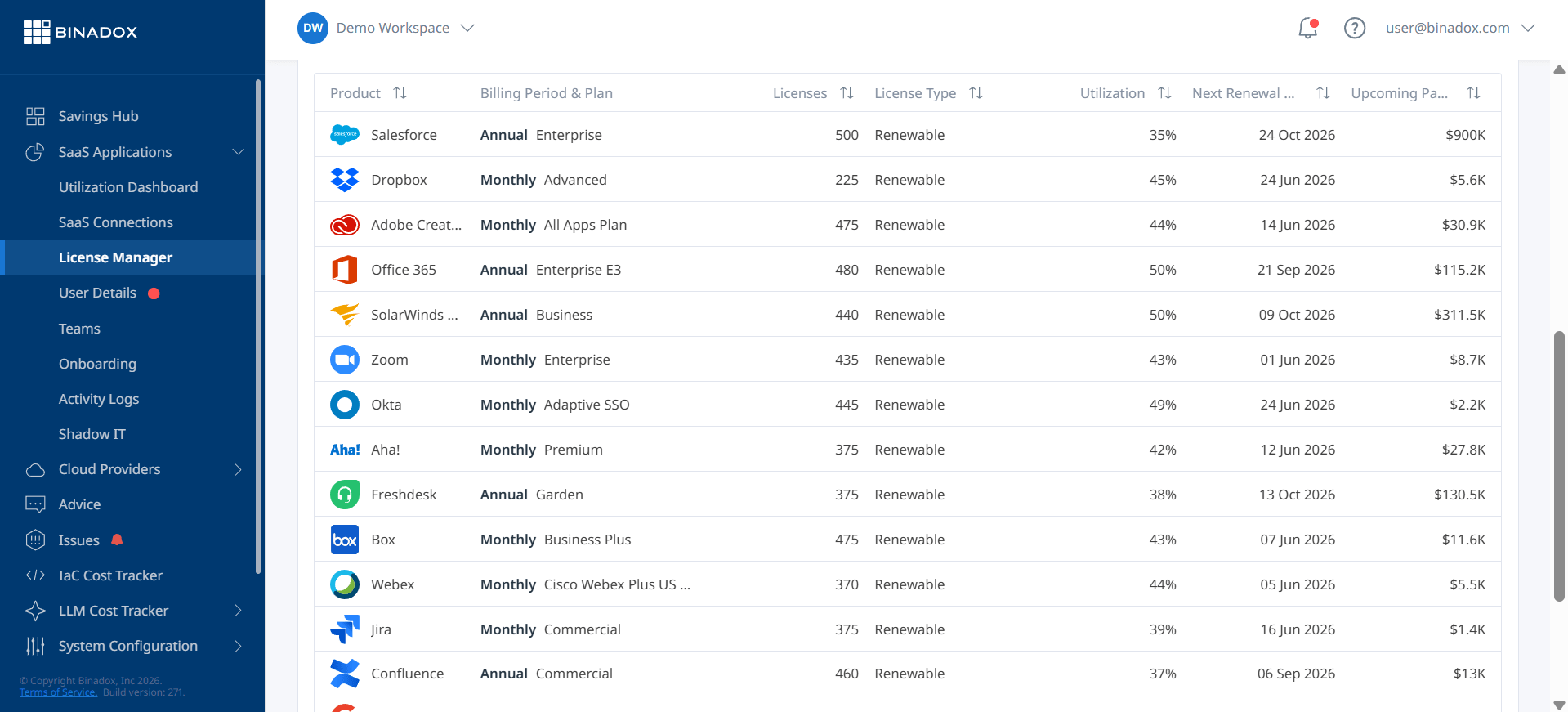
Next, implement automated alerts for key dates. Set reminders for 120, 90, and 60 days before the opt-out date for every contract. This simple action prevents renewals from sneaking up on your team and ensures you always have enough time to prepare for the next negotiation cycle. This proactive calendar management is the foundation of a strategic approach.
Finally, continue to track performance and ROI against the newly negotiated terms. Are the service levels being met? Is the software adoption and utilization consistent with the business case presented during the negotiation? This ongoing analysis provides the data and justification needed for the next saas renewal negotiation, creating a continuous cycle of optimization and cost control.
Conclusion
Treating SaaS renewals as an administrative afterthought is a direct path to budget overruns and diminished ROI. For finance and procurement leaders, a structured and assertive saas renewal negotiation process is a powerful lever for fiscal control. It requires a disciplined approach: preparing with data, understanding market alternatives, negotiating on total value rather than just price, and managing the contract diligently after the ink has dried. By shifting from a reactive to a proactive stance, you transform a recurring expense into a recurring opportunity to reclaim budget, improve forecasting accuracy, and enforce a culture of accountability for every dollar of technology spend. After all, a vendor’s renewal notice isn’t a bill; it’s an invitation to negotiate.
To truly empower your finance team with the data and control needed for strategic SaaS renewals, consider exploring how Binadox can centralize your spend management, allowing you to experience its full potential at no cost or to schedule a consultation with our team.
 7-day free trial