




Databases are the heart of modern applications, storing everything from user credentials to sensitive financial data. However, their importance also makes them a prime target for attackers. When access to these critical systems is not properly controlled, it creates significant vulnerabilities. The dangers of unrestricted MySQL, Oracle, and SQL Server access are not just theoretical; they can lead to catastrophic data breaches, financial loss, and severe reputational damage. Understanding and mitigating these risks is a fundamental aspect of cybersecurity. This article explores the core dangers and provides practical steps to secure your database environments.
Key takeaways
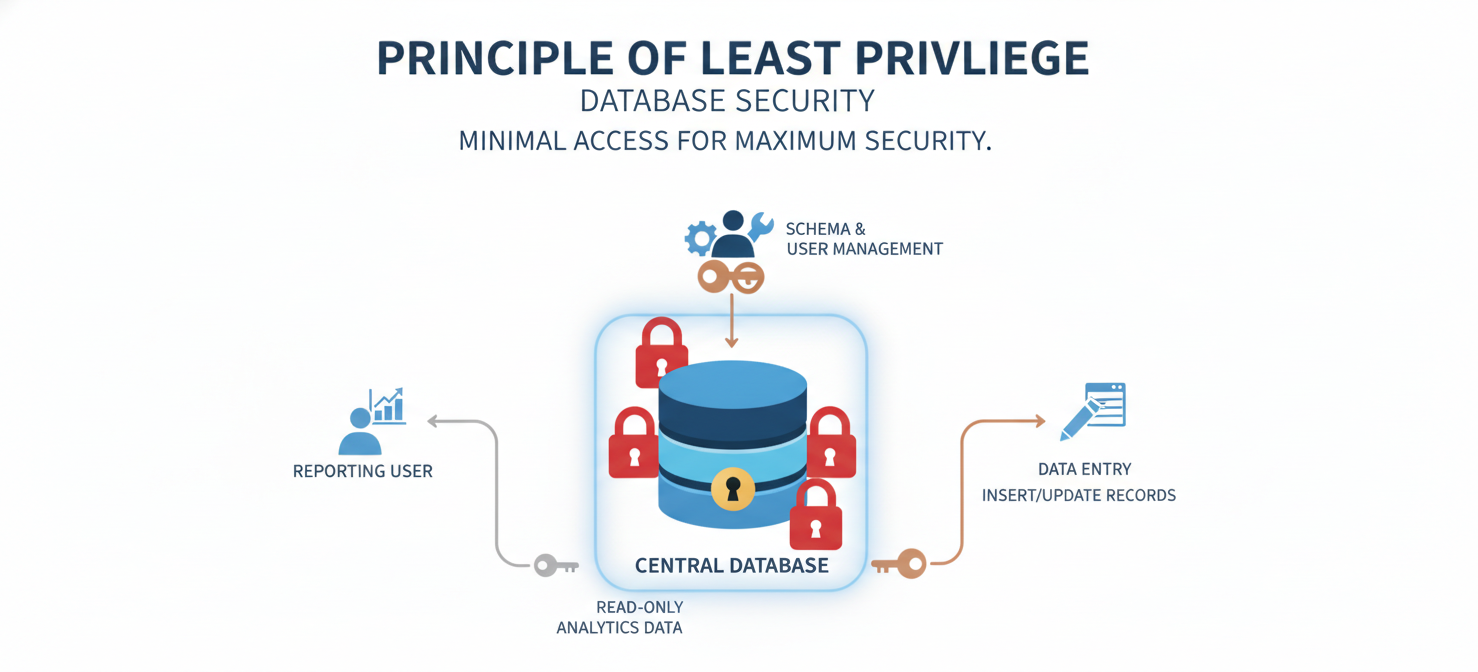
- Principle of Least Privilege: Grant users and applications only the absolute minimum permissions required to perform their jobs. Over 80% of data breaches in 2023 involved data stored in the cloud, often due to overly permissive access.
- Default Configurations are Dangerous: Default settings in MySQL, Oracle, and SQL Server are designed for ease of installation, not security. Always change default passwords, disable unused accounts, and customize security settings immediately.
- Injection Attacks Remain a Top Threat: SQL injection (SQLi) has been a top-tier web application risk for over two decades and is still a leading cause of breaches.
- Layered Defense is Crucial: Relying on a single security measure is insufficient. A combination of network controls, strong authentication, encryption, and regular auditing provides the most robust defense.
What Are the Core Dangers of Unrestricted Database Access?
Unrestricted database access essentially leaves the front door to your most valuable data wide open. When any user or application can connect without strict controls, it introduces several critical dangers that can impact the confidentiality, integrity, and availability of your data. These risks are not platform-specific; they apply broadly to systems like MySQL, Oracle, and SQL Server.
The most immediate threat is unauthorized data access. If an attacker gains entry, they can view, copy, or exfiltrate sensitive information, leading to data breaches. In 2023, data breaches saw a 20% increase compared to the previous year, often stemming from misconfigurations and unauthorized access. Furthermore, malicious actors can modify or delete data, corrupting records and disrupting business operations. Imagine the impact of altered financial records or deleted customer orders.
Another significant danger is the potential for privilege escalation. An attacker might initially gain access with limited permissions but then exploit vulnerabilities to gain administrative control over the entire database server. From there, they could potentially move laterally across your network, compromising other systems. This is often facilitated by common misconfigurations, such as service accounts running with excessive privileges.
Finally, unrestricted access can lead to denial-of-service (DoS) attacks. An attacker could overwhelm the database with resource-intensive queries, causing it to slow down or crash entirely. This makes critical applications unavailable to legitimate users, resulting in downtime and lost revenue.
The Principle of Least Privilege
To counter these threats, security experts rely on the Principle of Least Privilege (PoLP). This foundational concept dictates that a user, program, or process should only have the minimum permissions necessary to perform its function. For example, a user account for a reporting tool only needs read-access to specific tables; it does not need rights to modify or delete data. By strictly enforcing PoLP, you dramatically reduce the potential damage if an account is compromised.
Unrestricted MySQL Access: A Closer Look
MySQL is one of the world’s most popular open-source relational databases, but its widespread use also makes it a frequent target. The risks associated with unrestricted MySQL access often stem from common, and easily avoidable, misconfigurations.

A primary vulnerability is exposing a MySQL server directly to the internet. The default port for MySQL is 3306, which attackers constantly scan for. If a server is exposed, attackers can launch brute-force attacks to guess passwords or exploit known vulnerabilities. A secure configuration involves placing the database behind a firewall and only allowing connections from trusted application servers.
Another critical issue is the misuse of the root user. The root account has complete administrative control over the MySQL server. Using this account for routine application connections is extremely dangerous. If an attacker compromises the application’s credentials, they gain full control of the database. Instead, your team should create dedicated user accounts for each application with narrowly defined permissions limited to only the necessary databases and tables.
Furthermore, many MySQL installations are left with default settings that are insecure. This includes anonymous user accounts with no password, test databases that are globally accessible, and a lack of password complexity policies. Running the mysql_secure_installation script after installation is a critical first step to address these basic security holes.
Oracle Database Security Vulnerabilities
Oracle databases often house enterprise-level critical data, making their security paramount. Like other systems, a major source of vulnerability comes from neglecting default user accounts. An Oracle installation creates several default accounts, and if their publicly known passwords are not changed, they provide an easy entry point for attackers. It is essential to change these passwords immediately and lock any accounts that are not required for operation.
Privilege management is another key area of concern. Oracle’s permission system is powerful and granular, but it can be complex. Granting overly broad system privileges like ANY can allow a user to perform actions across the entire database, bypassing more specific object-level permissions. Following the principle of least privilege is crucial; privileges should be granted to roles, not directly to users, and should be restricted to only what is necessary for their job function.
Finally, failing to apply security patches in a timely manner leaves Oracle databases exposed to known exploits. Oracle releases Critical Patch Updates (CPUs) quarterly to address security vulnerabilities. Delaying the application of these patches creates a window of opportunity for attackers to compromise the system.
Encrypting Data In-Transit and At-Rest
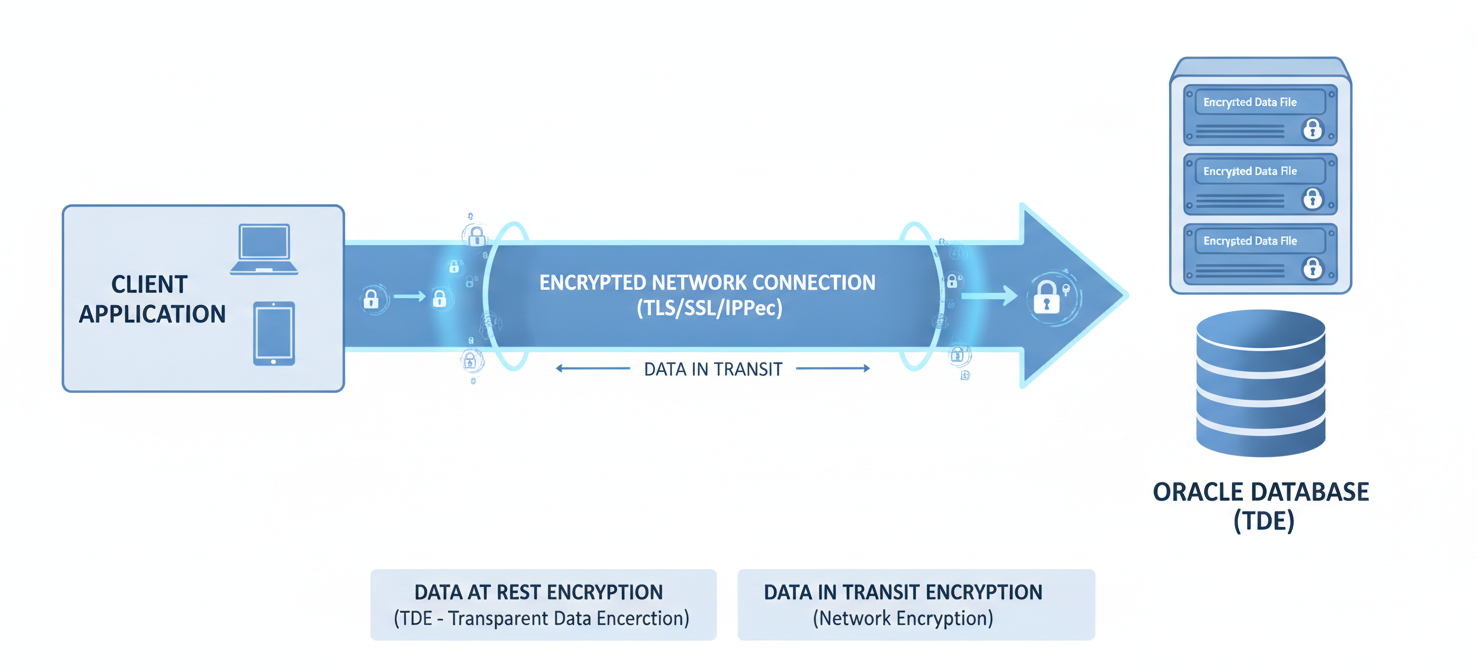
Even with strong access controls, data can be vulnerable if it is not encrypted. Oracle provides solutions for both scenarios:
- Transparent Data Encryption (TDE): This encrypts data files on the server, protecting data at rest. If the physical storage media is stolen, the data remains unreadable.
- Network Encryption: This encrypts data as it travels between the client and the server, preventing eavesdropping or “man-in-the-middle” attacks.
SQL Server: Common Exploits and Prevention
Microsoft SQL Server is another popular choice for enterprise applications, and it shares similar security challenges. One of the most common misconfigurations is leaving the default TCP port 1433 open to the internet, which invites scans and attacks. Access should be restricted via a firewall to only trusted hosts.
A powerful but dangerous feature in SQL Server is the xp_cmdshell extended stored procedure. This allows database users to execute operating system commands directly on the server. If an attacker gains access to an account with permission to use xp_cmdshell, they can potentially take full control of the underlying server. This feature is disabled by default on newer versions but should always be verified and remain disabled unless absolutely necessary.
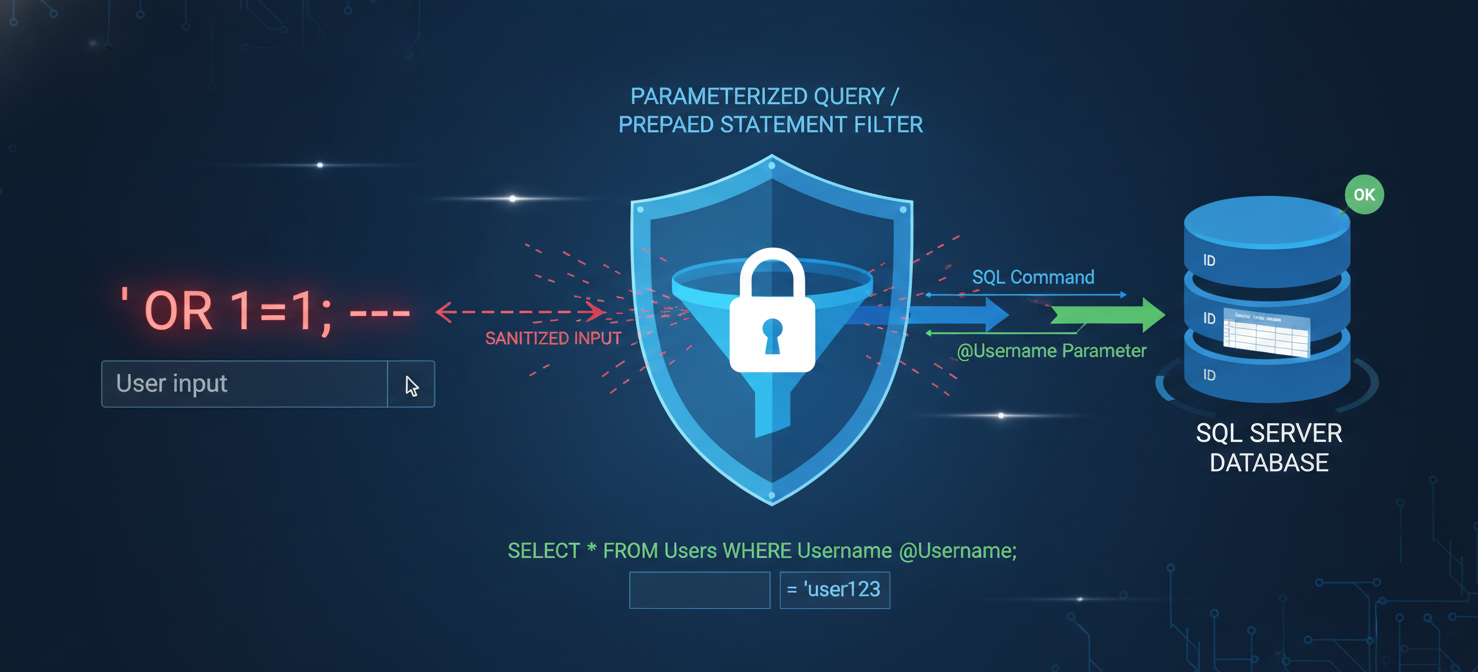
SQL injection remains a persistent threat against applications that use SQL Server. This occurs when an application fails to properly sanitize user input before including it in a database query. An attacker can inject malicious SQL code to bypass authentication, steal data, or modify records. The most effective defense against SQL injection is the consistent use of parameterized queries or prepared statements, which separate the SQL command from the user-supplied data.
Conclusion
Leaving database access unrestricted is not a calculated risk; it is an open invitation for a security breach. The core principles of securing MySQL, Oracle, and SQL Server are remarkably consistent: start with a secure configuration, aggressively apply the principle of least privilege, and diligently manage patches and updates. Default settings are a convenience for installation, not a blueprint for production security. The dangers of unrestricted MySQL access and its counterparts in Oracle and SQL Server are too significant to ignore. Ultimately, database security is not a one-time setup but a continuous process of auditing, monitoring, and hardening. Neglecting these fundamentals is like leaving your vault door unlocked—sooner or later, someone will walk through it.
Don’t leave your digital vault vulnerable; take the proactive steps needed to secure your databases by exploring our comprehensive solutions, and you can start a free trial today or book a demo to see how we can help.
 7-day free trial