



Software as a Service (SaaS) has become essential for modern business, but the convenience of subscription-based software often leads to sprawling, unmanaged costs. As companies adopt more applications, expenses can quickly accumulate, creating significant budget strain. Without a clear strategy, you may be paying for redundant tools, unused licenses, and unfavorable contract terms. Learning how to effectively manage and reduce saas costs is no longer just good practice; it’s a financial necessity. By implementing a proactive approach to software spend management, your business can reclaim control over its budget and ensure every dollar spent on technology delivers real value.
Key takeaways
- Conduct regular audits: Perform a comprehensive audit of your entire SaaS portfolio at least quarterly to identify all active subscriptions, user licenses, and associated costs.
- Eliminate redundancy: On average, companies have multiple applications with overlapping functions. Consolidating these tools can lead to immediate SaaS cost savings.
- Optimize license usage: Track user activity to identify and eliminate unused or underutilized licenses, which can account for a significant portion of wasted spend.
- Negotiate smarter: Armed with usage data, you can negotiate more favorable terms, discounts, and renewal rates with vendors, potentially securing 10-30% savings.
Conduct a Thorough SaaS Audit
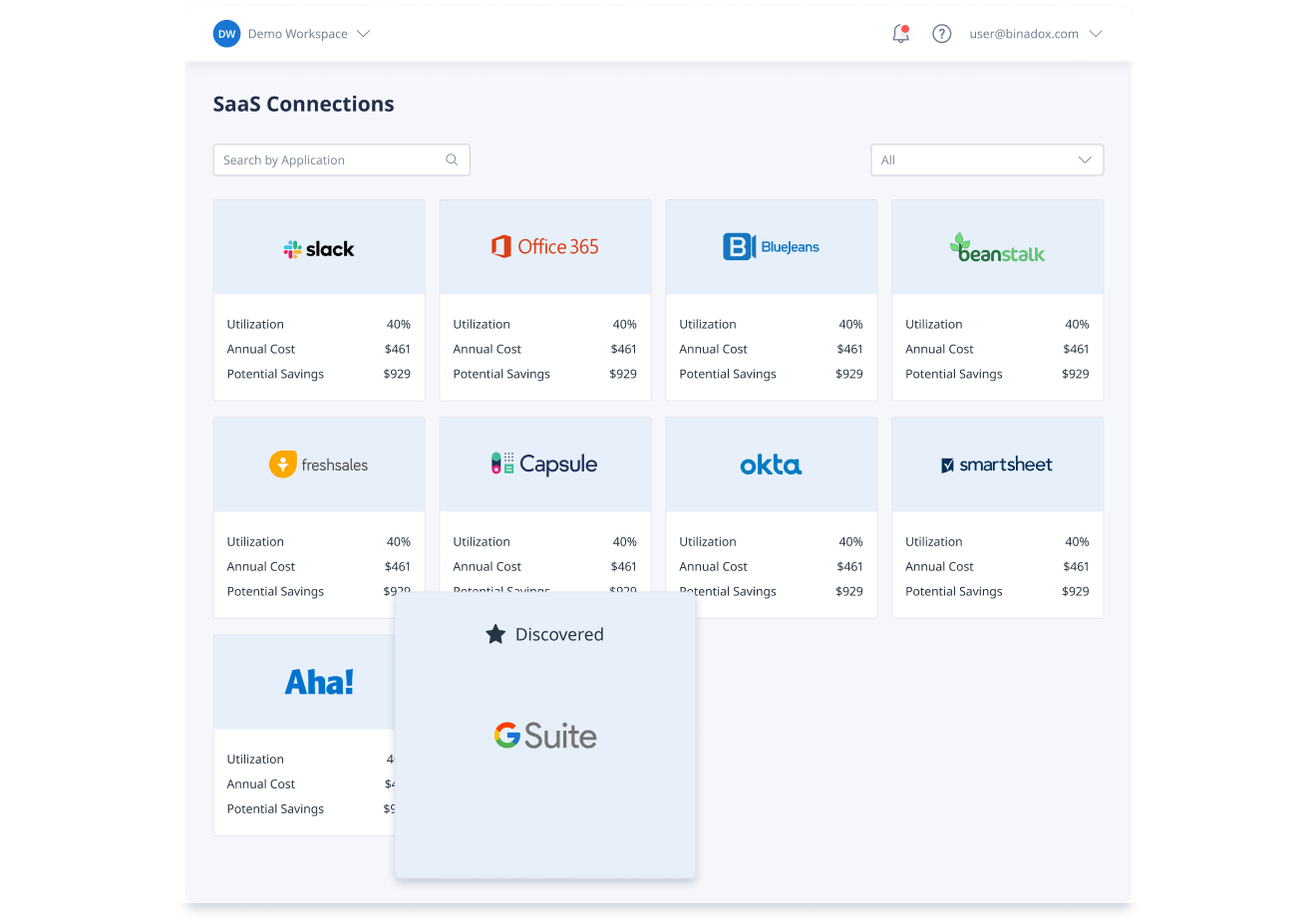
You cannot control what you cannot see. The first step to reduce saas costs is to gain complete visibility into your company’s entire software portfolio. This means conducting a detailed audit to uncover every subscription, from enterprise-level platforms approved by IT to individual licenses purchased by employees on company cards—often referred to as “shadow IT.”
Inventory Every Application
Start by creating a comprehensive inventory of all SaaS applications in use across your organization. This process involves more than just asking department heads for a list. You’ll need to:
- Review financial records: Scrutinize expense reports, credit card statements, and accounts payable records to identify all recurring software payments.
- Collaborate with IT: Work with your IT department to identify applications accessed through single sign-on (SSO) systems or company networks.
- Survey employees: Ask your teams what tools they use daily. This can help uncover applications that may have been missed by finance and IT.
For each application, document key details such as the owner, the number of licenses, the total cost, and the renewal date. This inventory serves as the foundation for all subsequent cost-saving efforts.
Analyze Usage and Engagement
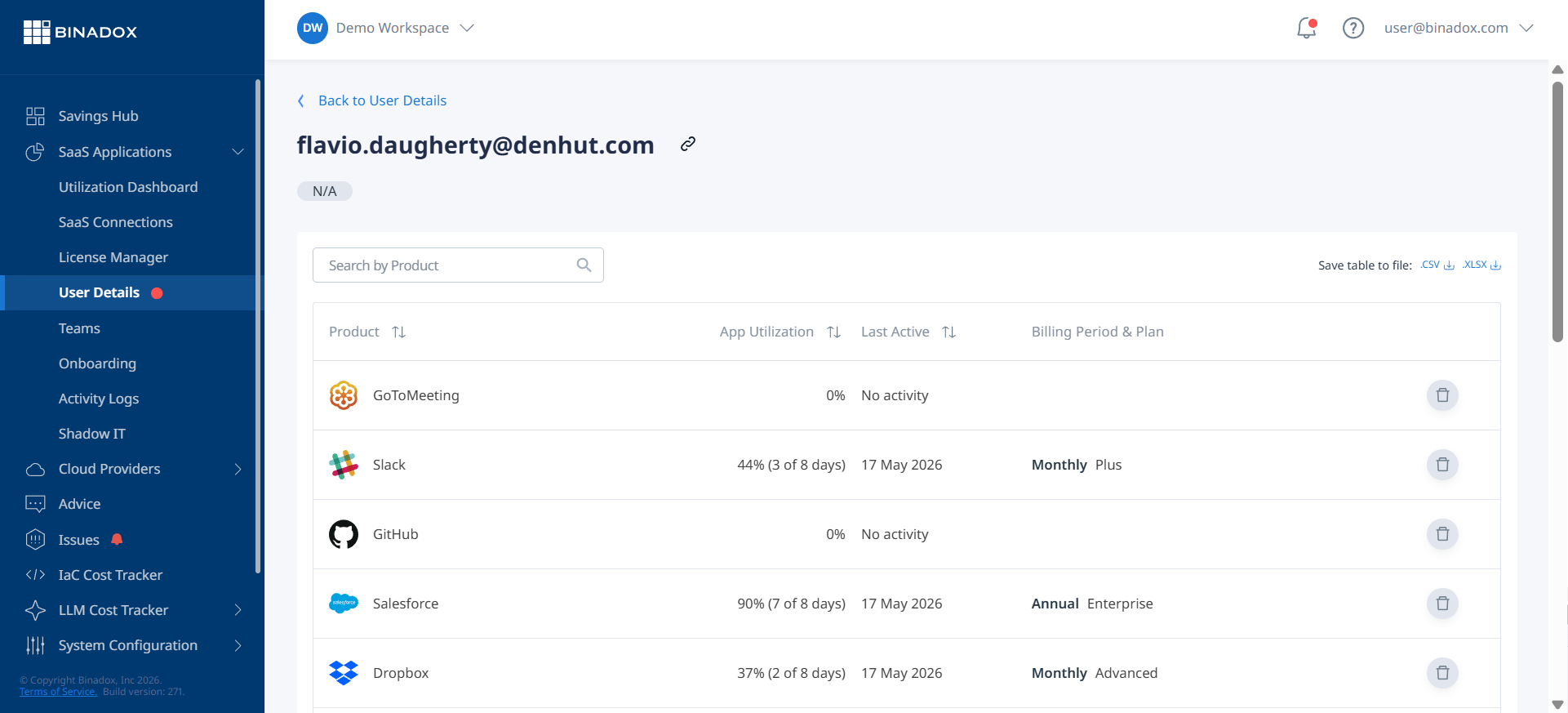
Once you have a complete list of your software, the next step is to understand how—and if—it’s being used. Many SaaS management platforms offer tools to track user login frequency, feature adoption, and overall engagement. If you don’t have a dedicated platform, you can often pull usage reports directly from the admin consoles of your major SaaS vendors. This data is crucial for identifying “shelfware”—software that is paid for but rarely or never used.
Consolidate and Eliminate Redundant Applications
With a clear picture of your SaaS portfolio, you will likely discover significant overlap in functionality. It’s common for different departments to independently purchase tools that serve the same purpose. For example, the marketing team might use one project management tool while the engineering team uses another.
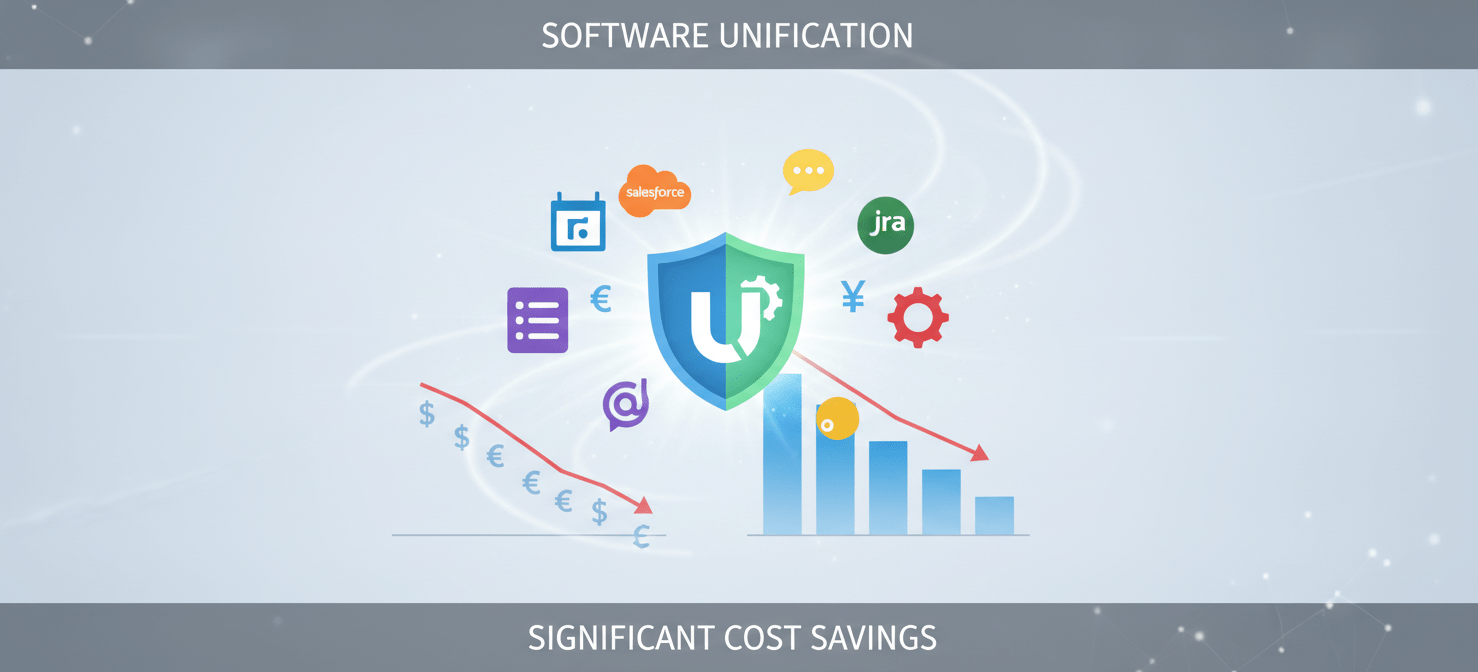
This redundancy creates unnecessary costs and operational inefficiencies. By standardizing on a single, best-fit tool for each function, you can achieve substantial saas cost savings.
To begin consolidation:
- Group applications by function: Categorize every tool in your inventory (e.g., project management, CRM, file sharing, design).
- Compare features and usage: Within each category, evaluate the applications based on features, user feedback, and cost.
- Standardize and migrate: Choose the best tool for each category, and create a plan to migrate all users to the standardized application. This allows you to eliminate the other subscriptions and often negotiate a better volume discount with the chosen vendor.
Optimize User Licenses and Tiers
One of the most direct ways to reduce SaaS costs is by addressing license management. Companies often over-purchase licenses or assign employees to subscription tiers with more features than they actually need.
Reclaim Unused Licenses
Your usage audit will reveal licenses that are completely inactive. These may belong to former employees whose accounts were never deactivated or to current employees who simply don’t use the tool. De-provisioning these unused licenses can result in immediate cost reductions.
Right-Size Subscription Tiers
Many SaaS products are offered in tiered packages (e.g., Basic, Pro, Enterprise). An employee may be on a costly “Pro” plan when their actual usage only requires the “Basic” features. Analyze user activity to determine if you can downgrade certain users to a lower-cost tier without impacting their productivity. This process, known as right-sizing, ensures you only pay for the features your team actively uses.
Master the Art of SaaS Negotiation
Many businesses make the mistake of accepting the list price for their software subscriptions without question. However, most SaaS vendors have flexibility in their pricing and are open to discussion. A well-prepared negotiation can be a powerful tool for achieving significant saas cost savings.

Leverage Data in Negotiations
The information gathered during your audit is your greatest asset in a negotiation. By demonstrating a clear understanding of your team’s usage, you can build a strong case for a discount. For example, if you have a large number of users with low engagement, you can use this data to negotiate a lower per-seat cost or a different pricing model.
Plan Renewals Strategically
Never wait until the last minute to discuss a renewal. Most SaaS contracts include an auto-renewal clause that will lock you into another term at the current price if you don’t act within a specific timeframe, often 30 to 90 days before the contract ends. Start the conversation with your vendor well in advance. This gives you time to explore alternatives and negotiate from a position of strength. When negotiating, don’t just focus on price. You can also discuss other valuable terms, such as:
- Renewal price caps: Secure a guarantee that future price increases will not exceed a certain percentage (e.g., 3-5%).
- Payment terms: Ask for a discount for paying annually instead of monthly.
- Service Level Agreements (SLAs): Negotiate for better support or uptime guarantees.
Implement Ongoing SaaS Spend Management
Reducing SaaS costs is not a one-time project; it’s an ongoing process. The SaaS landscape is constantly changing, with new tools entering the market and business needs evolving. To maintain control over your software spend, you need to establish a continuous management practice.
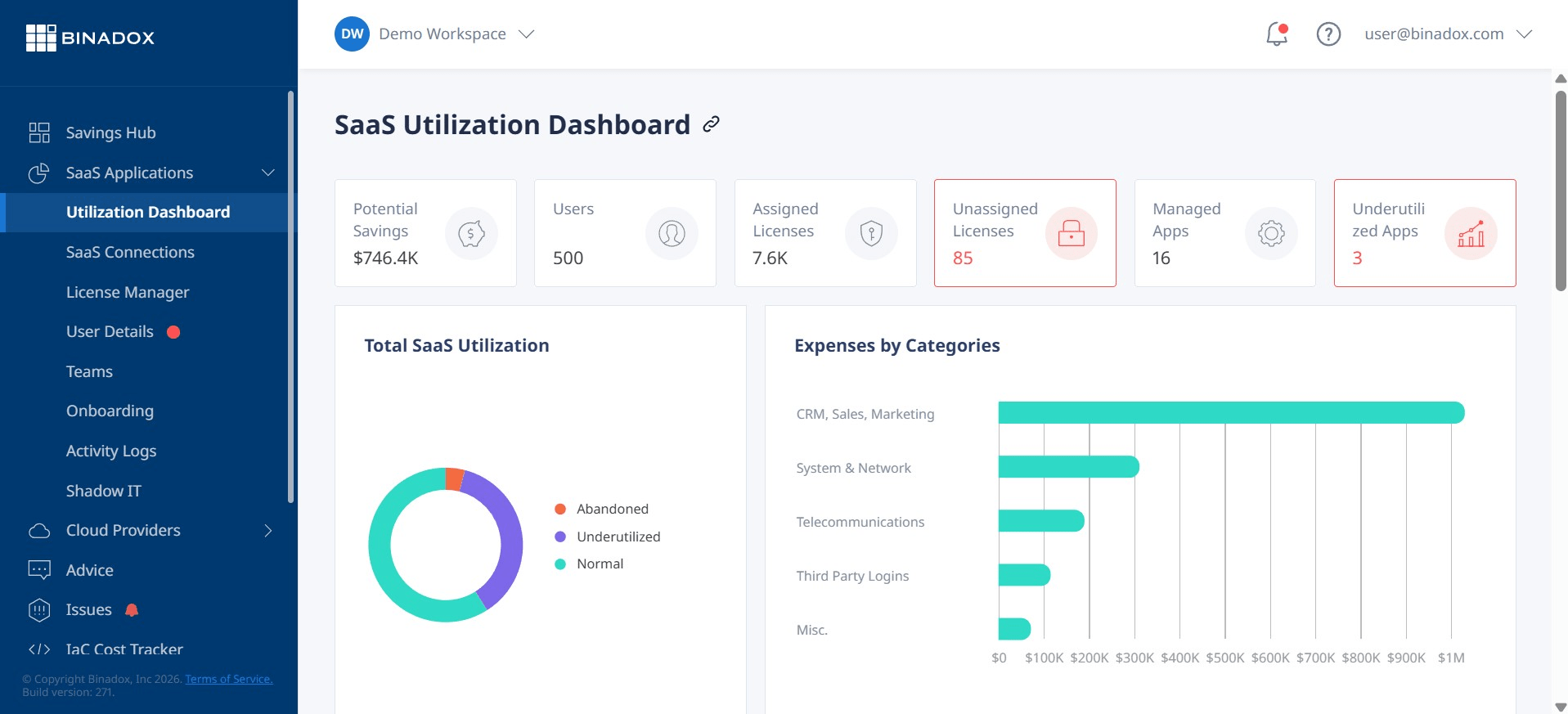
Centralize SaaS Procurement
Establish a formal process for purchasing new software. By centralizing procurement through IT or finance, you can prevent redundant purchases and ensure that any new tool is properly vetted for security and necessity. This also allows you to leverage existing vendor relationships and volume discounts.
Conduct Regular Reviews
Make SaaS portfolio reviews a regular, scheduled event. A quarterly review is a good cadence to reassess usage, identify new consolidation opportunities, and prepare for upcoming contract renewals. This proactive approach ensures that your software stack remains lean, efficient, and aligned with your business goals.
In conclusion, taking control of your software subscriptions is essential for financial health. By systematically auditing your applications, eliminating redundancies, optimizing licenses, and mastering the art of negotiation, you can successfully reduce saas costs. This isn’t about restricting access to valuable tools; it’s about smart management. An ongoing strategy ensures you only pay for what you truly need and use, turning a potential budget drain into a well-oiled, cost-effective engine for your business.
To transform your SaaS spend from a budget drain into a strategic asset, you can easily schedule a demo to see how a dedicated platform works, or begin optimizing your portfolio today by starting your free Binadox trial.
 7-day free trial