



The average organization now manages 305 different SaaS applications, a figure that has nearly tripled in just six years. While this explosion in cloud-based tools has driven productivity, it has also introduced significant financial complexity and risk. For CFOs and finance leaders, the decentralized nature of SaaS adoption creates a perfect storm of unmanaged spend, redundant tools, and contractual liabilities. Effectively governing this sprawling digital estate is no longer just an IT problem; it is a core financial imperative. Implementing dedicated saas procurement software is the strategic lever that finance teams can pull to impose order, enforce fiscal discipline, and extract maximum value from significant and growing software investments.
Key takeaways
- Widespread Waste: On average, 46% of SaaS licenses in an organization go unused, contributing to an estimated $19.8 million in annual waste for the typical company.
- Centralize for Control: Implementing a centralized procurement process and platform can lead to savings of 30% or more on SaaS and cloud spending.
- Hidden Cost Inflation: Beyond the subscription price, SaaS costs are often inflated by 30-50% annually due to factors like automatic price increases, storage overages, and integration fees.
- Strategic Alignment: A cross-functional approach is most effective, with the CFO ensuring spend visibility, the CPO overseeing vendor negotiations, and the CIO managing governance and security.
The Hidden Costs of Unmanaged SaaS
The advertised monthly subscription fee for a SaaS product is merely the tip of the iceberg. Below the surface, a collection of unmanaged costs can accumulate, significantly impacting budget accuracy and overall profitability. Without a centralized system to track and analyze these expenses, finance leaders are often flying blind, unable to forecast accurately or control a major operational expenditure.

Subscription Creep and Redundancy
“Subscription creep” describes the gradual accumulation of software tools across an organization, often without central oversight. Different departments independently purchase applications with overlapping functionalities—for instance, multiple project management or file-sharing tools. This redundancy means paying for the same capability multiple times. The average organization has 3.2 applications for any given business function. Furthermore, as teams evolve and employees change roles, licenses that were once essential become “shelfware,” paid for but completely unused. Research indicates that a staggering 51% of all paid SaaS licenses in a typical enterprise are inactive.
The Auto-Renewal Trap
A core feature of the SaaS business model is the automatic renewal clause. While convenient, it can lock organizations into unfavorable terms and price increases if not managed proactively. Many vendors raise prices by an average of 10-15% at renewal time. Without a centralized calendar of renewal dates and a clear process for evaluating each tool’s ongoing value, these dates pass unnoticed, and the increased costs are automatically approved. This reactive approach erodes negotiating leverage and leads to predictable, yet unbudgeted, cost inflation year after year.
Beyond the License Fee
True Total Cost of Ownership (TCO) for any SaaS application extends far beyond the subscription price. Finance teams must account for a range of additional expenses that are rarely featured on the pricing page:
- Integration Costs: Many applications require custom integrations to connect with existing systems, incurring development and maintenance expenses.
- Implementation and Training: Onboarding teams and training them to use a new platform often come with separate fees.
- Storage and API Call Overages: Exceeding data storage limits or the number of API calls can trigger significant and often unexpected fees.
- Support Tiers: Access to premium customer support is frequently an added cost, gating critical assistance behind a paywall.
These hidden costs can inflate the total investment in a software tool by 30-50% annually, turning a seemingly affordable solution into a significant financial drain.
Core Features of SaaS Procurement Software for Financial Oversight
To effectively counter the financial risks of SaaS sprawl, finance and procurement teams need a dedicated system of record. A robust saas procurement software platform provides the necessary visibility and control to manage the entire vendor lifecycle, from initial request to renewal and offboarding. For a CFO, the value lies in features that directly support financial rigor, compliance, and strategic decision-making.
Centralized Vendor and Contract Database
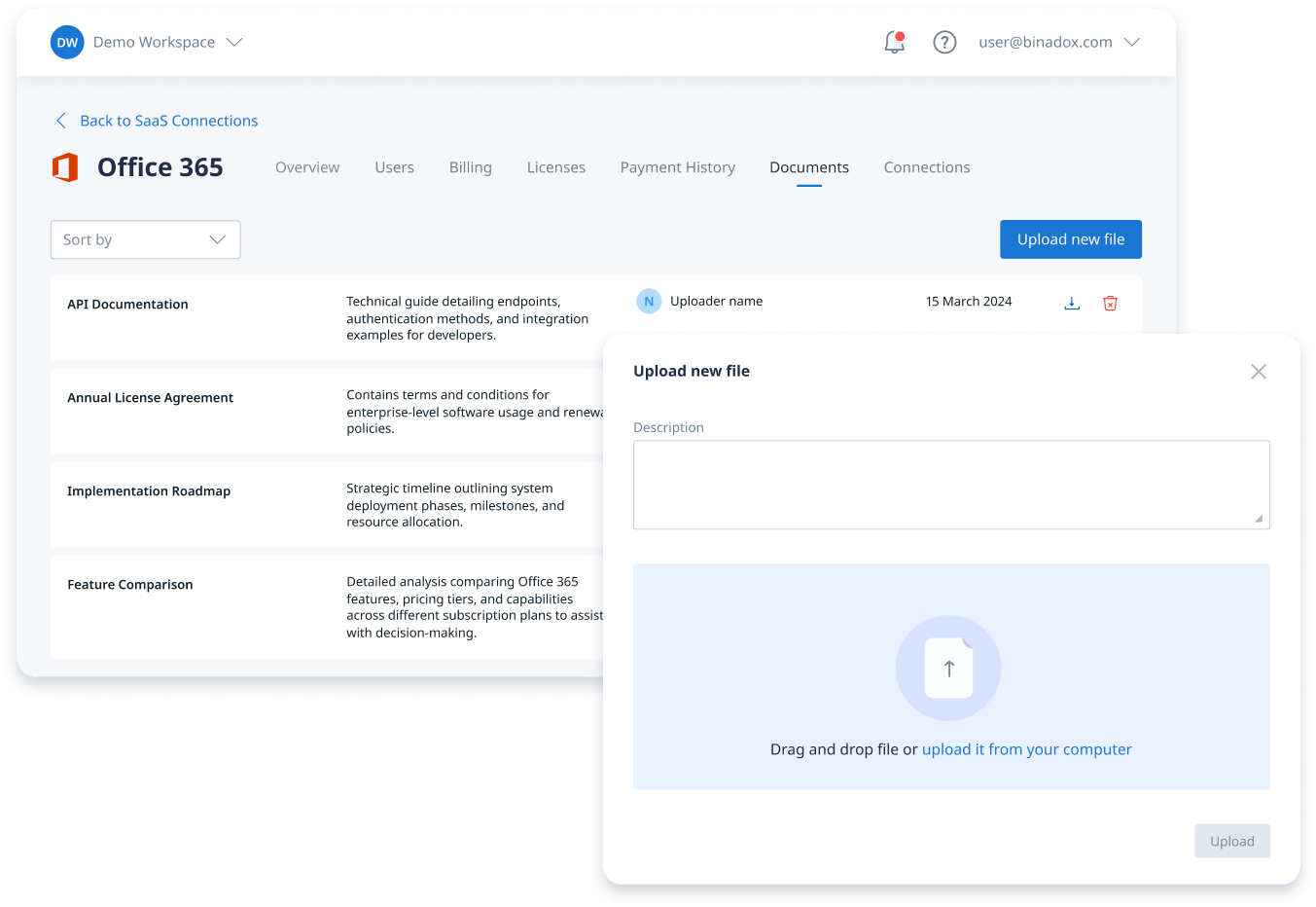
The foundation of control is a single source of truth. Effective platforms centralize all vendor information, contracts, and renewal data into one accessible dashboard. This eliminates the need to hunt through emails and spreadsheets to find critical information. Key data points to track include:
- Renewal Dates: A proactive calendar of all upcoming renewals, with automated alerts set 90-120 days in advance.
- Contract Terms: Centralized access to all master service agreements (MSAs), service level agreements (SLAs), and order forms.
- Ownership: Clearly defined internal owners for each application, establishing accountability for budget and usage.
Spend and Usage Analytics
You cannot manage what you cannot measure. SaaS vendor management software integrates with financial systems and, in some cases, directly with the applications themselves to provide detailed analytics. This allows finance teams to:
- Track Spend by Department: Allocate software costs accurately across business units to understand where the budget is going.
- Monitor License Utilization: Identify unused or underutilized licenses that can be de-provisioned to generate immediate cost savings.
- Identify Redundant Applications: Pinpoint overlapping software to consolidate subscriptions and eliminate duplicate spending.
This data-driven approach moves renewal decisions from a rubber-stamping exercise to a strategic evaluation of each tool’s ROI.
Automated Procurement Workflows
Efficiency and compliance are driven by standardized processes. These platforms allow you to create automated workflows for the entire procurement lifecycle.
- Intake and Approval: A formal intake process ensures all new software requests are vetted by finance, IT, and legal before purchase.
- Renewal Management: Automated reminders and tasks ensure that contract owners are prompted to review usage and business need well before a renewal deadline.
- Vendor Onboarding and Offboarding: Standardized checklists ensure that security reviews are completed and that access is properly terminated when a contract ends.
These workflows enforce purchasing policies, reduce manual effort, and create an audit-ready trail for every software purchase.
Integrating SaaS Vendor Management into Your Financial Strategy
Adopting a saas contract management software is not merely a procurement upgrade; it is a strategic financial initiative. By integrating the data and processes from this system into core financial operations, CFOs can enhance forecasting accuracy, strengthen internal controls, and align technology spending with broader business objectives.
Enhancing Budgeting and Forecasting
With a centralized view of all software contracts and renewal dates, your finance team can move from reactive to proactive financial planning.
- Accurate Spend Forecasting: A complete contract database allows for precise forecasting of software expenditures, eliminating surprises from auto-renewals or unexpected price hikes.
- Departmental Budget Accountability: When department heads have clear visibility into their team’s software usage and associated costs, they are empowered to make more informed budgeting decisions.
- Data-Driven Budget Allocation: By analyzing which tools deliver the highest value and adoption, you can more strategically allocate funds to technologies that directly support key business initiatives.
This integration transforms the budget from a static annual estimate into a dynamic financial plan that reflects real-time operational realities.
Strengthening Compliance and Risk Management
Decentralized SaaS purchasing creates significant security and compliance risks. A centralized procurement process, managed through software, is a critical internal control.
- Security and Legal Review: Mandating that all new software purchases go through a formal approval workflow ensures that IT and legal teams can conduct proper security and compliance reviews before a contract is signed.
- Vendor Risk Assessment: A vendor management platform provides a framework for evaluating the security posture of all third-party software providers, reducing the risk of data breaches.
- Audit Trail: Centralized records of all approvals, contracts, and vendor communications create a clear and defensible audit trail for regulatory compliance.
Aligning with Cross-Functional Leaders
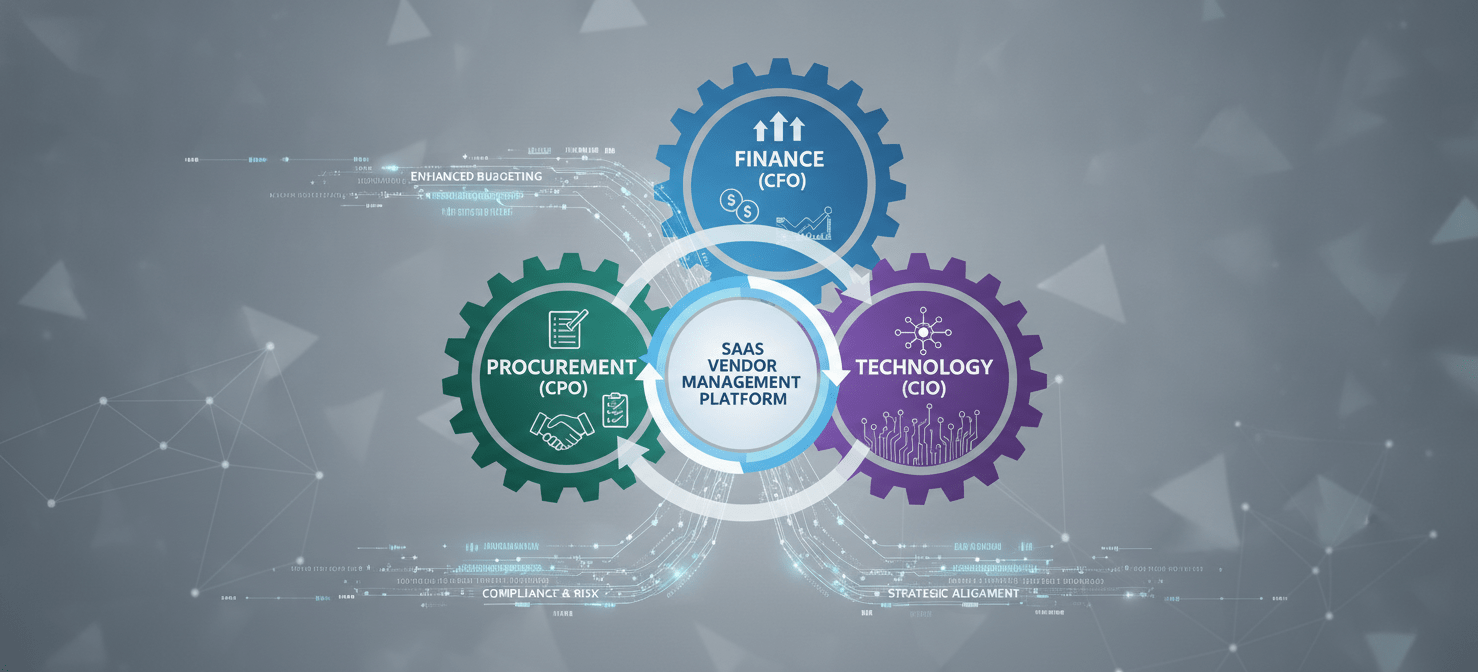
Effective SaaS management is a team sport, requiring collaboration between finance, IT, and procurement. The CFO is uniquely positioned to lead this alignment.
- Finance (CFO): Owns the budget, ensures spend visibility, and measures the financial ROI of the software stack.
- Procurement (CPO): Manages vendor relationships, leads contract negotiations, and uses benchmark data to secure favorable terms.
- Technology (CIO): Oversees governance, security, and the technical integration of applications into the company’s architecture.
A shared platform ensures all three functions are working from the same data, enabling a unified strategy for optimizing costs, mitigating risk, and maximizing the value of technology investments.
Measuring ROI on Your SaaS Contract Management Software
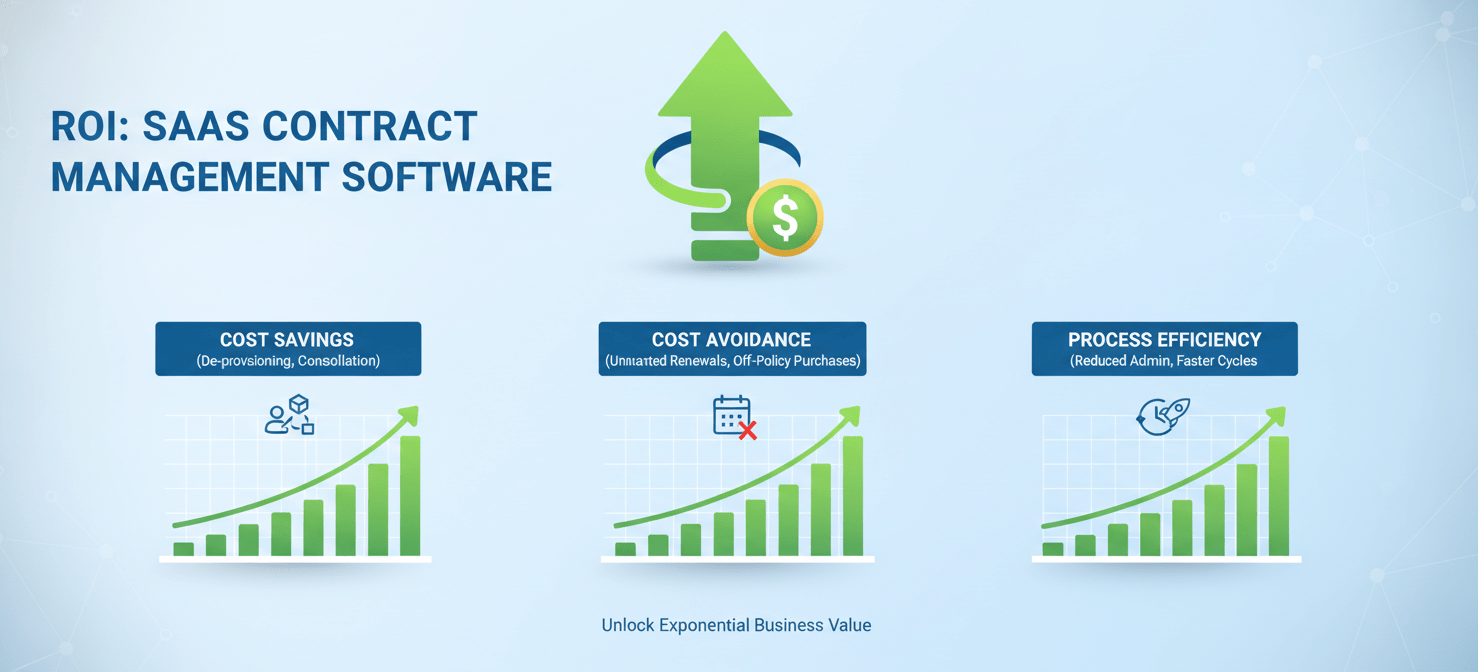
The business case for investing in procurement software rests on its ability to deliver a clear and quantifiable return. For a finance-focused audience, the ROI calculation should be grounded in hard numbers: cost savings, cost avoidance, and process efficiencies. The payback period for procurement software is often less than 12 months for mid-market organizations.
Quantifying Hard Cost Savings
The most direct financial benefit comes from reducing wasted spend. Key metrics to track include:
- Savings from De-provisioning: Calculate the annual cost of all unused licenses that are eliminated.
- Savings from Application Consolidation: Sum the contract values of redundant applications that are decommissioned in favor of a single, standardized tool.
- Negotiated Savings at Renewal: Track the cost reduction achieved through proactive negotiation compared to the vendor’s initial renewal quote. Organizations with strong SaaS governance can save 23-30% on their software spending.
Calculating Cost Avoidance
Cost avoidance represents the money you don’t spend thanks to better processes. This includes:
- Avoiding Unwanted Renewals: The full contract value of any tool that would have auto-renewed but was proactively canceled.
- Preventing Off-Policy Purchases: By enforcing a centralized procurement process, you prevent employees from expensing non-compliant or redundant software.
- Mitigating Price Increases: Quantify the difference between the typical 10-15% annual price increase and the more favorable rate secured through negotiation.
Valuing Process Efficiency
While softer, efficiency gains translate into real financial value by freeing up employee time for more strategic work.
- Reduced Administrative Overhead: Estimate the hours saved for finance, legal, and procurement teams by automating manual tasks like chasing approvals and tracking down contracts.
- Faster Procurement Cycles: Measure the reduction in the time it takes to approve and purchase new software, which accelerates time-to-value for business projects. Purchase order cycle times can drop from over 10 days to just 1-3 days.
- Lower Audit Preparation Costs: Calculate the time saved during financial audits by having a centralized, audit-ready repository of all software contracts and approvals.
A simple ROI formula can be applied: (Total Savings + Cost Avoidance + Efficiency Gains) ÷ Software Investment Cost. This provides a clear, defensible metric to justify the investment to the board and other stakeholders.
The CFO’s Role in a Successful Implementation
The CFO’s active sponsorship is critical for the successful implementation and adoption of a SaaS management platform. While procurement or IT may manage the day-to-day project, the CFO’s leadership ensures the initiative is framed as a strategic financial priority rather than just a new software tool.

Championing the Business Case
First, the CFO must build and champion the business case. This involves translating the challenges of SaaS sprawl into financial terms that resonate with the C-suite and the board.
- Quantify the Problem: Use industry benchmarks and internal data to estimate the current level of wasted spend and risk exposure.
- Define Financial Goals: Set clear, measurable objectives for the project, such as “Reduce SaaS spend by 15% within 12 months” or “Achieve 95% visibility into all software contracts by year-end.”
- Secure Executive Buy-In: Position the investment not as a cost, but as a necessary control to protect the bottom line and enable more strategic capital allocation.
Driving Cross-Functional Adoption
A procurement platform is only effective if it is used consistently across the organization. The CFO can drive adoption by:
- Mandating a Centralized Process: Establish a clear policy that all software purchases and renewals must go through the new system. This is a top-down directive that only a C-level executive can effectively enforce.
- Integrating with Financial Systems: Ensure the platform is tightly integrated with your ERP and accounting software, making it an indispensable part of the procure-to-pay process.
- Communicating the ‘Why’: Clearly articulate to department heads how the new process helps them manage their budgets more effectively and get the tools they need faster and with less friction.
Establishing Ongoing Governance
Finally, the CFO should oversee the establishment of a long-term governance model. This involves creating a cross-functional committee—typically including leaders from finance, IT, and procurement—that meets regularly to:
- Review Key Metrics: Analyze dashboards and reports from the platform to monitor spend, track savings, and identify new optimization opportunities.
- Evaluate New Vendor Requests: Make strategic decisions about which new tools to approve based on business need, budget impact, and existing capabilities.
- Refine Policies: Continuously improve the procurement process based on feedback and changing business requirements.
By taking an active role, the CFO ensures that the implementation project delivers on its promised ROI and becomes a permanent fixture of the company’s financial operating model.
Conclusion
The unchecked proliferation of SaaS applications represents a significant and growing financial liability. For years, the conversation around software was dominated by features and functionality, but the sheer scale of today’s SaaS portfolios—and the waste embedded within them—has made it a pressing balance sheet issue. The days of managing multi-million dollar software budgets on a collection of spreadsheets and calendar reminders are over. Implementing dedicated saas procurement software is the necessary step to impose fiscal discipline. It provides the visibility to understand what you own, the analytics to determine its value, and the workflows to control what you buy. Ultimately, this isn’t about restricting access to tools; it’s about ensuring that every dollar of technology spend is intentional, accountable, and directly supportive of the bottom line. For the modern CFO, mastering the SaaS estate is no longer optional—it is fundamental to sound financial stewardship.
To transition from reactive spending to proactive financial stewardship and truly master your SaaS estate, consider how a dedicated platform can empower your organization; you can schedule a demo to learn more or start your free Binadox trial to experience its benefits firsthand.
 7-day free trial