



For finance and procurement leaders at hosting providers, managing the expanding portfolio of Software-as-a-Service (SaaS) vendors is no longer a routine IT task. It has become a critical financial and strategic function. With worldwide IT spending projected to reach $5.26 trillion in 2024, a significant portion of which is SaaS, an undisciplined approach to procurement and vendor management directly impacts your bottom line. Effective saas vendor management best practices are essential for controlling costs, mitigating security risks, and ensuring that every software investment delivers a measurable return. This requires a shift from tactical purchasing to strategic lifecycle management, where financial oversight is embedded at every stage.
Key takeaways
- Centralize for Control: Establish a single, centralized system for all vendor contracts, performance data, and renewal dates to eliminate rogue spending and improve negotiating leverage.
- Focus on Total Cost of Ownership (TCO): Look beyond the initial subscription fee. A SaaS application’s true cost can be 3 to 5 times higher when you factor in implementation, integration, training, and support.
- Implement a Tiered Risk Framework: Not all vendors are created equal. Classify vendors based on their access to critical data and operational importance to apply the right level of scrutiny and due diligence.
- Master the Renewal Process: Start renewal discussions at least 90 days before the opt-out date. This simple step provides the necessary time to evaluate performance, benchmark pricing, and negotiate from a position of strength.
The Financial Impact of Unmanaged SaaS Sprawl
Unmanaged SaaS adoption, often called “SaaS sprawl,” creates significant financial and operational risks. When individual departments or teams procure software without central oversight, it leads to redundant applications, underutilized licenses, and a fragmented view of total spend. Research shows that approximately 30% of software licenses are abandoned or underutilized. For a hosting provider with hundreds or thousands of employees, this waste translates directly into eroded margins.

Furthermore, the lack of a coherent it vendor management policy exposes the organization to security vulnerabilities. Each new SaaS application is a potential entry point for data breaches. Without a formal review process, vendors may not meet your company’s security standards, such as SOC 2 or ISO 27001 compliance, putting sensitive customer data and your reputation at risk. From a financial perspective, the cost of a data breach—including regulatory fines, legal fees, and customer churn—can be catastrophic.
Establishing a Centralized SaaS Procurement Process
The first step toward controlling costs and mitigating risk is to establish a centralized saas procurement process. This doesn’t mean creating bureaucratic bottlenecks; it means creating a clear, predictable, and efficient workflow for evaluating, approving, and onboarding new software vendors. This process should be a cross-functional effort involving IT, finance, procurement, and legal teams.
Defining Roles and Responsibilities
A successful process requires clear ownership. Procurement should lead negotiations and manage vendor relationships. IT is responsible for technical evaluation and security assessments. Finance must approve budget allocation and track the return on investment (ROI) for each purchase. Legal’s role is to review contracts for unfavorable terms, ensuring liability and data ownership are clearly defined. By creating a RACI (Responsible, Accountable, Consulted, Informed) matrix, you can ensure all stakeholders understand their role in the process.
Implementing a Vendor Management System
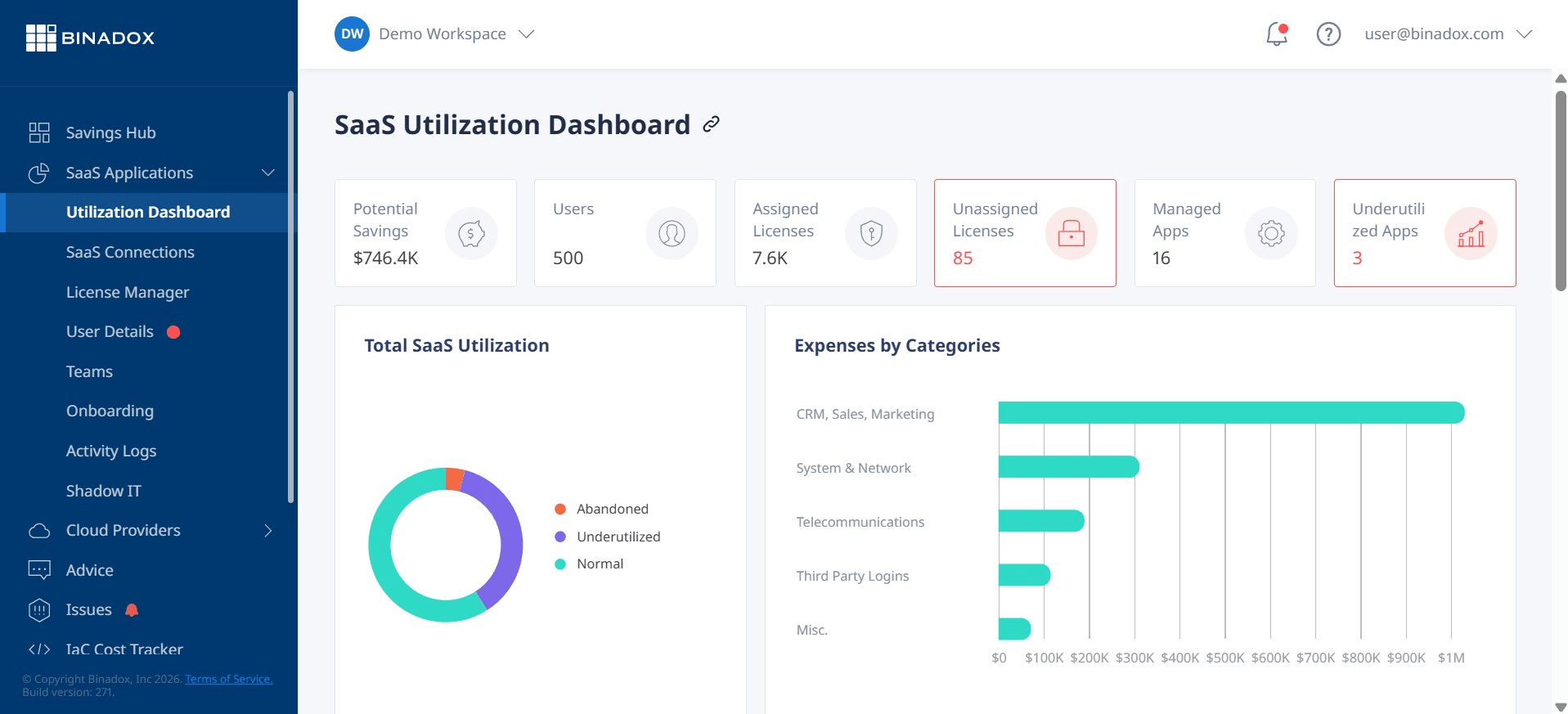
A dedicated vendor management system or SaaS management platform is crucial for centralizing all vendor-related information. These platforms provide a single source of truth for contracts, renewal dates, spending data, and performance metrics. This visibility allows your team to identify redundant applications, consolidate licenses, and proactively manage renewals. Without a centralized system, you are essentially trying to manage a multi-million dollar budget with spreadsheets and email, an approach that is neither scalable nor secure.
Vendor Selection and Due Diligence: A Risk-Based Approach
Not every vendor requires the same level of scrutiny. A marketing analytics tool does not pose the same risk as a cloud infrastructure management platform. Therefore, implementing a risk-based approach to vendor due diligence is essential. This involves categorizing vendors into tiers based on factors like access to sensitive data, operational criticality, and contract value.
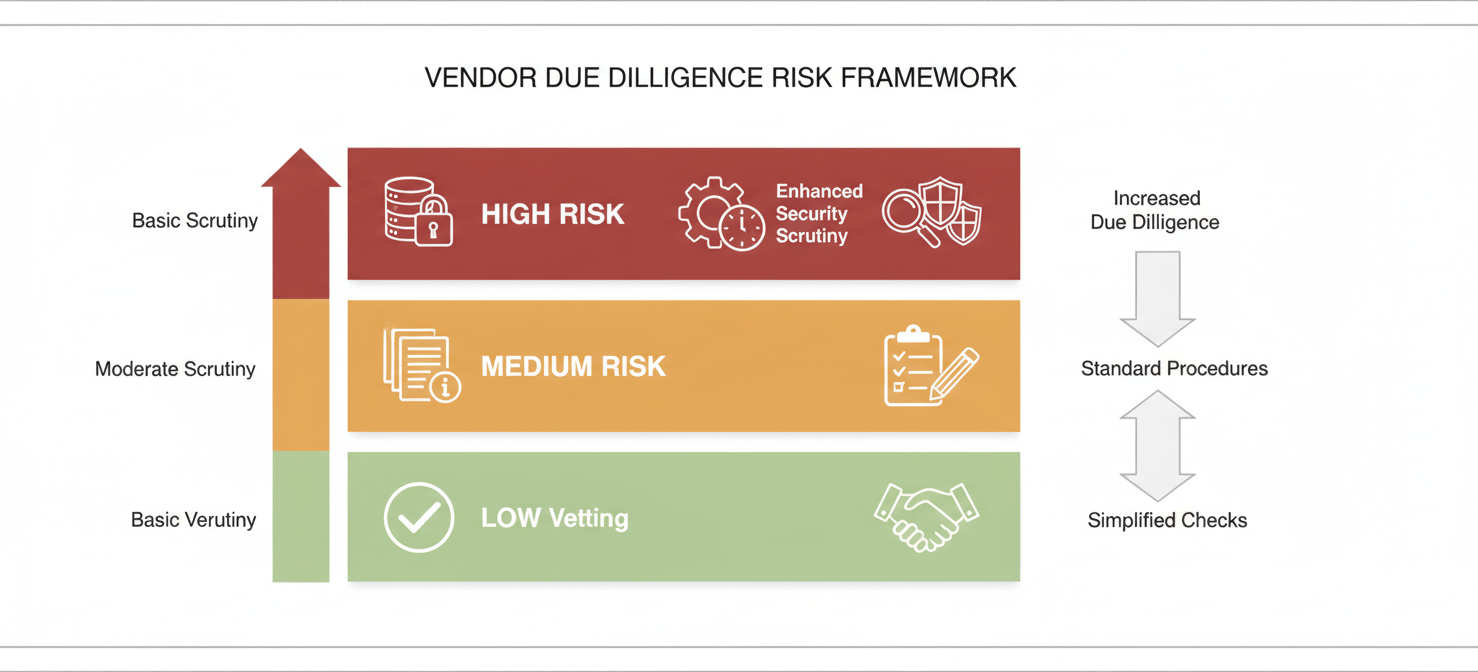
High-risk vendors, such as those handling customer data or integrated with core infrastructure, should undergo a rigorous security and compliance review. This includes verifying their security certifications, such as SOC 2, ISO 27001, or HIPAA, and conducting a thorough review of their data protection policies. For lower-risk vendors, a more streamlined review process may be sufficient. This tiered approach allows you to allocate your resources effectively, focusing your efforts where the risk is greatest.
Contract Negotiation: Beyond the Price Tag
Effective contract negotiation is a critical component of saas vendor management best practices. While securing a favorable price is important, the negotiation process should also focus on other key terms that protect your organization and provide long-term value. Many procurement teams can achieve 10-30% discounts through strategic negotiation.

Key Negotiating Levers
Beyond the subscription price, focus on negotiating the following:
- Service Level Agreements (SLAs): The contract should clearly define uptime guarantees, support response times, and penalties for non-performance. These are not just technical metrics; they have a direct financial impact on your business if a critical service goes down.
- Renewal Caps: Negotiate a cap on price increases at renewal. Many SaaS vendors will try to implement significant price hikes after the initial term. A renewal cap provides budget predictability and protects you from unexpected cost escalations.
- Data Ownership and Exit Rights: The contract must clearly state that you own your data and specify the process for exporting it should you choose to terminate the agreement. This prevents vendor lock-in and ensures a smooth transition if you decide to switch providers.
- Payment Terms: Negotiating favorable payment terms, such as net-60 or net-90, can improve your cash flow. While not always possible, it is always worth asking, especially for larger contracts.
Performance Monitoring and ROI Measurement
Once a contract is signed, the work is not over. Continuous performance monitoring is essential to ensure that vendors are meeting their contractual obligations and that the software is delivering the expected value. This requires establishing clear Key Performance Indicators (KPIs) for each vendor.
Tracking the Right Metrics
For hosting providers, relevant KPIs might include:
- License Utilization Rate: This metric tracks the percentage of purchased licenses that are actively being used. A low utilization rate indicates wasted spend and an opportunity to reduce license counts at renewal.
- Cost Avoidance: This KPI measures the savings achieved by avoiding unnecessary purchases, such as canceling renewals for redundant software.
- Vendor Uptime and Reliability: This is a critical metric for any software that impacts your service delivery. Track this against the SLA to ensure you are receiving the level of service you are paying for.
- Return on Investment (ROI): While sometimes difficult to quantify, it is important to track the ROI of your major SaaS investments. This could be measured in terms of increased productivity, reduced operational costs, or improved customer satisfaction.
Regular business reviews with key vendors provide a forum to discuss performance against these KPIs, address any issues, and align on future goals.
Managing Renewals and Offboarding
The renewal process is a critical opportunity to re-evaluate the value of a SaaS application and renegotiate terms. However, many organizations fall into the trap of auto-renewing contracts without a proper review. This is a costly mistake. As a best practice, you should begin the renewal process at least 90 days before the contract end date. This provides ample time to assess usage, benchmark pricing against the market, and explore alternatives if necessary.
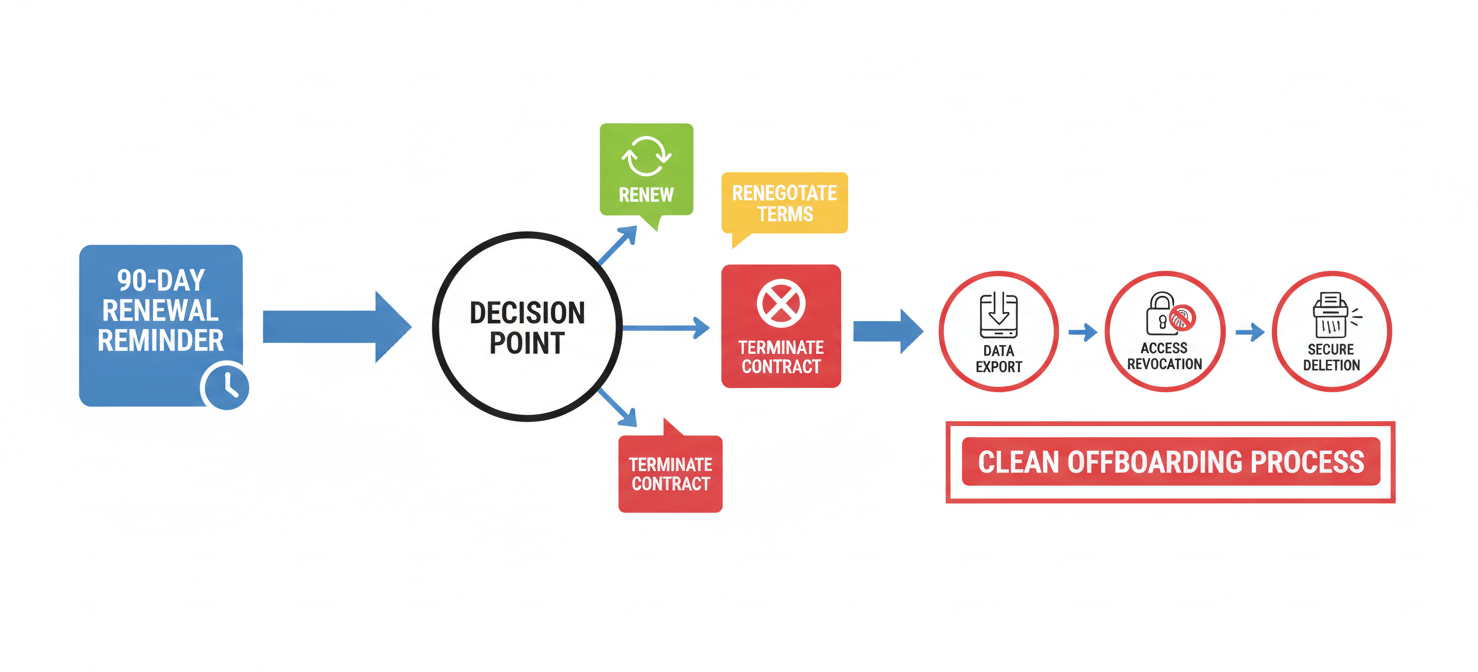
Equally important is having a formal offboarding process for vendors you are no longer using. This process should ensure that all user access is revoked, and your data is securely removed from the vendor’s systems. A clear offboarding plan mitigates security risks and prevents you from paying for software that is no longer in use.
Conclusion
For finance and procurement leaders in the hosting industry, mastering SaaS vendor management is no longer optional. The financial and security risks associated with unmanaged SaaS sprawl are simply too high to ignore. By implementing a centralized procurement process, adopting a risk-based approach to due diligence, negotiating smarter contracts, and continuously monitoring performance, you can transform your vendor management function from a tactical cost center into a strategic driver of value. Adopting these saas vendor management best practices is not about adding bureaucracy; it’s about exercising financial discipline. In an environment of rising software costs and increasing security threats, a well-executed vendor management strategy is one of the most effective levers you have to protect your margins, reduce risk, and ensure that every dollar of your technology spend is working for you. The alternative is to let your SaaS portfolio manage you, a scenario that rarely ends well for the balance sheet.
To transform your SaaS vendor management into a strategic asset and ensure every dollar works for you, consider trying our platform with a free trial, or if you’d like a personalized walkthrough of its features, you can easily book a demo with our team.
 7-day free trial