



Software-as-a-Service (SaaS) has become an indispensable part of modern business operations, but its decentralized nature often leads to uncontrolled spending, redundant applications, and a significant drain on the budget. For finance and procurement leaders, mastering the complexities of software spending is no longer optional—it’s a critical component of fiscal responsibility and operational efficiency. Implementing a robust set of SaaS spend management best practices is essential to ensure that every dollar invested in software delivers a measurable return, aligns with strategic objectives, and doesn’t contribute to the growing problem of budget waste.
Key takeaways:
- Eliminate significant waste: On average, companies waste a staggering 51% of their SaaS licenses, representing a massive opportunity for immediate cost savings.
- Centralize for control: Establishing a single, cross-functional team to oversee SaaS procurement and management provides the visibility needed to eliminate redundancies and negotiate from a position of strength.
- Automate to optimize: Leveraging SaaS management platforms automates manual tasks like tracking renewals and identifying unused licenses, freeing up finance and procurement teams to focus on strategic cost-saving initiatives.
- Focus on data-driven decisions: Implementing clear Key Performance Indicators (KPIs) and tracking usage data are fundamental to rationalizing your software portfolio and maximizing ROI.
Centralize SaaS Procurement and Vendor Management
One of the most effective SaaS cost optimization strategies is to centralize the procurement process. When individual departments or employees are free to purchase software independently—a phenomenon known as Shadow IT—it becomes nearly impossible to track spending, identify redundant applications, or leverage volume discounts. By creating a single point of contact for all SaaS purchases, you can regain control over your software budget and ensure that all new acquisitions align with company-wide policies and objectives.
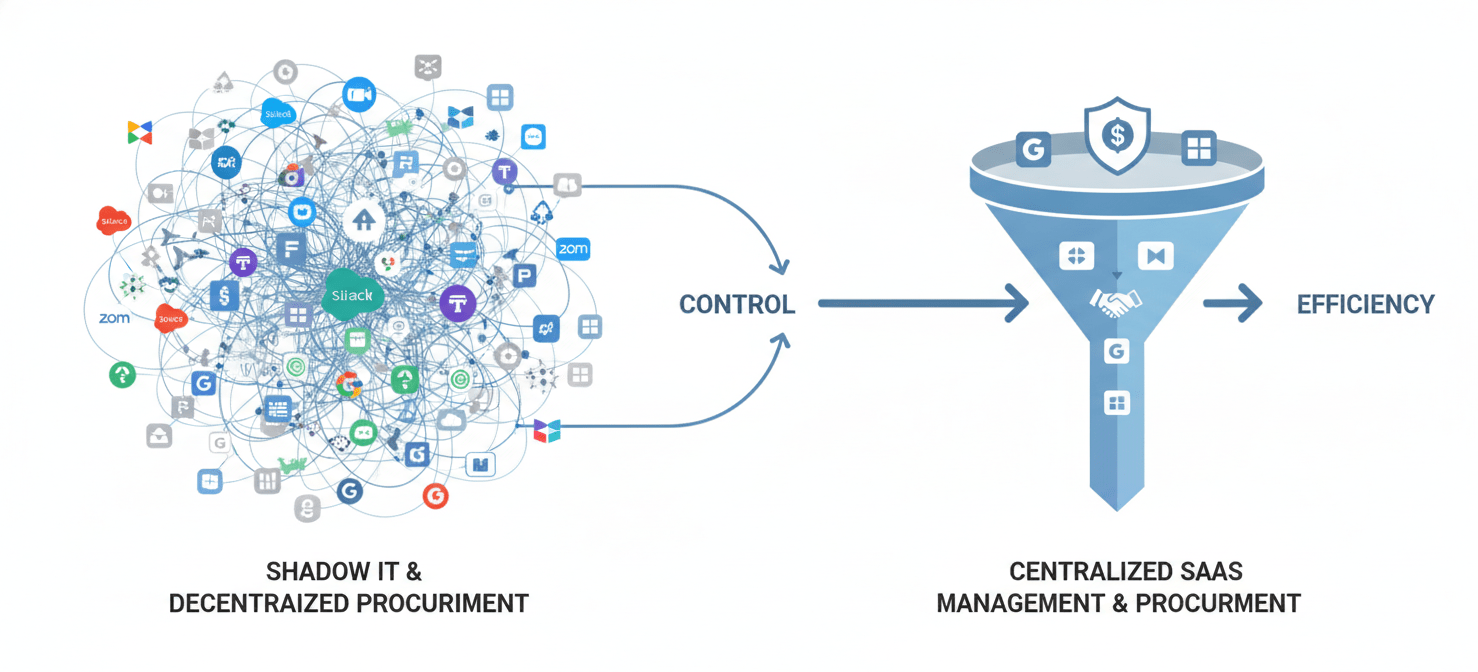
This centralized approach should be managed by a cross-functional team that includes representatives from finance, procurement, and IT. This ensures that all stakeholders have a voice in the decision-making process and that all software is evaluated from a financial, technical, and security perspective. This team is responsible for vetting new vendor requests, negotiating contracts, and managing relationships with existing suppliers. Centralizing vendor management also allows you to consolidate purchasing power, which can lead to significant discounts and more favorable contract terms.
Implement a Rigorous SaaS Discovery and Tracking Process
You cannot manage what you cannot see. A foundational step in any effective SaaS spend management program is to create a comprehensive inventory of all software subscriptions across the organization. This process, often referred to as SaaS discovery, involves identifying every application in use, regardless of whether it was procured through official channels or expensed by an employee. This can be a complex undertaking, especially in large organizations, but it is essential for gaining a clear picture of your total software spend.
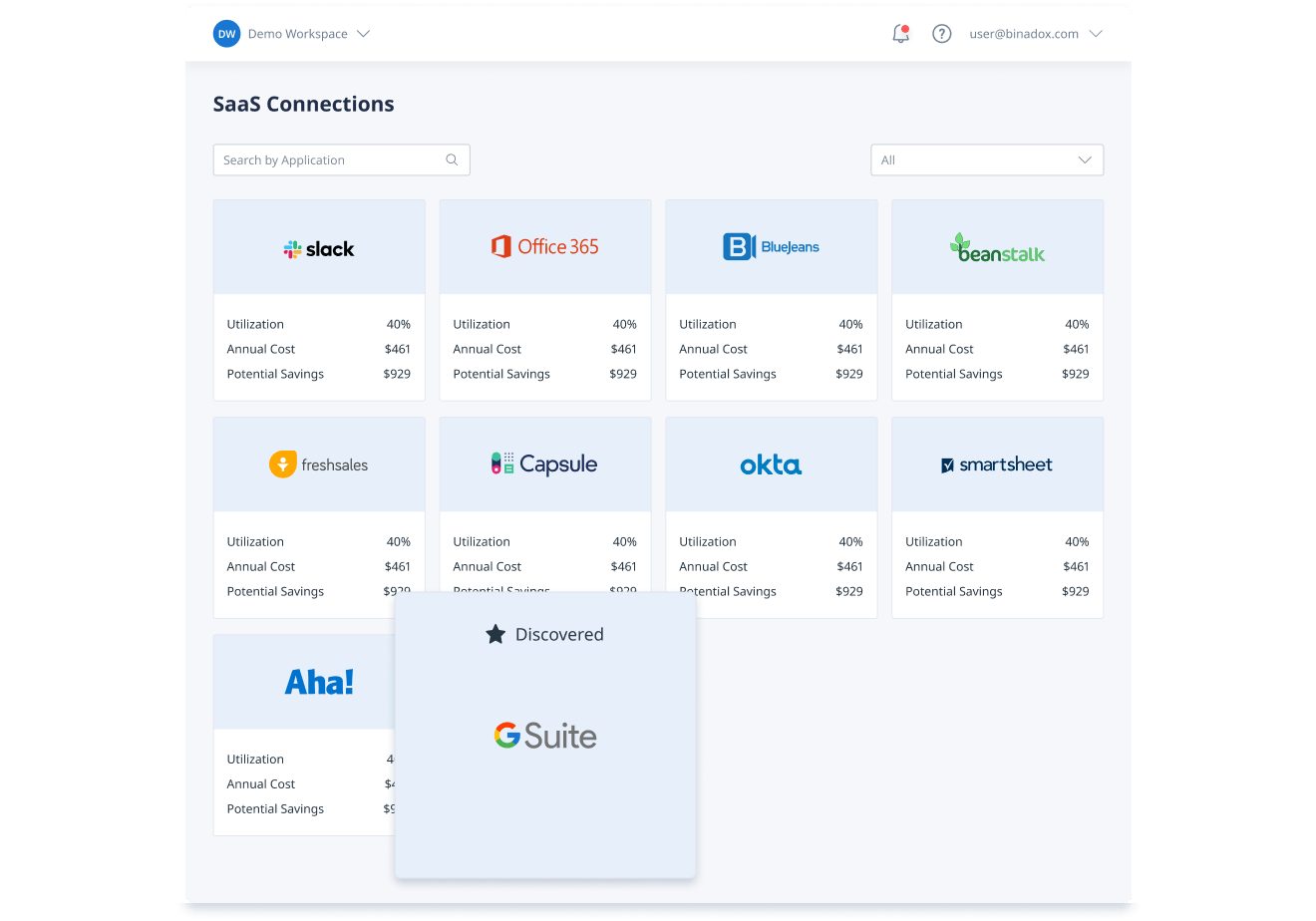
Once you have a complete inventory, the next step is to track key data points for each application, including:
- Contract renewal dates
- Annual and monthly costs
- The number of licenses or seats purchased
- The business owner or department responsible for the subscription
Manually tracking this information in spreadsheets is prone to error and quickly becomes outdated. Instead, consider using a dedicated SaaS management platform that can automate the discovery and tracking process, providing a real-time, single source of truth for your entire software portfolio.
Rationalize Your SaaS Portfolio and Eliminate Redundancy
With a clear view of your entire SaaS portfolio, you can begin the process of rationalization. This involves analyzing your software inventory to identify redundant applications and opportunities for consolidation. It’s not uncommon for organizations to have multiple subscriptions to tools with overlapping functionality. For example, the average company may have 15 different online training apps and 11 project management tools.
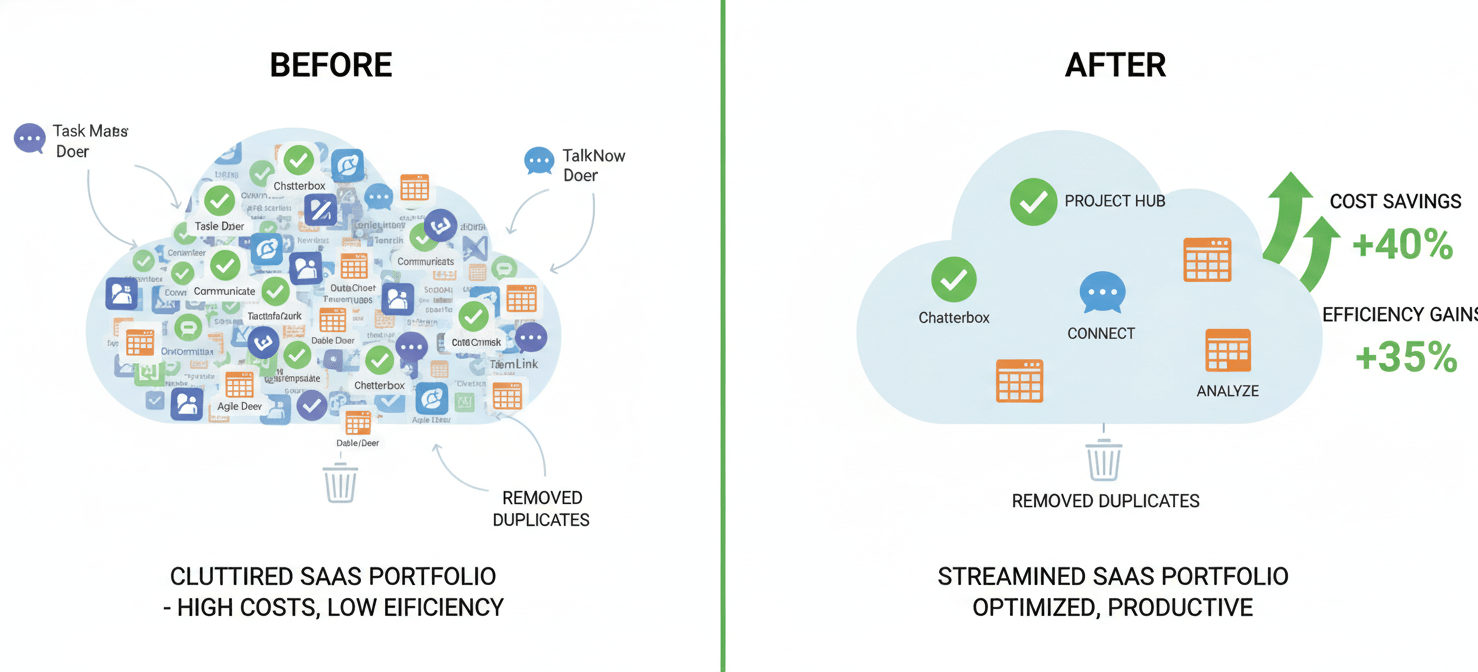
By identifying these redundancies, you can consolidate your subscriptions and eliminate unnecessary spending. This process should be guided by data on application usage. If a particular tool is only being used by a small fraction of the employees who have a license, it may be a candidate for elimination or for a reduction in the number of seats. Regularly auditing your SaaS stack for underutilized and redundant tools is a critical practice for keeping costs in check.
Proactively Manage Renewals and Contract Negotiations
A reactive approach to SaaS renewals is a recipe for overspending. Many SaaS contracts are set to auto-renew, often with built-in price increases. Without a proactive renewal management process, you risk missing the opportunity to renegotiate terms, right-size your license count, or explore more cost-effective alternatives. A best practice is to create a renewal calendar and begin the review process at least 90 days before a contract is set to expire.
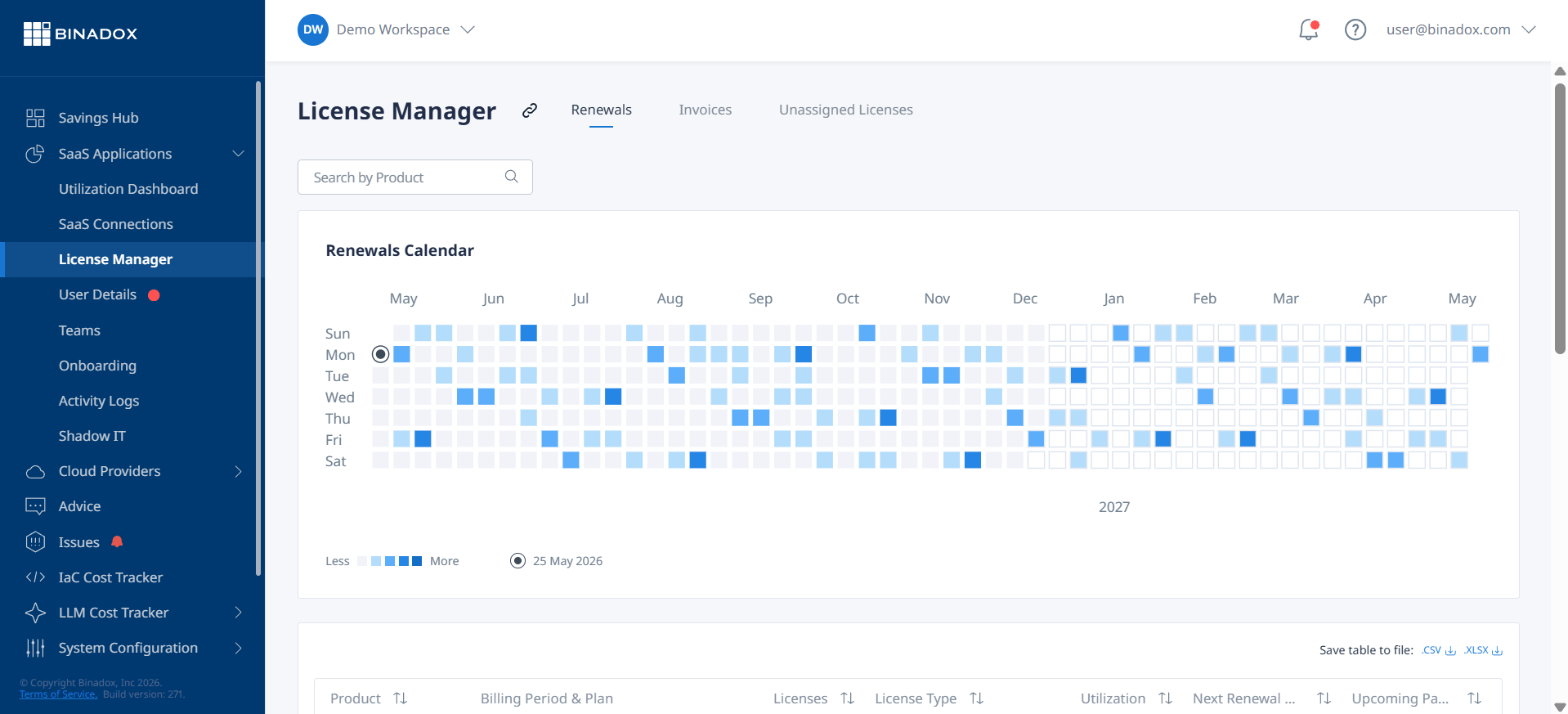
This lead time gives your team the opportunity to:
- Analyze usage data: Determine if you are over-provisioned on licenses and can reduce your seat count.
- Benchmark pricing: Research what other companies are paying for similar services to ensure you are getting a competitive rate.
- Negotiate from a position of strength: Armed with data, you can have more productive conversations with vendors about pricing and terms.
Effective negotiation is a key lever for optimizing SaaS spend. Don’t be afraid to ask for discounts, especially for multi-year contracts or when consolidating multiple subscriptions with a single vendor.
Automate SaaS Spend Management Workflows
As your organization grows, manually managing your SaaS portfolio becomes increasingly untenable. Automation is key to scaling your SaaS spend management efforts and ensuring that nothing falls through the cracks. SaaS management platforms can automate a wide range of tasks, from discovering new applications to tracking renewal dates and identifying unused licenses.

Key Automation Capabilities
- Automated Discovery: Continuously scan your environment to identify new SaaS applications as they are purchased.
- Renewal Alerts: Set up automated reminders for upcoming contract renewals, giving you ample time to prepare for negotiations.
- License Reclamation: Automatically identify and reclaim unused licenses from former employees or inactive users, a process often referred to as de-provisioning.
By automating these routine tasks, you can free up your finance and procurement teams to focus on more strategic initiatives, such as vendor negotiations and portfolio rationalization.
Foster a Culture of Cost-Conscious SaaS Usage
While centralized procurement and automation are critical, a truly effective SaaS spend management strategy also requires a cultural shift. Employees need to understand the financial impact of their software usage and be encouraged to make cost-conscious decisions. This starts with clear communication and the establishment of clear policies around software procurement and usage.

Consider implementing a formal request and approval process for all new software purchases. This ensures that every new subscription is vetted and approved by the central procurement team before any money is spent. Furthermore, provide visibility to department heads into their team’s software spending. When budget owners can see how much they are spending on SaaS, they are more likely to take ownership of those costs and look for opportunities to optimize.
Establish Clear KPIs for SaaS Spend and ROI
To measure the success of your SaaS spend management efforts and ensure that your software investments are delivering value, it is essential to establish and track a set of clear Key Performance Indicators (KPIs). These metrics will help you quantify your progress, identify areas for improvement, and demonstrate the ROI of your optimization efforts to senior leadership.
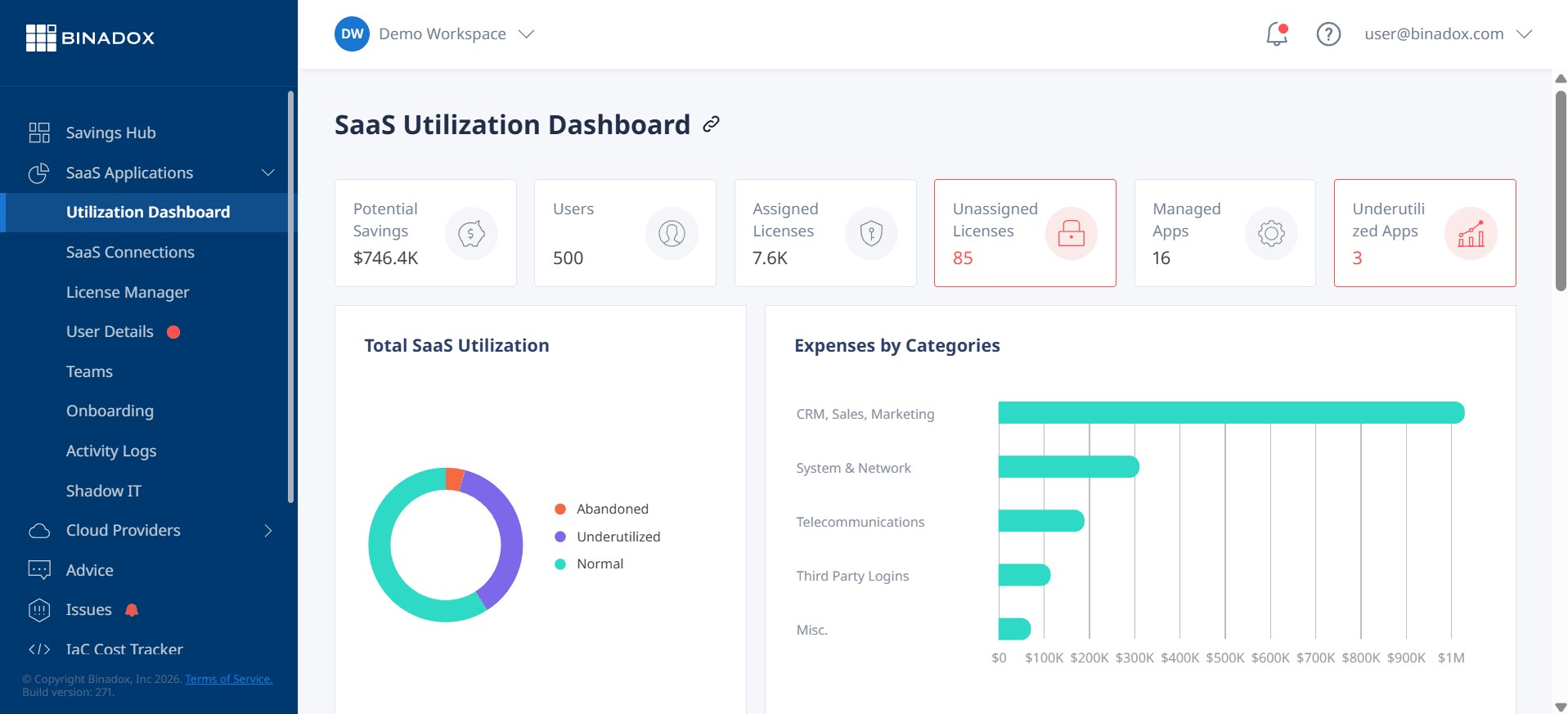
Essential SaaS Spend KPIs
- Total SaaS Spend: The total amount your organization spends on SaaS subscriptions, tracked on a monthly, quarterly, and annual basis.
- Spend by Department: Breaking down SaaS spend by department can help identify which areas of the business are the biggest consumers of software and where to focus optimization efforts.
- Cost Per Employee: This metric provides a useful benchmark for tracking the efficiency of your software spending over time.
- License Utilization Rate: The percentage of purchased licenses that are actively being used. A low utilization rate is a clear indicator of wasted spend.
- Redundant Application Spend: The total cost of subscriptions for applications with overlapping functionality.
By regularly tracking these KPIs, you can make data-driven decisions about your SaaS portfolio and continuously improve your SaaS spend management practices.
In conclusion, implementing these SaaS spend management best practices is not a one-time project but an ongoing discipline. The decentralized and dynamic nature of SaaS requires constant vigilance and a proactive approach. By centralizing procurement, implementing robust discovery and tracking processes, rationalizing your portfolio, and fostering a culture of cost-consciousness, you can transform your SaaS spending from a significant budget drain into a strategic investment that drives business value. The alternative is to continue letting a significant portion of your budget evaporate into the cloud, a prospect no finance leader can afford to ignore.
To transform your SaaS spending from a budget drain into a strategic asset, you can easily experience the benefits firsthand by starting a free trial, or for a more personalized walkthrough, book a demo with our experts today.
 7-day free trial