



Software as a Service (SaaS) has become central to business operations, with companies relying on a growing number of applications for everything from sales and marketing to finance and engineering. While these tools offer flexibility and power, managing them can be complex. Effective saas subscription management is the process of overseeing all the SaaS applications in your organization. This involves tracking usage, managing costs, ensuring security, and handling renewals to get the most value from your software investments. Without a clear strategy, you risk overspending, security vulnerabilities, and operational inefficiencies.
Key takeaways
- Organizations often waste a significant portion of their software budget, with some reports indicating that 30-40% of SaaS licenses go unused.
- A centralized SaaS management strategy can lead to significant cost savings by identifying redundant applications and underutilized licenses.
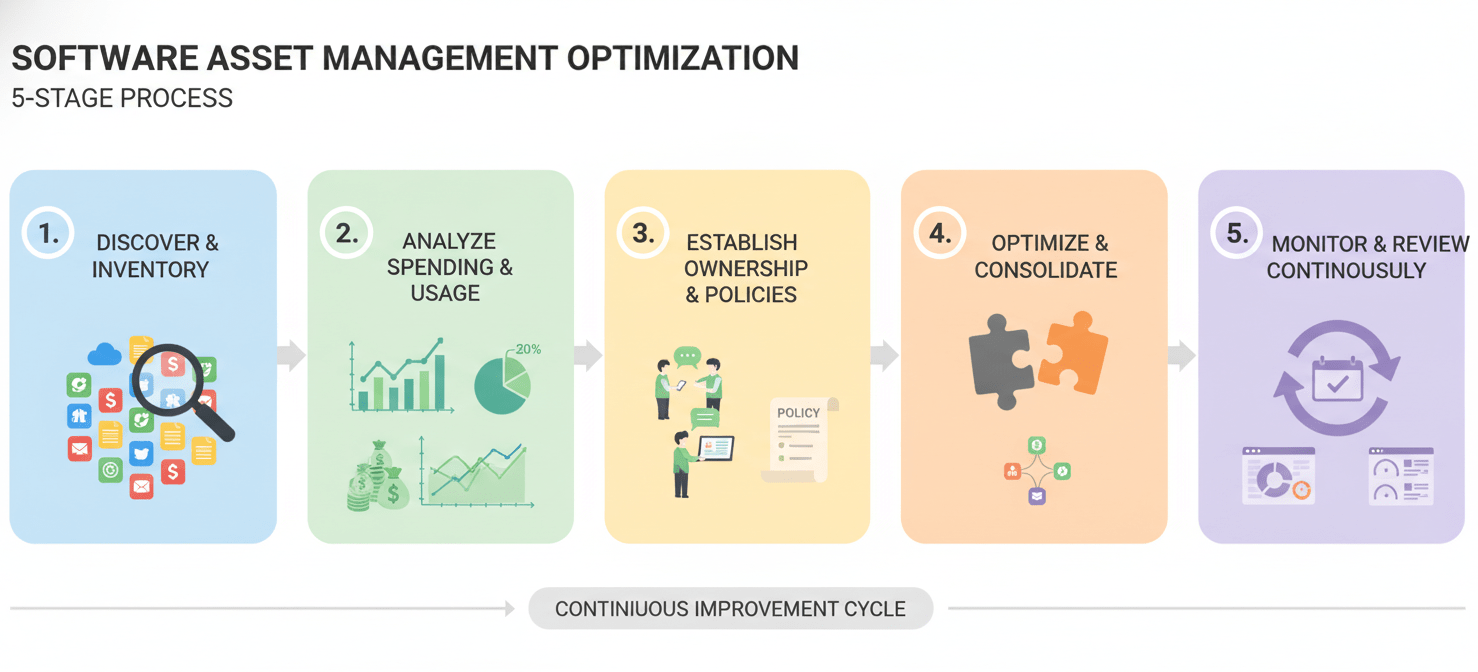
- Implementing a 5-step management process—from discovery to ongoing optimization—provides a clear roadmap for controlling your SaaS environment.
- Automated tools are essential for scaling management efforts, handling everything from renewal alerts to employee onboarding and offboarding.
What is SaaS Subscription Management?
SaaS subscription management is the systematic approach to handling the entire lifecycle of software subscriptions within your company. This includes discovering all active applications, tracking spending, monitoring usage, managing renewals, and ensuring compliance with security policies. The goal is to gain complete visibility and control over your SaaS portfolio.
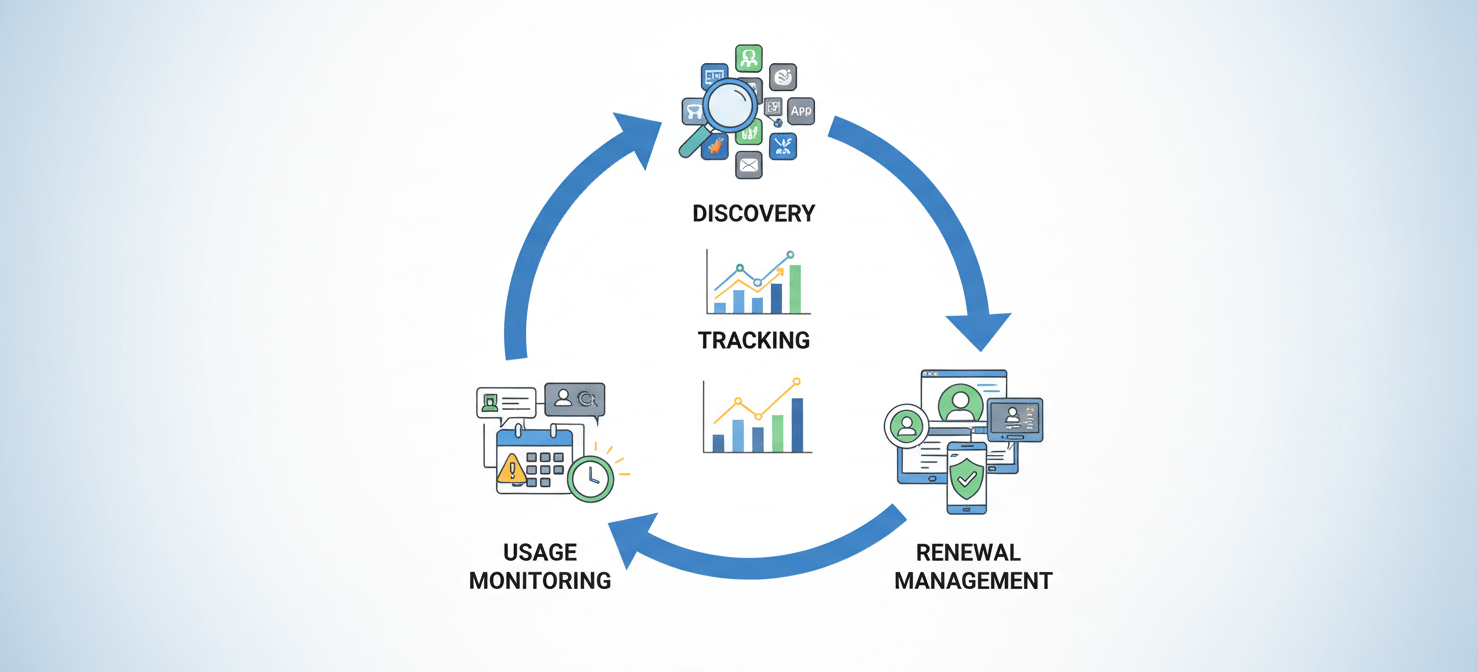
As businesses embrace digital transformation, the number of SaaS applications they use has skyrocketed. Organizations now use an average of 112 SaaS applications. This rapid growth often leads to a fragmented and poorly managed software environment. Without a dedicated management practice, companies face several challenges, including uncontrolled spending, security risks from unvetted applications (shadow IT), and wasted resources on unused or redundant software.
A robust saas management platform provides a centralized view of all your subscriptions. This allows IT, finance, and procurement teams to collaborate effectively. They can make informed decisions about which tools to keep, which to consolidate, and where to negotiate better terms with vendors. Ultimately, it’s about maximizing the value of your software investments while minimizing risk.
Why is SaaS Subscription Management Important?
Effective SaaS subscription management offers significant benefits, moving your organization from a reactive to a proactive approach to your software stack. It addresses critical challenges related to cost, security, and operational efficiency. By implementing a structured management process, you can gain control over your SaaS environment and align it with your business goals.

Cost Optimization
One of the most immediate benefits of managing your SaaS subscriptions is cost savings. Many companies are unaware of how much they truly spend on SaaS. Business units now control 81% of SaaS spending, often outside the view of IT. This decentralized purchasing can lead to redundant applications and unused licenses. A dedicated management strategy helps you identify and eliminate this waste.
For example, you might discover that multiple departments are paying for separate subscriptions to the same project management tool. By consolidating these into a single enterprise plan, you can often negotiate a better price. Similarly, by tracking usage data, you can de-provision licenses from employees who no longer need them, directly reducing subscription costs. Reports suggest that organizations leave an average of 36% of their SaaS licenses unused, representing a significant opportunity for savings.
Enhanced Security and Compliance
The proliferation of SaaS applications introduces new security risks. When employees sign up for new tools without IT approval (a practice known as shadow IT), they may be using applications that don’t meet your company’s security standards. This can expose sensitive data and create compliance issues with regulations like GDPR and SOC 2.
A saas subscription management software helps you discover all applications in use, including those purchased outside of official channels. Once you have a complete inventory, you can assess the security posture of each application and enforce compliance policies. This includes implementing measures like multi-factor authentication and role-based access control to ensure that only authorized users can access sensitive information.
Improved Operational Efficiency
A well-managed SaaS portfolio improves operational efficiency in several ways. First, it streamlines the employee onboarding and offboarding process. With a centralized system, you can quickly provision new hires with the tools they need to be productive from day one. Conversely, when an employee leaves, you can ensure their access to all company applications is promptly revoked, which is a critical security step.
Furthermore, by providing employees with a curated list of approved and vetted applications, you can help them choose the best tools for their jobs. This reduces the time they might otherwise spend searching for and evaluating new software. It also fosters better collaboration by standardizing the tools used across different teams.
Key Features of SaaS Management Platforms
Choosing the right saas management platform is crucial for effectively overseeing your software subscriptions. These platforms offer a range of features designed to automate and simplify the management process. When evaluating different solutions, there are several key capabilities to look for that will provide the visibility and control you need.
Application Discovery and Inventory
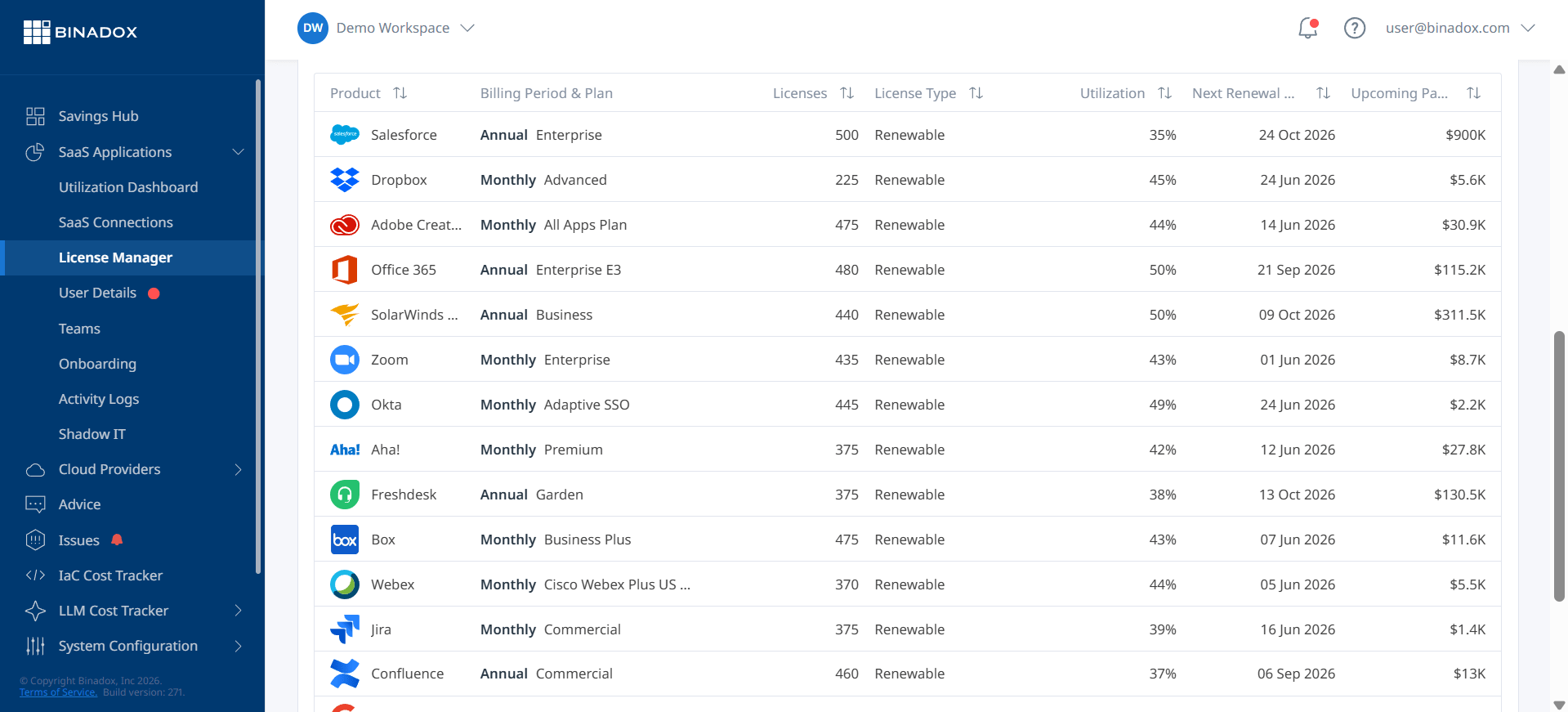
The foundation of any good SaaS management strategy is a complete and accurate inventory of all the applications in use. A powerful discovery feature will automatically identify all SaaS subscriptions across your organization, including those purchased by individual employees or departments without IT’s knowledge. This creates a centralized dashboard that serves as your single source of truth.
Spend and Usage Tracking
To optimize costs, you need to understand not only what you’re spending but also how applications are being used. Look for a platform that provides detailed analytics on both spending trends and user engagement. This will help you identify underutilized licenses that can be reallocated or eliminated. Usage data is also valuable for negotiating renewals, as it provides concrete evidence to support your requests for better pricing or terms.
Renewal and Contract Management
Managing renewals for dozens or even hundreds of different applications can be a logistical nightmare. A good saas subscription management software will include a renewal calendar that sends automated alerts for upcoming deadlines. This gives you ample time to review usage, assess the tool’s value, and decide whether to renew, renegotiate, or cancel the subscription. It also helps you avoid the automatic renewal of unwanted services.
Security and Compliance Monitoring
A strong SaaS management platform will also help you mitigate security risks. Look for features that allow you to assess the compliance of each application with industry standards. This includes monitoring for things like data encryption and access controls. The ability to enforce security policies across all your applications from a central location is a key component of a robust security posture.
How to Implement SaaS Subscription Management
Implementing a SaaS subscription management strategy involves a series of deliberate steps. It’s a continuous process, not a one-time project. By following a structured approach, you can build a sustainable system for managing your SaaS portfolio that evolves with your organization’s needs.
1. Discover and Inventory All SaaS Applications
The first step is to get a complete picture of your current SaaS landscape. This means identifying every application being used across the company, who is using it, and how much it costs. You can start by reviewing expense reports and credit card statements to find recurring software charges. However, a more effective approach is to use a discovery tool that can automatically scan your network and financial systems to create a comprehensive inventory.
2. Analyze Spending and Usage
Once you have your inventory, the next step is to analyze the data. Look for redundancies where multiple applications serve the same purpose. You should also examine usage metrics to identify underutilized licenses. This analysis will highlight immediate opportunities for cost savings. For example, you might find that you’re paying for 100 licenses of a particular tool, but only 50 employees have used it in the last 90 days.
3. Establish Ownership and Policies
Effective management requires clear ownership. Assign responsibility for each application to a specific person or team. This owner is responsible for managing the budget, tracking usage, and handling the renewal process for that application.
In addition, you should establish clear policies for how new SaaS applications are requested, approved, and purchased. This helps prevent the uncontrolled spread of shadow IT and ensures that all new tools are properly vetted for security and compliance before they are introduced into your environment.
4. Optimize and Consolidate
With your data and policies in place, you can begin to optimize your SaaS portfolio. This involves consolidating subscriptions for the same application into a single enterprise account to leverage volume discounts. It also means eliminating redundant applications and reallocating unused licenses to those who need them. This is also the time to negotiate with vendors for better pricing and terms based on your usage data.
5. Monitor and Review Continuously
SaaS management is an ongoing process. Your company’s needs will change, new tools will emerge, and employees will come and go. Therefore, it’s essential to continuously monitor your SaaS environment and regularly review your portfolio. Set a schedule for periodic reviews to ensure that your SaaS stack remains aligned with your business objectives and that you are continuing to get the most value from your software investments.
Best Practices for SaaS Subscription Management
Adopting best practices for SaaS subscription management can significantly enhance your ability to control costs, mitigate risks, and improve efficiency. These practices provide a framework for creating a disciplined and strategic approach to your software assets. By integrating these principles into your daily operations, you can ensure that your SaaS portfolio remains a powerful asset rather than an unmanaged liability.

Centralize Management but Distribute Ownership
While it’s important to have a centralized platform for visibility and control, the responsibility for managing individual applications should be distributed. Assigning ownership of each application to the business unit that uses it most ensures that the people closest to the tool are involved in decisions about its use and value. IT can provide the framework and guardrails, but the departments should own the outcomes.
Automate Whenever Possible
Manual tracking of SaaS subscriptions in spreadsheets is not scalable and is prone to errors. Use a dedicated SaaS management platform to automate routine tasks like application discovery, renewal alerts, and user provisioning. Automation frees up your team to focus on more strategic activities, such as negotiating with vendors and analyzing usage data to find new optimization opportunities.
Implement Role-Based Access Control (RBAC)
To enhance security, implement role-based access control for all your SaaS applications. This practice ensures that employees only have access to the data and features they need to perform their jobs. It minimizes the risk of unauthorized access to sensitive information and is a key component of a strong security posture.
Regularly Audit and Review
Don’t treat SaaS management as a one-time project. Schedule regular audits of your SaaS portfolio to review usage, costs, and security compliance. This ongoing process of review and optimization is essential for adapting to changes in your business and the software market. It ensures that your SaaS stack continues to meet your needs efficiently and securely.
Educate Your Employees
Finally, educate your employees about your company’s SaaS policies and the importance of responsible software use. When employees understand the security risks and cost implications of using unapproved software, they are more likely to follow established procedures. A well-informed team is your first line of defense against shadow IT and the risks it creates.
Conclusion
The rapid adoption of SaaS has brought incredible benefits to businesses, but it has also introduced a new layer of complexity. Without a deliberate strategy, companies risk drowning in a sea of unmanaged subscriptions, leading to wasted money and unnecessary security risks. Implementing a robust saas subscription management program is no longer a luxury; it is a necessity for any organization that wants to maintain control over its technology stack and its budget.
By following a structured approach that includes discovery, analysis, and continuous optimization, you can transform your SaaS portfolio from a source of chaos into a well-oiled machine that supports your business objectives. The key is to move from a reactive stance, where you’re constantly fighting fires, to a proactive one, where you are in firm control. This isn’t about restricting access to useful tools, but rather about ensuring that every subscription provides real value. In the end, a well-managed SaaS environment is not just more cost-effective and secure—it’s a strategic advantage.
To gain this strategic advantage and transform your SaaS portfolio, consider exploring our platform’s capabilities with a free trial or by scheduling a personalized demo to see it in action.
 7-day free trial